The Evolutionary Psychology of Global K-pop Fandom and the Lifecycle of Digital Consumption
Article Editorial Team

The global ascent of South Korean popular music, commonly known as K-pop, has transformed from a regional cultural export into a dominant force within the international music industry. According to the International Federation of the Phonographic Industry (IFPI), the South Korean music market has consistently ranked among the top ten globally, driven largely by a highly structured and intensely loyal fan culture. This phenomenon is not merely a product of musical appeal but is rooted in a complex lifecycle of consumer engagement. Understanding the evolution of a K-pop fan—from initial exposure to long-term integration—provides critical insights into the modern digital economy, the mechanics of parasocial relationships, and the strategic marketing employed by major entertainment agencies such as HYBE, SM Entertainment, YG Entertainment, and JYP Entertainment.
The Genesis of Exposure: The Introductory Stage
The journey into the K-pop ecosystem typically begins with a moment of high-impact visual or auditory stimulation. For the uninitiated, the first encounter with a K-pop music video—such as Girls’ Generation’s "I Got a Boy" or BTS’s early hip-hop-influenced discography—often results in a state of sensory overload. The industry’s hallmark features, including high-budget "neon box" sets, synchronized choreography, and avant-garde fashion, can be jarring to those accustomed to Western minimalist aesthetics.
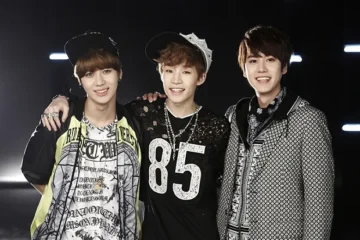
Historically, this stage is characterized by a mix of curiosity and skepticism. During the early 2010s, when groups like B.A.P and BTS were establishing their identities, new observers often viewed the genre as a novelty or a "gimmick." Comparative analysis was common; for instance, early BTS fans were frequently accused of supporting a group that shared aesthetic similarities with established acts like B.A.P. This initial friction is a documented psychological barrier where the observer attempts to categorize the unfamiliar within known frameworks. However, the sheer production quality often serves as a "hook," leading the observer to the next phase of the lifecycle.
Digital Archaeology: The Investigative Stage
Once the initial skepticism wanes, the consumer enters the investigative stage. This phase is characterized by a shift from passive observation to active research. The role of digital algorithms, particularly on platforms like YouTube and TikTok, cannot be overstated in this transition. A single search for a song like SHINee’s "Ring Ding Dong" triggers a cascade of recommendations, leading the user down a "rabbit hole" of variety show appearances, dance practice videos, and behind-the-scenes content.
During this stage, the consumer begins to recognize the technical proficiency of the idols. The "training system," a rigorous multi-year process unique to the Korean industry, ensures that performers possess a high level of competency in vocals, dance, and media relations. As the consumer realizes that the "gimmick" is backed by genuine talent and immense labor, their engagement deepens. They are no longer just listening to music; they are studying a cultural ecosystem.

The Rise of Parasocial Bonds: The Obsessive Stage
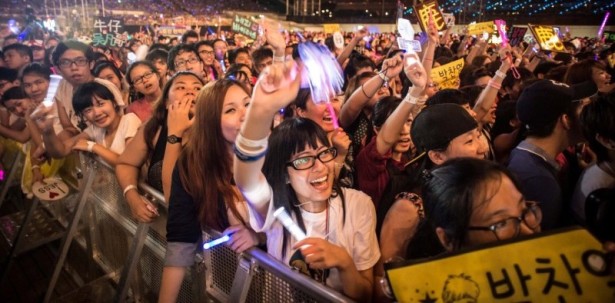
The most intensive phase of the fandom lifecycle is the obsessive stage, often referred to in digital spaces as "stanning." This is where the consumer’s relationship with the artist transitions from appreciation to a deep emotional and temporal investment. The industry facilitates this through the creation of "biases"—a fan’s favorite member of a group—and "bias wreckers," members who challenge that preference.
This stage has significant implications for time management and social behavior. Fans often prioritize "comeback" schedules—the period when a group releases new music—over personal commitments. Data from social media analytics firms indicate that K-pop fans are among the most active digital demographics, often coordinating "streaming parties" to boost a group’s standing on charts like Billboard or the South Korean Circle Chart (formerly Gaon). The emotional weight of this stage is often heavy; fans feel a personal responsibility for the success of their idols, a sentiment frequently reinforced by the idols themselves through direct-to-fan communication apps like Weverse or Bubble.
Psychological Friction: Denial and Acknowledgement
As the fandom experience consumes more personal resources—both financial and temporal—the individual often enters a stage of denial. External observers, such as family or friends, may express concern regarding the fan’s preoccupation with the lives of distant celebrities. In this phase, the fan may justify their behavior as a harmless hobby, even as they sacrifice sleep to watch live streams or spend significant sums on physical albums and "photo cards"—collectible items that have created a massive secondary market.

However, the "acknowledgement stage" eventually follows, typically triggered by burnout or real-world consequences, such as academic or professional setbacks. The fan begins to perceive the "bags under their eyes" and the stack of overdue responsibilities. This realization is often accompanied by a sense of disillusionment with the fandom’s toxicity or the industry’s demanding nature. At this juncture, many fans choose to enter a "semi-hiatus," a term frequently used on platforms like Tumblr and X (formerly Twitter) to signal a temporary withdrawal from active participation.
The Cycle of Recovery and Relapse: Rehabilitation and Re-engagement
Rehabilitation involves a conscious effort to return to a "pre-K-pop" lifestyle. This includes re-establishing a normal sleep schedule, diversifying music consumption, and engaging in social interactions that do not revolve around idol culture. For many, this is a successful period of recalibration.
Yet, the industry is designed to prevent permanent exits. The "relapse stage" is a common occurrence, often sparked by a major event such as a "Daesang" (Grand Prize) win at an awards show or a highly anticipated comeback. The fear of missing out (FOMO) is a powerful motivator. When a fan sees their "bias" group achieving a milestone or posting personal content on Instagram, the emotional bond is often reignited. This return is frequently more intense than the initial obsession, as the fan attempts to compensate for the "lost time" during their period of absence.

Long-term Trajectories: Harmony or Renouncement
The final phase of the fandom lifecycle generally follows one of two paths: the Balanced Stage or the Renouncement.
The Balanced Stage
In the balanced stage, the fan achieves a sustainable equilibrium. They continue to support the artist and enjoy the music but no longer allow it to dictate their personal well-being. This demographic is highly valuable to entertainment agencies, as they represent "legacy fans" who provide steady revenue through album sales and concert attendance without the volatility associated with younger, more impulsive fanbases.
The Renouncement
Conversely, some individuals undergo a total renouncement of the fandom. This can be the result of a natural aging process where the individual outgrows the "idol" marketing model. In other cases, it is a reaction to negative industry developments, such as scandals, group disbandments, or the departure of a favorite member. For these individuals, K-pop was a specific chapter in their lives that has reached its conclusion.

Broader Socio-Economic Impact and Implications
The lifecycle of a K-pop fan is a microcosm of modern consumer behavior in the age of "Soft Power." The South Korean government has long recognized the K-pop industry as a strategic asset for national branding. The intense loyalty cultivated through these stages of fandom translates into significant economic impact. In 2023, the export value of K-pop albums reached an all-time high of $290 million, according to the Korea Customs Service.
Beyond economics, the fandom lifecycle highlights the power of community. While the "obsessive" and "denial" stages carry risks of social isolation, the collective nature of fandom often provides individuals with a sense of belonging and a global network of peers. The "Balanced Stage" of fandom suggests that K-pop has the potential to remain a lifelong interest for many, similar to the enduring fanbases of Western rock or pop icons.
In conclusion, the journey of a K-pop fan is a sophisticated progression from confusion to commitment. While the intensity of the experience can lead to temporary imbalances, the ultimate trajectory often results in a more nuanced understanding of global culture and digital community. As the industry continues to evolve with the integration of AI idols and virtual metaverses, the stages of fandom will likely adapt, further cementing K-pop’s role as a primary driver of 21st-century entertainment.
Related News