
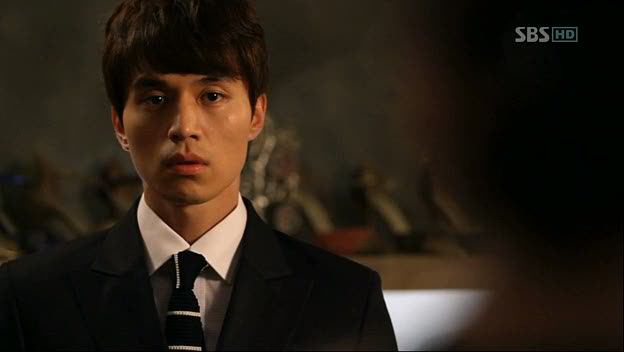
The South Korean economic landscape is defined by a unique and powerful institutional structure known as the chaebol, a term derived from the Korean words "chae" (wealth) and "beol" (faction or clan). These massive, family-controlled conglomerates have become synonymous with the nation’s rapid industrialization, yet they remain a source of intense domestic debate. While global audiences recognize them through the polished lens of K-dramas—where "chaebol heirs" are frequently portrayed as wealthy, often arrogant protagonists—the reality of these organizations is far more complex. They are the engines of the South Korean economy, responsible for a staggering percentage of the nation’s Gross Domestic Product (GDP), but they also represent a concentration of power that critics argue stifles competition and fosters political corruption.
The Anatomy of the Chaebol System
A chaebol is characterized by its diversified business interests and a centralized management structure controlled by a founding family. Unlike Western conglomerates, which often focus on a core competency, a single chaebol may operate in dozens of unrelated sectors. For instance, the Hyundai Group is not merely an automotive manufacturer; its subsidiaries span heavy industry, construction, department stores, and financial services. Similarly, the Samsung Group, globally famous for electronics, maintains a massive presence in life insurance, shipbuilding, and even theme park management through Samsung Everland.
This cross-industrial omnipresence allows chaebol to dominate the domestic market. According to economic data, the top five chaebol—Samsung, Hyundai, SK, LG, and Lotte—account for approximately 50% of the value of the South Korean stock market. Samsung alone has been estimated to contribute nearly 20% to the nation’s total GDP in certain fiscal years. This level of economic concentration is virtually unprecedented in other developed economies, creating a "too big to fail" dynamic that influences both domestic policy and international trade relations.
A Chronology of Economic Ascent: From Ruin to Global Dominance
The rise of the chaebol is inextricably linked to the "Miracle on the Han River," the period of rapid economic growth following the Korean War. The timeline of their development reveals a calculated partnership between private enterprise and the state.
1953–1961: Post-War Reconstruction
Following the 1953 armistice, South Korea was one of the poorest nations in the world. The economy was largely agrarian, and infrastructure was decimated. Early entrepreneurs began forming small companies, often utilizing former Japanese colonial assets or foreign aid to establish basic industries like textiles and food processing.
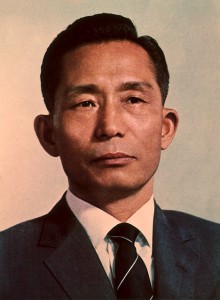
1961–1979: The Park Chung-hee Era
The trajectory of the chaebol changed permanently under the military dictatorship of Park Chung-hee. Park implemented a series of Five-Year Economic Development Plans that shifted the nation toward export-oriented industrialization. The government hand-selected specific firms to lead strategic industries, such as steel, electronics, and shipbuilding. In exchange for meeting strict export quotas, these firms received preferential low-interest loans, protection from foreign competition, and direct government subsidies. This "state-led capitalism" effectively birthed the modern chaebol system.
1980s–1990s: Global Expansion and Diversification
By the 1980s, the chaebol had grown large enough to compete on the global stage. Companies like Samsung and LG (then Lucky-Goldstar) began investing heavily in research and development, moving from low-tech manufacturing to high-end electronics. However, this growth was fueled by excessive borrowing and "circular shareholding," a practice where subsidiaries own stakes in one another to maintain family control with minimal actual capital.
1997: The Asian Financial Crisis
The vulnerabilities of the chaebol system were exposed during the 1997 Asian Financial Crisis. The high debt-to-equity ratios of many conglomerates led to high-profile collapses, most notably that of Daewoo, which was then the second-largest conglomerate in the country. The subsequent International Monetary Fund (IMF) bailout forced South Korea to implement rigorous corporate reforms, leading to the dissolution of several chaebol and the restructuring of others.
The Nexus of Power: Business and Political Relations
The relationship between the chaebol and the "Blue House" (the South Korean presidential office) is often described by the term jeong-gyeong-yuchak, or the collusive ties between politicians and businessmen. Because the government historically controlled the flow of credit, chaebol leaders were incentivized to maintain close ties with political elites to ensure their survival and expansion.

This proximity to power has resulted in numerous scandals. In the 1990s, the marriage between the son of the SK Group founder and the daughter of President Roh Tae-woo was widely viewed as a strategic alliance that facilitated SK’s entry into the lucrative telecommunications market. More recently, the impeachment of President Park Geun-hye in 2017 was triggered by a corruption scandal involving millions of dollars in "donations" from major chaebol, including Samsung, to foundations controlled by a presidential confidante.
Despite these scandals, the political influence of the chaebol remains significant. Former President Lee Myung-bak, who served from 2008 to 2013, was the former CEO of Hyundai Engineering and Construction, embodying the literal bridge between corporate leadership and state governance.
Supporting Data: The Weight of the Conglomerates
To understand the scale of the chaebol, one must look at the disparity between these giants and the rest of the South Korean economy. While Small and Medium Enterprises (SMEs) account for approximately 99% of all enterprises and 80% of employment in South Korea, they often operate as sub-contractors for the chaebol.
Data from the Korea Fair Trade Commission (KFTC) indicates that the "Big Four" (Samsung, Hyundai Motor, SK, and LG) often see combined net profits that exceed the profits of all other listed companies combined. This creates a "dual economy" where employees of chaebol enjoy high salaries, job security, and prestige, while those in the SME sector face lower wages and higher volatility. This economic divide is a primary driver of the social anxiety often depicted in South Korean media, where "getting into" a top-tier chaebol is seen as the only path to a stable middle-class life.
Official Responses and the Push for Reform
Over the last two decades, successive South Korean administrations have pledged "chaebol reform" or "economic democratization." The goal of these policies is typically to increase corporate transparency, end the practice of circular shareholding, and protect the rights of minority shareholders.

The KFTC has become more aggressive in fining conglomerates for unfair trade practices, such as "inter-work funneling," where a chaebol awards lucrative contracts to a subsidiary owned by the chairman’s children, effectively transferring wealth across generations without paying inheritance taxes.
However, reform is often met with resistance. Proponents of the chaebol system argue that these organizations are the only entities in South Korea with the capital and scale to compete with global giants like Apple or Toyota. They argue that breaking up the chaebol would weaken the nation’s international competitiveness and lead to economic stagnation.
Broader Impact and Cultural Implications
The cultural impact of the chaebol extends far beyond the boardroom. In K-dramas, the "chaebol heir" trope serves as a modern-day fairy tale prince. These characters—often depicted as living in architectural marvels and driving luxury vehicles—represent both the aspiration and the resentment of the general public. While viewers may enjoy the romanticized storylines, there is an underlying critique of a society where birthright often dictates one’s economic destiny.
In the academic sphere, observers like Pusan University Professor Robert Kelly have noted that while the chaebol were instrumental in the nation’s development, their current form may be anachronistic. Critics argue that the monopolistic nature of these groups prevents the rise of a "creative economy," as innovative startups struggle to compete with established giants that control distribution networks and supply chains.
Future Outlook: A Shifting Paradigm
As South Korea faces new challenges, including a rapidly aging population and slowing global growth, the role of the chaebol is again under scrutiny. The transition to the "Fourth Industrial Revolution"—focusing on AI, biotechnology, and green energy—requires a level of agility that massive, hierarchical conglomerates may lack.
There are signs of change. Younger generations of chaebol leaders, often educated abroad, are beginning to adopt more modern management styles and are showing a greater willingness to divest from non-core businesses. Furthermore, the rise of "K-Tech" giants like Kakao and Naver suggests that the traditional chaebol model is no longer the only way to achieve domestic dominance.
The story of the chaebol is, in many ways, the story of South Korea itself: a narrative of incredible resilience, rapid evolution, and the ongoing struggle to balance economic efficiency with social equity. While they remain the titans of the Korean peninsula, their future will depend on their ability to reform from within and coexist with a more diverse and competitive economic ecosystem. For now, they remain "larger than life," dominating both the stock market and the television screens of millions around the world.