
The phenomenon of the "sasaeng" fan represents one of the most persistent and damaging challenges within the South Korean entertainment industry, functioning as a dark mirror to the global success of K-pop. Derived from the Korean words "sa" (private) and "saeng" (life), the term refers to individuals who obsessively pursue idols, transcending the boundaries of traditional fandom to engage in behavior that constitutes stalking, harassment, and criminal trespass. While K-pop has long been celebrated for its high-energy performances and dedicated fanbases, the rise of sasaeng culture has introduced a systemic level of risk to the physical and mental well-being of artists. These individuals are not merely enthusiastic supporters; they are specialized stalkers who utilize sophisticated methods to track the 24-hour movements of celebrities, often with the complicity of a grey-market industry that profits from the sale of private information.
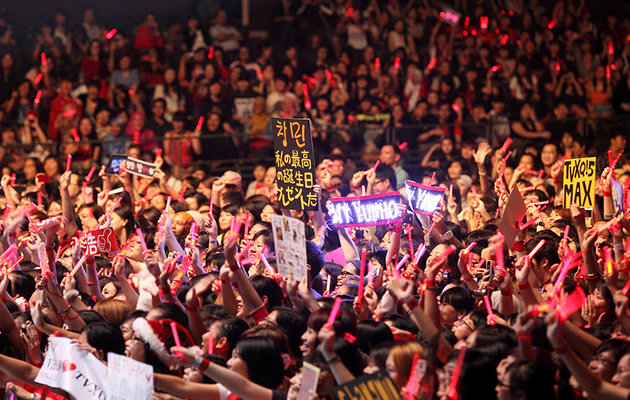
The Infrastructure of Obsession: Understanding Sasaeng Tactics
The operations of sasaeng fans are characterized by a level of dedication and organization that rivals professional surveillance. Central to this subculture is the "sasaeng taxi"—chartered vehicles whose drivers specialize in high-speed chases, following idol vans from recording studios to private residences. These drivers often charge exorbitant rates, capitalizing on the desperation of fans to remain in constant proximity to their targets. Beyond physical stalking, the invasion of privacy extends into the digital and domestic spheres. It is common for sasaengs to acquire "DB" (databases) containing the private phone numbers, social security numbers, and flight details of artists.
In extreme cases, the breach of privacy moves from the public square into the home. High-profile groups, most notably TVXQ and more recently EXO, have reported incidents of fans breaking into their dormitories. These intruders have been known to steal personal items, such as clothing and undergarments, or plant hidden cameras and recording devices. The psychological toll of knowing that one’s private sanctuary has been compromised is immense, yet for many years, the industry’s response was muted by the fear of alienating the broader consumer base.

The EXO Crisis: A Case Study in Fandom Volatility
The escalation of sasaeng activity reached a critical flashpoint with the debut and subsequent meteoric rise of the SM Entertainment group EXO. As a "rookie" group that achieved massive domestic and international popularity almost overnight, EXO became a primary target for extreme fan behavior. Reports emerged of fans recording member Tao while he was singing in a hotel shower, and of mobs creating "elephant stampede" conditions at international airports. These incidents often resulted in physical injury; members were frequently shoved, tripped, or even touched inappropriately as they attempted to navigate transit hubs.
In an interview with Sports Seoul, the members of EXO expressed a profound sense of distress regarding these intrusions. They described the "sasaeng business" as a burdensome weight that hindered their ability to perform their duties and live normal lives. The group’s plea for fans to stop the intrusive behavior highlighted a growing disconnect between the "idol" image projected by management and the human reality of the young men behind the brand. The EXO case demonstrated that the more a group is marketed through "hype" and elaborate backstories—such as EXO’s initial "supernatural" concept—the more it can aggravate the obsessive tendencies of certain fans who struggle to distinguish between the fictional persona and the private individual.

Historical Context: From Shinhwa to the Digital Age
The roots of sasaeng culture can be traced back to the first generation of K-pop in the late 1990s. Shinhwa, one of the industry’s longest-running boy bands, was among the first to publicly address the issue. Member Kim Dong-wan famously stated during the group’s early years that "Shinhwa isn’t responsible for your lives," a bold declaration that urged fans to prioritize their own education and well-being over obsessive pursuit. While this resulted in a temporary loss of fans, it established a precedent for setting boundaries that many modern idols are now attempting to reclaim.
As the industry transitioned into the second generation, TVXQ became the epicenter of sasaeng activity. The group faced unprecedented levels of harassment, including fans who would wait outside their dorms for days or hire hackers to monitor their private communications. The shift from physical stalking to digital surveillance has only accelerated with the advent of social media. Today, the "deletion of the internet" is an impossibility for idols whose careers depend on connectivity, leaving them vulnerable to a constant trail of digital breadcrumbs that sasaengs use to pinpoint their locations in real-time.

The Role of Management and Marketing Strategies
A significant portion of the sasaeng problem is arguably rooted in the structural nature of the K-pop industry itself. Large entertainment conglomerates, such as SM Entertainment, YG Entertainment, and JYP Entertainment, utilize marketing strategies that emphasize "parasocial relationships." By encouraging fans to feel a deep, personal connection with idols through "shipping" (pairing members together), fanservice, and constant content updates, companies inadvertently create an environment where the boundary between the artist and the fan becomes blurred.
Furthermore, the pressure on idols to remain "pushovers"—to smile and maintain a polite demeanor even when being harassed—only emboldens sasaeng behavior. When an artist is conditioned to treat every interaction as a PR opportunity, they are stripped of the agency required to tell a stalker to back away. Industry analysts suggest that a shift in targeting might be necessary; groups that cater to a slightly older, more mature demographic (often referred to as "noonas" or "hyungs") tend to experience fewer instances of extreme volatility compared to those targeting younger, more impressionable teenage audiences.

Legal Recourse and the Path Toward Protection
For decades, the legal system in South Korea was ill-equipped to handle the specific nuances of sasaeng harassment. Stalking was often treated as a minor misdemeanor, resulting in small fines that did little to deter repeat offenders. however, the narrative is beginning to shift. Agencies are increasingly "lawyering up," moving away from public apologies and toward criminal prosecution. Taking photographs of sasaengs to document their harassment and involving the police has become a more common strategy to discourage those who believe they can operate with impunity.
There is also a growing movement within the "sane" fan community to self-regulate. Global fanbases are increasingly calling out sasaeng behavior on social media, blacklisting individuals who attend private schedules, and working with agencies to report leaked information. This internal policing is crucial, as it devalues the "social capital" that sasaengs seek to gain within the fandom by possessing exclusive, albeit illegally obtained, information.

Implications for the Future of K-pop
The persistence of sasaeng culture poses a long-term threat to the sustainability of the K-pop model. The mental health toll on artists—ranging from anxiety and depression to sleep deprivation and paranoia—is a hidden cost of the industry’s global expansion. If the industry is to continue its upward trajectory, a fundamental reevaluation of the relationship between the idol, the agency, and the consumer is required.
The "guide" for minimizing sasaeng interference involves a multi-pronged approach:

- Corporate Responsibility: Agencies must prioritize the safety of their artists over short-term PR gains, providing robust security and legal support.
- Boundary Setting: Idols should be empowered to speak out against harassment without fear of professional retaliation, following the example set by veterans like Shinhwa.
- Technological Security: Enhanced digital footprints and cybersecurity measures are necessary to protect private data in an era of total connectivity.
- Educational Outreach: Fandoms must be educated on the distinction between support and stalking, reinforcing the idea that true fans respect the privacy of the people they admire.
In conclusion, while sasaengs remain an "unfortunate baggage" of the K-pop industry, their presence is not an inevitability that must be accepted. Through a combination of stricter legal enforcement, mature marketing strategies, and a culture of mutual respect, the industry can move toward a future where the "private life" of an idol is no longer a commodity for sale. As the wise Shim Changmin of TVXQ once suggested to obsessive followers, the ultimate solution lies in fans finding fulfillment in their own lives rather than attempting to live vicariously through the stolen moments of another’s. Only then can K-pop truly be enjoyed as the fun, vibrant genre it was intended to be.