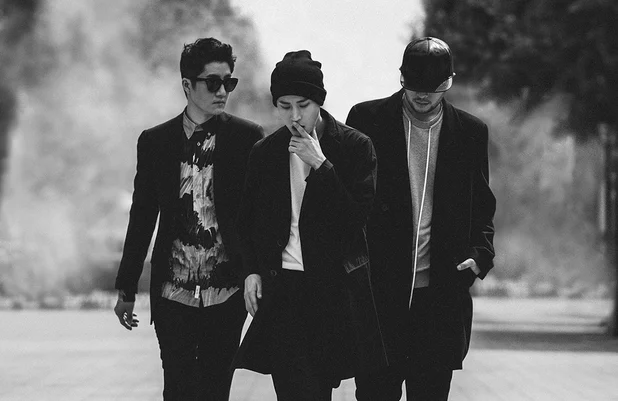
The global expansion of the South Korean music industry, commonly referred to as the Hallyu wave, has brought Korean pop music (K-pop) into contact with a diverse array of international audiences. As the genre continues to dominate charts in Western markets, the relationship between K-pop and Black culture—the foundational source of much of its musicality and aesthetic—has come under intense scrutiny. In a comprehensive roundtable discussion involving cultural commentators Camiele, Cjontai, and Taylore, the complexities of being a Black fan in the K-pop space were explored, highlighting a recurring cycle of appreciation, appropriation, and the ongoing struggle for systemic respect within the industry.
The Architectural Influence of Black Music on K-pop
The Korean music industry’s debt to Black artistry is not merely incidental; it is architectural. Since the early 1990s, when groups like Seo Taiji and Boys began incorporating hip-hop and New Jack Swing into the Korean mainstream, the genre has leaned heavily on R&B, soul, jazz, and rap. In the contemporary era, this influence is visible in the creative output of major idols.
For many fans, there are moments of genuine appreciation that bridge the cultural gap. Members of the group BTS, specifically leader Rap Monster (now known as RM), have frequently utilized social media to recommend Black artists such as D’Angelo, Prince, and India Arie. This type of engagement is viewed by commentators as a form of "true appreciation," as it encourages a younger, global fanbase to explore the roots of the music they consume. Similarly, the influence of Michael Jackson remains a cornerstone of idol performance, with artists like SHINee’s Taemin and Teen Top’s Niel frequently paying homage to the "King of Pop" through choreography and visual aesthetics.

However, the line between homage and exploitation remains thin. While the industry thrives on the sonic qualities of Black music, the participants in the roundtable noted that the respect for the music does not always extend to the people who created the culture.
Defining the Boundaries of Cultural Appropriation
A central theme of the discussion was the distinction between cultural appreciation and appropriation. In the context of K-pop, appropriation often manifests as the use of Black culture as a "costume" or a "concept" to project an image of "toughness" or "authenticity."

The 2015 release of 4Minute’s "Crazy" and the viral success of Keith Ape’s "It G Ma" serve as pivotal case studies. In these instances, the use of specific hairstyles, linguistic markers, and stylistic tropes associated with Black hip-hop culture were perceived by many as a gimmick. Commentators argued that when a "hip-hop concept" is adopted for a single promotional cycle and then discarded for a "pure pop" image, it signals that the culture is being used as a disposable tool for trend-seeking rather than a legitimate artistic expression.
Camiele emphasized that the issue is compounded by a lack of historical research. In an era where Korean labels are aggressively pursuing success in the United States, the refusal to acknowledge the historical significance of the aesthetics they imitate is seen as a sign of systematic isolationism. "If you deign to use hip-hop as your vehicle, you need to have a passing knowledge of what hip-hop actually is," Camiele noted, suggesting that modern idols should study not only American legends but also Korean pioneers like Tiger JK and Tasha (Yoon Mi-rae), who have historically maintained a more authentic relationship with the genre.

The Confederate Flag and the Kanye West Defense
One of the more contentious points of friction in the K-pop fandom involves the use of offensive symbols, specifically the Confederate flag, in idol fashion. When these incidents occur, a common defense among fans is to cite Black American artists who have used the imagery, most notably Kanye West during his "Yeezus" era.
The roundtable participants argued that this defense is flawed. Cjontai pointed out that Kanye West is not a "sole representative" of the Black community and that his personal use of a symbol does not negate its history of white supremacy and racial terror. The "Kanye did it" argument is viewed as a way for non-Black fans to shut down legitimate criticism and bypass the discomfort of addressing racism within the industry.
While the roundtable acknowledged that U.S. history is not a core subject in South Korean education, they argued that globalized industries have a responsibility to vet their imagery. Just as the Japanese Imperial "Rising Sun" flag causes deep pain in South Korea due to historical colonial trauma, the Confederate flag carries a weight of systemic oppression that cannot be dismissed as mere "fashion."
Blackface and the Persistence of Racial Stereotyping
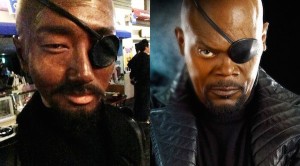
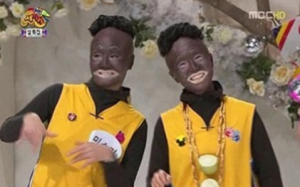
The history of K-pop is unfortunately punctuated by instances of blackface—a practice rooted in 19th-century minstrel shows designed to mock and dehumanize Black people. From Super Junior’s Yesung to various variety show sketches, the use of dark makeup and exaggerated features has appeared multiple times over the decades.

The roundtable participants expressed frustration with the common excuse that Korean artists "don’t know any better." In a digitally connected world, the recurring nature of these incidents suggests a failure of the labels to implement basic cultural sensitivity training. The "minstrel show" comparison is particularly apt, as it highlights a dynamic where Black culture is valued for its entertainment factor while Black people are simultaneously caricatured.
The animosity is not limited to visual portrayals. Rappers like San E have faced criticism for using racial slurs or expressing resentment toward Black rappers in their lyrics. This creates a "tension of authenticity," where some Korean artists feel the need to prove superiority over the very culture they are emulating, often leading to defensive and problematic lyrical content.

The Marginalized Experience in Fandom Spaces
Beyond the actions of the idols themselves, the roundtable touched upon the experience of Black fans within the broader community. In spaces like fanfiction, digital art, and social media discourse, Black fans often feel invisible.
Taylore highlighted a specific example in "reader-insert" fanfiction, where the physical descriptions of the protagonist—such as a love interest running their hands through "long, silky hair"—often exclude Black women. These small but consistent exclusions reinforce the idea that Black fans are not the intended audience for the "lovey-dovey illusion" that drives K-pop’s commercial success.
Furthermore, Black fans often face "passive-aggressive" pushback from the wider fandom when they speak out against problematic behavior. They are frequently accused of "fake outrage" or told to "let it slide," messages that essentially signal that their feelings are secondary to the comfort of the non-marginalized majority.
Industry Responses and the Path Toward Respect
Despite these challenges, there have been instances of positive engagement. The roundtable noted that some agencies, such as Seven Seasons (which managed Block B at the time), have responded constructively when international fans reached out to educate them on racial slurs and cultural insensitivity. This suggests that while ignorance is prevalent, it is not always insurmountable.

The consensus among the participants was that the burden of education should not fall solely on the fans. For K-pop to be a truly global and respected genre, the industry must move toward a model of "Respect over Appropriation." This involves:
- Historical Context: Labels and artists conducting research into the origins of the genres they adopt.
- Representation: Acknowledging the diversity of the global fanbase in marketing and fan-produced content.
- Accountability: Moving away from dismissive excuses and toward genuine apologies and systemic changes when cultural boundaries are crossed.
Implications for the Future of Hallyu
The roundtable concluded with a reflection on the irony of the situation. Asian entertainers have historically been underrepresented and stereotyped in Western media, a fact that many Black K-pop fans are acutely aware of and sympathetic toward. The participants expressed a desire for a "kaleidoscope of colors" in the music industry, where voices from all cultures are heard and respected.

The loyalty of Black K-pop fans, despite the recurring "belittlement" of their culture, stems from a genuine love for the music and the talent of the artists. However, that loyalty is not a license for the industry to continue practices that alienate a significant portion of its audience. As K-pop continues its unprecedented rise, the demand for cultural literacy will only grow louder. The industry’s ability to transition from a "costume-based" approach to hip-hop toward a relationship based on mutual respect will likely determine its long-term sustainability in the global market.