The unveiling of North Korea’s first domestic smartphone, the Arirang, marks a significant intersection of modern technology and ancient cultural heritage within the context of the ongoing military and political tensions on the Korean peninsula. While the device itself—a touch-screen handset reportedly manufactured within the Democratic People’s Republic of Korea (DPRK)—represents a step forward in the North’s pursuit of technological self-reliance, its name choice reveals a much deeper narrative. By naming the device after the traditional folk song "Arirang," the North Korean leadership has tapped into a symbol of national identity that predates the division of the country and continues to resonate across the borders of South Korea and Japan.
The introduction of the Arirang smartphone occurred during a period of heightened regional sensitivity. While the North and South remain technically at war following the 1953 armistice, the rivalry has long since expanded beyond the demilitarized zone (DMZ) into the realms of economic competition, information technology, and cultural influence. The Arirang phone, while functionally a standard mobile device, serves as a propaganda tool intended to demonstrate the DPRK’s industrial capabilities and its commitment to a uniquely Korean form of modernity.
Technological Context and the Arirang Handset
The Arirang smartphone, specifically the model AS1201, was first introduced to the public through state media reports showing leader Kim Jong-un visiting a processing factory. During the visit, official reports emphasized the "high pixels" of the camera and the "multifunctionality" of the device. However, international technology analysts have noted that the device bears a striking resemblance to the Uniscope U70, a Chinese-manufactured smartphone. This has led to widespread speculation that the Arirang is not an original North Korean design but rather a rebranded Chinese product assembled or packaged in Pyongyang.
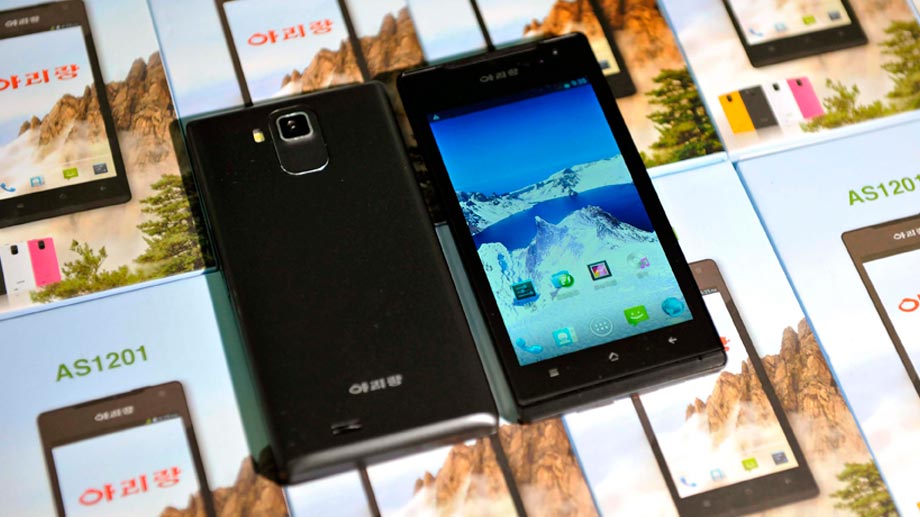
Despite these skepticism-laden reports, the domestic significance of the phone cannot be understated. In a country where internet access is strictly controlled and limited to a domestic intranet (Kwangmyong), the smartphone represents a controlled gateway to digital consumption. As of 2013, North Korea’s mobile network, Koryolink—a joint venture with the Egyptian company Orascom—had surpassed two million subscribers. The Arirang phone is positioned as the flagship device for this growing market, intended to replace imported Chinese or smuggled South Korean handsets with a "locally produced" alternative that carries a name of immense patriotic weight.
The Chronology of Arirang: From Folk Song to National Symbol
To understand the weight of the name "Arirang," one must look at the historical trajectory of the song itself. The origins of "Arirang" are shrouded in oral tradition, with scholars providing a wide range of estimates for its creation, spanning from the Three Kingdoms period (c. 700 CE) to the late Joseon Dynasty (c. 1900 CE).
- Pre-20th Century: "Arirang" existed as a regional folk song with numerous variations, including the "Jeongseon Arirang," "Jindo Arirang," and "Milyang Arirang." The lyrics generally describe a traveler or a lover crossing the "Arirang Pass," often interpreted as a metaphor for overcoming hardship or the sorrow of separation.
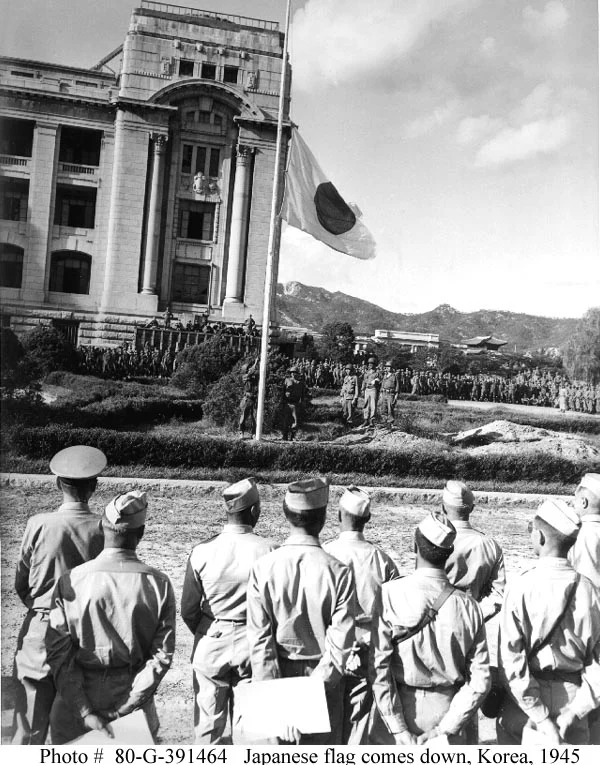
- 1910–1945: During the Japanese colonial occupation of the Korean peninsula, the song underwent a radical transformation. It became a unifying anthem for the Korean independence movement. Because the lyrics were often seen as nonsensical or harmlessly romantic by Japanese censors, Koreans could sing it as a coded expression of national longing and resistance against imperial rule.
- 1945–1953: Following the liberation of Korea and the subsequent Korean War, the peninsula was divided into the North (DPRK) and the South (ROK). Both regimes claimed "Arirang" as their own, using it to bolster their respective claims to being the legitimate successor of the Korean spirit.
- 2012: South Korea successfully petitioned UNESCO to include "Arirang" on the Representative List of the Intangible Cultural Heritage of Humanity. This move was seen as a diplomatic victory in the "culture wars" of East Asia, asserting the song’s definitive Korean origin.
- 2013: North Korea launches the Arirang smartphone, asserting its own claim to the cultural brand.
Musical and Socio-Cultural Significance
Musically, "Arirang" is a relatively simple piece, typically utilizing a pentatonic scale that makes it easy to memorize and perform. Its simplicity is its strength; it allows for endless variations and adaptations across different genres, from traditional pansori to modern pop.
The song is deeply tied to the Korean concept of Han—a unique form of collective sorrow, resentment, and longing resulting from a history of foreign invasions and internal strife. In South Korea, while the official national anthem is "Aegukga" (The Song of Love for Country), "Arirang" is frequently referred to as the unofficial anthem. It is played at international sporting events when both North and South Korea compete as a unified team, serving as the only melody capable of representing both sides of the 38th parallel.

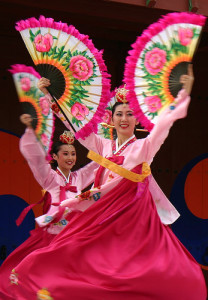
In North Korea, the song is the namesake of the "Arirang Games," also known as the Mass Games. This massive gymnastics and artistic performance involves over 100,000 participants and is one of the largest synchronized displays in the world. By naming their first smartphone "Arirang," the North Korean government is attempting to bridge the gap between traditional heritage and the digital future, suggesting that the spirit of the Korean people is now being channeled through socialist technological advancement.
Regional Implications and the Role of Japan
The cultural narrative of "Arirang" is further complicated by the historical role of Japan. In a fascinating instance of cultural appropriation, "Arirang" became a major pop hit in mainland Japan during the early 1930s. Japanese audiences of the era were drawn to what they perceived as the "melancholy of the peninsula." To the Japanese public, the song represented a sense of nostalgia for a simpler, more pastoral East Asian identity that was being lost to rapid industrialization.
This historical irony persists today. Despite the deep-seated political animosity stemming from the colonial era and modern territorial disputes—such as the conflict over the Liancourt Rocks (known as Dokdo in Korea and Takeshima in Japan)—cultural exchange remains a powerful, if unofficial, force.
The "Hallyu" or Korean Wave has seen South Korean dramas and K-pop achieve massive success in Japan, often dominating charts despite diplomatic freezes. Conversely, reports from defectors and NGOs suggest that South Korean media is increasingly consumed in North Korea through illicit means. The North’s development of its own smartphone and its own state-sanctioned pop groups—such as the Moranbong Band—is widely viewed by analysts as an attempt to compete with the infectious influence of Southern pop culture.
Analysis of Economic and Diplomatic Impacts
The launch of the Arirang smartphone is more than a product release; it is a tactical move in a broader geopolitical strategy. For North Korea, the device serves several purposes:
- Import Substitution: By providing a domestic alternative, the state can reduce the influx of foreign hardware that might be harder to monitor or control.
- Surveillance Integration: Domestic smartphones allow the government to pre-install software for monitoring communications and restricting access to "subversive" information.
- Nationalist Legitimacy: Using the "Arirang" name reinforces the Kim Jong-un regime’s role as the protector of Korean culture against foreign "imperialist" influences, even as the hardware likely relies on Chinese supply chains.
From a regional perspective, the Arirang phone highlights the stark contrast between the two Koreas. While the North celebrates the assembly of a basic smartphone, South Korea’s Samsung and LG are global leaders in the electronics market, competing directly with giants like Apple and Sony. This economic disparity remains a primary driver of the tension on the peninsula, as the North seeks to project an image of parity that the data does not support.
Conclusion
The Arirang smartphone stands as a testament to the enduring power of cultural symbols in the face of political division. While the device may be a modest technological achievement by global standards, its name carries the weight of a thousand years of history, resistance, and shared identity.
The song "Arirang" continues to act as a cultural "national archive," as described by historian E. Taylor Atkins, storing the historical experiences and emotions of the Korean people. Whether it is being sung in a protest in Seoul, performed in a mass spectacle in Pyongyang, or used as a brand for a new piece of technology, "Arirang" remains the most potent common denominator in a region defined by its differences. The smartphone’s debut reminds the international community that beneath the layers of military posturing and economic competition, there remains a shared aesthetic and a common heritage that neither ideology nor borders have been able to fully erase. As technology continues to evolve, the ways in which these ancient symbols are repurposed will likely remain a central theme in the ongoing narrative of the Korean peninsula.