
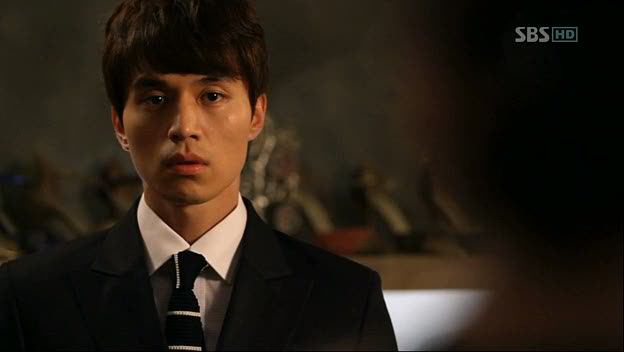
In the landscape of South Korean popular culture, the figure of the chaebol heir is an inescapable archetype. Often portrayed as a strikingly handsome, impeccably dressed, and occasionally arrogant young man, this character navigates a world of high-stakes boardroom meetings and luxury vehicles. In dramas such as Secret Garden, What Happened in Bali, and The Heirs, the chaebol is romanticized as a modern-day prince. However, beyond the glossy veneer of television screens, the reality of the chaebol—the massive, family-controlled conglomerates that dominate South Korea’s economy—is far more complex. These entities are not merely wealthy families; they are the architects of South Korea’s rapid industrialization and the subjects of intense national debate regarding economic equity, political corruption, and the future of the nation’s market structure.
Defining the Chaebol: A Unique Corporate Structure
The term "chaebol" (재벌) translates literally to "wealthy clan" or "financial clique." Unlike Western conglomerates, which are typically owned by diverse groups of shareholders and managed by professional executives, a chaebol is characterized by family ownership and management. A single founding family usually maintains control through a complex web of cross-shareholdings, allowing them to exert authority over dozens of subsidiary companies even if their direct equity stake is relatively small.
These conglomerates are often diversified to an extent rarely seen in the West. For instance, Samsung is globally recognized for its smartphones and semiconductors, but its reach extends into life insurance, heavy industries, construction, and even theme parks. Similarly, Hyundai is known for automobiles, yet it operates department stores, logistics firms, and construction wings. Other major players include LG, SK Group, and Lotte. This omnipresence means that a South Korean citizen can live in a Samsung-built apartment, drive a Hyundai car, use an LG refrigerator, shop at a Lotte supermarket, and use an SK telecommunications network, effectively spending their entire life within the ecosystem of a few powerful families.
A Chronology of Economic Ascent: The Miracle on the Han River
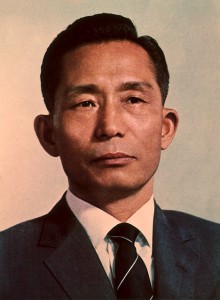
To understand the current dominance of the chaebol, one must look back to the aftermath of the Korean War (1950–1953). The conflict left the Korean Peninsula in ruins, with the South lacking industrial infrastructure and capital. The evolution of the chaebol is intrinsically linked to the political history of the nation, specifically the era of General Park Chung-hee.
The 1960s: The Birth of Export-Oriented Growth
Following his rise to power in 1961, President Park Chung-hee prioritized economic self-sufficiency and rapid industrialization. His administration implemented a series of Five-Year Economic Development Plans. Recognizing that the country lacked the resources for a broad-based market economy, the government hand-picked specific companies to lead the charge into vital industries such as steel, shipbuilding, and electronics. These companies were granted preferential loans, tax breaks, and protection from foreign competition in exchange for meeting strict export quotas.
The 1970s and 1980s: Diversification and Global Expansion
During this period, the government pushed the chaebol to expand into heavy and chemical industries. This era saw the rise of Hyundai’s shipbuilding prowess and Samsung’s entry into the semiconductor market. By the 1980s, these firms had grown so large that they began to outpace the government’s ability to control them. They became "too big to fail," a reality that became painfully evident during subsequent economic crises.
The 1997 Asian Financial Crisis: A Turning Point
The rapid expansion of the chaebol was fueled by massive debt. When the Asian Financial Crisis struck in 1997, many conglomerates collapsed under the weight of their liabilities. The most notable casualty was Daewoo, then the second-largest conglomerate in the country, which went bankrupt with debts exceeding $70 billion. In the wake of the crisis, the International Monetary Fund (IMF) mandated structural reforms, forcing the surviving chaebols to improve transparency, reduce debt-to-equity ratios, and focus on core competencies.

Supporting Data: The Scale of Economic Concentration
The sheer scale of chaebol influence on the South Korean economy is difficult to overstate. According to data from the Korea Fair Trade Commission and various economic research institutes, the top 10 chaebols often account for approximately 80% of South Korea’s Gross Domestic Product (GDP).
Samsung Group alone, the largest of the conglomerates, has a revenue that has historically hovered around 15% to 20% of the national GDP. While these figures represent revenue rather than value-added GDP, they highlight the disproportionate weight these firms carry. However, a significant point of contention is the "employment-to-GDP" gap. While the top 30 chaebols generate the vast majority of the nation’s wealth, they account for only a small fraction of total employment—often estimated at less than 10%. The majority of South Koreans are employed by Small and Medium Enterprises (SMEs), which often struggle to survive in the shadow of the conglomerates.
The Iron Triangle: Politics and the Chaebol
The relationship between the "Blue House" (the South Korean presidential residence) and the chaebol has historically been described as a "symbiotic" or "incestuous" alliance. This connection has led to numerous high-profile scandals involving bribery, influence-peddling, and political favors.
A prominent example is the 2016-2017 scandal that led to the impeachment of President Park Geun-hye. The investigation revealed that major chaebols, including Samsung, had contributed millions of dollars to foundations controlled by a confidante of the President in exchange for government support of a controversial merger. Lee Jae-yong, the vice chairman of Samsung Electronics, was subsequently convicted of bribery, though he was later pardoned—a recurring theme in South Korean judicial history where chaebol leaders receive light sentences or pardons due to their perceived importance to the national economy.

Former President Lee Myung-bak, who served from 2008 to 2013, was himself a former CEO of Hyundai Engineering and Construction. His administration was frequently criticized for "business-friendly" policies that critics argued favored conglomerates at the expense of the working class and smaller businesses.
Broader Impact: The "Gapjil" Culture and Social Inequality
In recent years, public sentiment toward the chaebol has shifted from admiration for their role in the "Miracle on the Han River" to resentment over perceived entitlement and abuse of power. This has given rise to the term gapjil, which refers to the arrogant and abusive behavior of people in power toward their subordinates.
The 2014 "Nut Rage" incident involving the daughter of the Korean Air chairman became a global symbol of this phenomenon. Cho Hyun-ah delayed a flight because she was dissatisfied with the way macadamia nuts were served in first class. Such incidents have fueled a national conversation about the "silver spoon" (geumsujeo) culture, where the children of the elite inherit vast wealth and power regardless of merit, while the average citizen faces a hyper-competitive job market and rising costs of living.
Economic Analysis: The "Korea Discount"
Financial analysts often point to the "Korea Discount" as a direct consequence of the chaebol structure. This term refers to the fact that South Korean stocks typically trade at lower valuations than their global peers. The primary reason cited by investors is poor corporate governance. The complex cross-shareholding structures and the tendency of founding families to make decisions that benefit the family rather than minority shareholders create a perceived risk that depresses stock prices.
Furthermore, the chaebol dominance is often blamed for stifling innovation in the startup sector. Smaller companies frequently find it difficult to compete for talent or capital, as the chaebols possess the resources to either crush competitors or acquire them before they can become a threat. This has led to calls for "economic democratization," a political movement aimed at curbing the power of conglomerates and leveling the playing field for SMEs.
Future Implications and the Path to Reform
As South Korea navigates the 21st century, the role of the chaebol remains a central political issue. There is a growing consensus that the export-led, conglomerate-heavy model that worked in the 1970s may not be sustainable in a digital, innovation-driven global economy.
Successive administrations have promised chaebol reform with varying degrees of success. Measures have been introduced to limit cross-shareholding, increase the power of independent directors, and toughen penalties for corporate malpractice. However, the fear remains that aggressive dismantling of the chaebol structure could destabilize the economy, especially during periods of global uncertainty.
In conclusion, while K-dramas may continue to cast the chaebol heir as a romantic lead, the reality for the South Korean people is a complex mixture of pride and frustration. The chaebol are undeniably responsible for the nation’s transition from an impoverished agrarian society to a global technological powerhouse. Yet, the shadows they cast over the political landscape and the domestic economy are long. The challenge for South Korea’s future lies in balancing the economic might of these giants with the need for a more equitable, transparent, and competitive market that allows the next generation of innovators—regardless of their family name—to flourish.