A Comprehensive Guide to Navigating the Complex Hierarchy and Cultural Impact of K-pop Fandoms in the Global Music Industry
Article Editorial Team
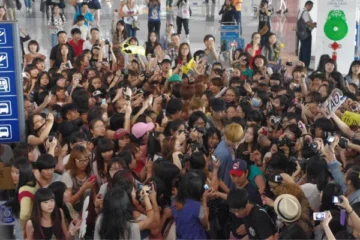
The global ascent of Korean popular music, commonly known as K-pop, has transformed from a regional cultural export into a multi-billion-dollar international phenomenon. Central to this meteoric rise is a highly organized, digitally savvy, and intensely loyal consumer base known as the "fandom." Unlike traditional Western music audiences, K-pop fandoms operate within a sophisticated structural hierarchy that dictates everything from social interaction to economic contribution. Understanding the internal politics, terminology, and organizational methods of these groups is essential for any observer looking to grasp the current state of the global music industry. As fans transition from passive listeners to active participants in a group’s success, they navigate a world defined by "biases," "fan cafes," and intricate digital labor, creating a community that is as influential as it is complex.
The Historical Evolution of Fan Culture: A Chronology
To understand the modern K-pop fandom, one must look back at the developmental stages of the South Korean music industry. The roots of contemporary fan culture were planted in the early 1990s and have evolved through distinct "generations" of idol groups.
1992–1996: The Genesis
The debut of Seo Taiji and Boys in 1992 signaled the birth of modern K-pop. However, it was the formation of H.O.T. by SM Entertainment in 1996 that established the blueprint for fandom organization. Fans began to wear specific colors (white for H.O.T.) and gather in physical spaces to support their idols, marking the beginning of the "First Generation."
1997–2002: Rivalries and Standardization
During this period, the rivalry between H.O.T. and SechsKies fans became legendary, often resulting in physical confrontations. This era standardized the use of fan colors and organized cheering, which would later evolve into the modern "fan chant."
2003–2011: The Digital Shift and Global Outreach
With the debut of TVXQ, Super Junior, and Big Bang, the "Second Generation" saw the transition of fandom activity from the streets to the internet. The "Fan Cafe"—hosted on portals like Daum and Naver—became the central hub for news. This era also saw the first significant wave of international fans, primarily in Asia and parts of the West, who relied on community-led translation efforts.
2012–Present: Global Dominance and Platform Integration
The "Third and Fourth Generations," led by groups like BTS, EXO, Blackpink, and Twice, utilized social media to bypass traditional gatekeepers. Fandoms became global entities, utilizing platforms like Twitter (now X), TikTok, and dedicated apps like Weverse and Bubble to communicate directly with idols.
Structural Hierarchies: Biases and Sub-Fandoms
A unique aspect of the K-pop experience is the granular level of identification within the community. While a person may be a fan of the genre as a whole, their primary allegiance usually lies with a specific group. Within that group, further divisions exist based on the concept of the "bias."

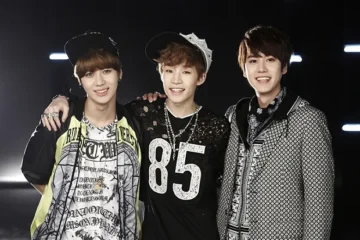
A "bias" refers to an individual’s favorite member within a group. This choice is often based on the member’s specific role—such as main vocal, lead dancer, or rapper—or their "persona" curated through variety shows and social media. When a fan focuses exclusively on one member to the detriment or exclusion of others, they are referred to as a "solo stan." In extreme cases, this can lead to internal friction known as "akgae" behavior, where fans of one member may disparage other members of the same group to elevate their favorite.
Conversely, "multi-fans" are individuals who support multiple groups across different entertainment agencies. While common among international audiences, some traditional domestic fan structures in South Korea historically emphasized "monogamous" fandom—total devotion to a single group. As the industry has globalized, these rigid expectations have softened, though the "all-fandom" vs. "solo-stan" debate remains a frequent point of contention in online discourse.
The Official Fan Cafe and Membership Ecosystem
For many years, the pinnacle of fan involvement was the "Official Fan Cafe." These are digital communities hosted on Korean web portals where entertainment agencies post exclusive content, schedule updates, and official notices.
The barrier to entry for these cafes is often high, particularly for non-Korean speakers. Membership typically involves a "level-up" process where fans must answer complex questions about the group’s history, provide proof of music purchases, and adhere to strict formatting rules. Successful "leveling up" grants access to "Official Fan Club" status, which provides tangible benefits:

- Priority Ticketing: Members get first access to concert tickets, which often sell out in seconds.
- Music Show Attendance: Entry into live recordings of programs like M Countdown or Inkigayo is usually reserved for official club members who bring specific "support kits" (albums, lightsticks, and digital download receipts).
- Exclusive Merchandise: Agencies frequently release "Membership Kits" containing photo books, membership cards, and limited-edition goods.
In recent years, the industry has shifted toward proprietary apps like HYBE’s Weverse and SM Entertainment’s Lysn. These platforms are designed to be more accessible to international fans, offering built-in translation tools and tiered subscription models, further monetizing the fan-artist relationship.
International Fan Engagement and Digital Labor
For fans residing outside of South Korea, the experience is largely defined by "digital labor." Because much of the content produced by idols is in Korean, the international community relies on a network of volunteer translators, video editors, and social media managers.
International fan sites function as unofficial agencies. They organize "streaming parties" to boost a group’s rankings on global charts like Billboard and Spotify. They also facilitate large-scale projects, such as "Rice Wreaths"—donations of rice bags to charity in the name of an idol—or purchasing billboard advertisements in Times Square to celebrate a member’s birthday.
This level of organization demonstrates a shift in the consumer’s role. Fans are no longer just buying a product; they are active participants in the marketing and distribution of the artist. According to data from the International Federation of the Phonographic Industry (IFPI), the "super-fan" model prevalent in K-pop is a primary driver of the physical album market’s resilience, as fans often purchase multiple copies of the same album to support chart positions or collect randomized "photo cards."

The Sociopolitical Impact and "Fan Wars"
The intensity of K-pop fandoms often spills over into "fan wars"—protracted online arguments between different fandoms. These conflicts can stem from disagreements over award show results, accusations of plagiarism, or perceived slights against an idol’s reputation.
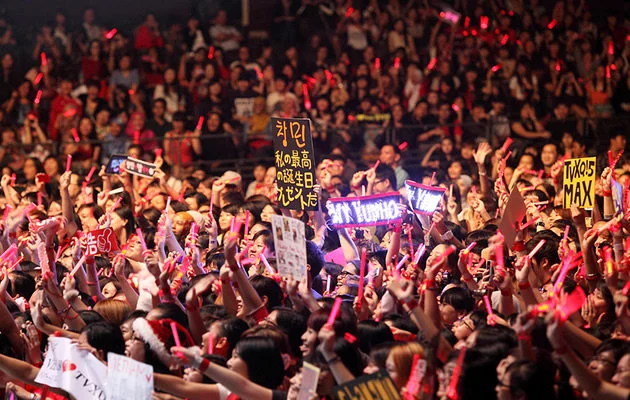
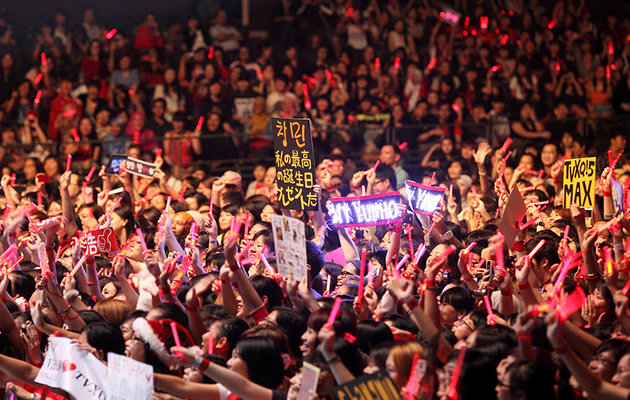
A notable phenomenon in this arena is the "Black Ocean." This occurs during multi-group concerts where a fandom collectively turns off their lightsticks during a rival group’s performance to show a lack of support. While less common today, it remains a potent symbol of the "all-or-nothing" loyalty that characterizes some segments of the community.
However, the power of these organized groups has also been harnessed for social good. In 2020, K-pop fans gained international headlines for their involvement in political activism, such as flooding police tip apps with fancams (short videos of idols) to protect protestors’ identities and raising over $1 million for the Black Lives Matter movement in less than 24 hours to match a donation by the group BTS.
Industry Implications and Future Outlook
The K-pop fandom model has become a case study for the global music industry. Major Western labels are increasingly looking to replicate the "engagement-first" strategy of Korean agencies. The data shows that this model is highly effective; the 2023 Luminate Year-End Report highlighted that K-pop fans are 69% more likely to purchase physical music than the average U.S. music listener.

However, the industry faces challenges in balancing monetization with fan well-being. The rise of "sasaengs"—obsessive individuals who invade the private lives of idols—remains a significant concern. Agencies are under increasing pressure to implement better security measures and mental health support for artists while managing the high expectations of a global, 24/7 audience.
As K-pop continues to integrate with emerging technologies like AI and the metaverse, the definition of a "fandom" will likely expand. Virtual idols and AI-driven fan interactions are already being tested by companies like SM Entertainment (with aespa’s "ae" counterparts) and Netmarble’s MAVE:. Regardless of the medium, the core of the K-pop fandom remains unchanged: a deep, emotional connection between the artist and a community that views itself as a vital part of the artist’s journey.
Ultimately, the K-pop fandom is a multifaceted ecosystem that rewards dedication and provides a sense of belonging. While the internal politics can be daunting for newcomers, the community offers a unique form of cultural exchange that transcends linguistic and geographical barriers. For the music industry at large, the K-pop fan is the ultimate consumer: informed, organized, and fiercely protective of the "brand" they helped build.
Related News