A Comprehensive Guide to Navigating the Complex Hierarchy and Cultural Impact of K-pop Fandoms
Article Editorial Team
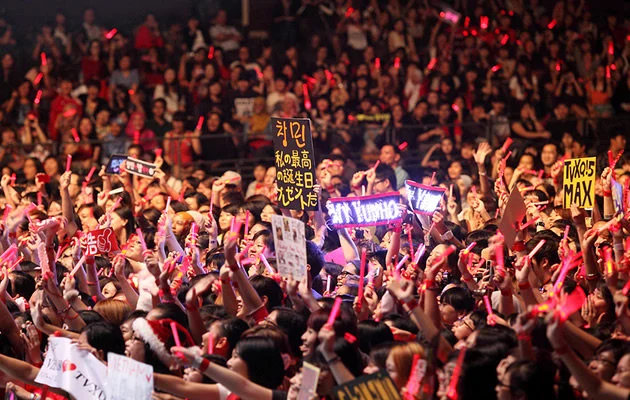
The South Korean music industry, commonly known as K-pop, has evolved from a regional cultural product into a global juggernaut, driven largely by its highly organized and intensely dedicated fanbases. For those entering this ecosystem, the experience often begins with a "Quick Guide" to selecting a "bias"—a favorite member—and finding a community of like-minded enthusiasts. However, as fans become more deeply entrenched in the scene, they inevitably encounter the intricate and sometimes volatile world of fandom politics. Unlike general music enthusiasts, K-pop fans operate within a sophisticated hierarchy of identity that governs everything from digital streaming habits to physical concert etiquette. Understanding this landscape is essential for anyone seeking to comprehend the modern music industry’s shift toward fan-centric economic models.
The Structural Hierarchy of Fan Identity
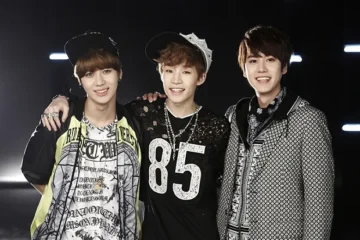
In most Western musical contexts, a fan is simply a supporter of an artist or a genre. In K-pop, the taxonomy of fandom is far more granular. The community is structured into three distinct layers: the overarching "K-pop fan" identity, the specific "group fandom," and the "individual member sub-fandom." This division is a fundamental characteristic of the Hallyu (Korean Wave) experience. For example, an individual may identify as a general consumer of K-pop, but their primary loyalty lies with the group SHINee. This places them within the "Shawol" fandom (a portmanteau of SHINee World). Within that group, if their favorite member is Taemin, they may also identify as a "Taemint."
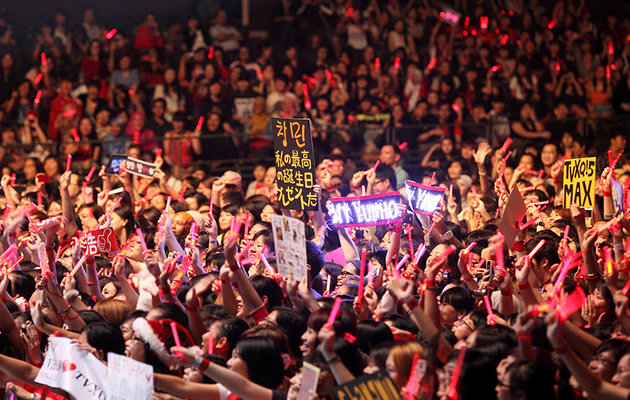
This intricate system of division is a double-edged sword. While it fosters a deep sense of belonging and community, it also provides fertile ground for internal friction. In broader entertainment categories, such as film or literature, the boundaries are often too porous to spark intense tribalism; one can rarely generalize "movie fans" as a single entity. Conversely, because K-pop is often viewed as a singular, niche market—despite its massive global scale—fans are frequently pressured to maintain a unified front under the banner of "K-pop." Yet, the reality is one of intense competition between groups from different entertainment agencies, such as SM Entertainment, HYBE, JYP Entertainment, and YG Entertainment. This competition is fueled by differences in musical concepts, popularity levels, and the perceived "prestige" of the respective groups.
The Evolution of Fandom Infrastructure: From Fan Cafes to Weverse
The methodology of fan engagement has undergone a radical transformation over the last three decades. In the early eras of K-pop (the late 1990s and early 2000s), fan activity was centered around official "fan cafes" hosted on Korean web portals like Daum or Naver. These cafes served as the primary bridge between the idol and the consumer. Joining an official fan cafe remains the "gold standard" of devotion, offering members access to exclusive merchandise, priority ticketing for music shows like M Countdown or Inkigayo, and direct communication channels with the artists.
However, the barriers to entry for these cafes have historically been high for international fans. The registration processes often require Korean-language proficiency, a Korean phone number, or a Resident Registration Number (RRN). While online guides have helped bridge this gap, the benefits of "official" status remain geographically tethered to South Korea. Furthermore, official fan cafes often demand a level of exclusivity that is less common in the West. In the traditional Korean fandom model, a fan is expected to be "loyal" to a single group; being a "multi-fan" (supporting multiple groups) was once viewed with skepticism, though this stigma has significantly diminished as the genre has globalized.

In response to the global demand, the industry has shifted toward proprietary platforms like HYBE’s Weverse and SM Entertainment’s Bubble. These platforms have effectively digitized the fan cafe experience for a global audience, allowing fans in New York or London to receive the same notifications as fans in Seoul. According to industry data, Weverse reached over 10 million monthly active users in 2023, illustrating the massive scale of organized digital fandoms.
The Economic Power and Philanthropy of the Collective
K-pop fandoms are not merely social clubs; they are potent economic engines. Organized fanbases frequently engage in "support projects" that extend far beyond the purchase of albums and concert tickets. One of the most visible manifestations of this is the "rice wreath" tradition. During press conferences or concert tours, fanbases donate large quantities of rice—sometimes tons at a time—in the name of their favorite artist. These donations are then distributed to charitable organizations, serving as both a display of the fandom’s strength and a method of improving the artist’s public image.
Beyond philanthropy, fans invest heavily in birthday advertisements. It is common to see massive digital billboards in New York’s Times Square or major subway stations in Seoul dedicated to an idol’s birthday, funded entirely by fan donations. These activities highlight a unique aspect of K-pop culture: the fan’s role as a secondary marketing arm for the artist. In a market where chart positions and brand reputation rankings are paramount, the collective labor of the fandom is a critical factor in a group’s longevity.

A Chronology of Fandom Milestones
To understand the current state of K-pop fandom, one must look at the pivotal moments that shaped its culture:
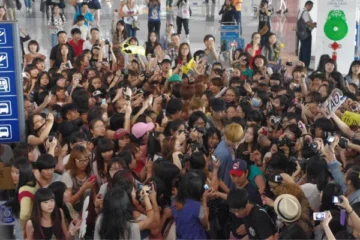
- The First Generation (1996–2004): The rivalry between H.O.T. and SechsKies established the "fan war" dynamic. Fans would physically congregate in large numbers, wearing specific raincoat colors (white for H.O.T., yellow for SechsKies) to signal their allegiance.
- The Second Generation (2005–2011): The rise of groups like TVXQ, BIGBANG, and Girls’ Generation saw the formalization of "fandom names" and "official lightsticks." This era also saw the first significant push into the Japanese and Southeast Asian markets.
- The Third Generation (2012–2017): This period marked the "social media revolution." Groups like BTS leveraged platforms like Twitter (now X) to bypass traditional gatekeepers, allowing international fans to organize on a scale previously thought impossible. The term "ARMY" became synonymous with a new type of hyper-organized digital activism.
- The Fourth and Fifth Generations (2018–Present): The current era is defined by the integration of AI, metaverses, and direct-to-fan subscription services. Groups like NewJeans and Stray Kids benefit from a fandom infrastructure that is global by default.
Navigating Internal Politics and "Fan Wars"
While the sense of community is a primary draw, the "fandom politics" of K-pop can be daunting for newcomers. "Fan wars"—intense arguments between rival fanbases over awards, chart performance, or perceived slights—are a common occurrence on social media. These conflicts often stem from a deep-seated protective instinct. Because the K-pop industry is notoriously rigorous, fans often feel that their support is the only thing protecting their idols from mistreatment by agencies or the media.
This protective nature can occasionally veer into "sasaeng" behavior—an extreme form of stalking where individuals invade the private lives of idols. Official fandoms and entertainment agencies have increasingly taken a hardline stance against such behavior, emphasizing that true support involves respecting the artist’s boundaries. The consensus among the global community is shifting toward a model of "healthy fandom," which prioritizes the well-being of both the artist and the fan.

The Role of International Fan Sites and Content Creators
For those who find official channels too restrictive, the international fan site community offers a more accessible alternative. These sites, often run by volunteers, serve as hubs for news, translations, and media. Before the advent of official English subtitles on platforms like YouTube and V-Live, "subbing teams" were the lifeblood of the international community. These fans would spend hours translating Korean variety shows and interviews, ensuring that non-Korean speakers could connect with the idols’ personalities.
Content creation remains a vital part of the fandom experience. From fan fiction on Archive of Our Own (AO3) to "edit" videos on TikTok and Tumblr, the creative output of the fandom sustains interest during "hiatus" periods when groups are not actively promoting. This decentralized form of fandom allows individuals to contribute in ways that suit their talents, whether through graphic design, linguistic translation, or community organizing.
Broader Impact and Industry Implications
The K-pop fandom model has fundamentally changed how the global music industry views consumer engagement. Western artists are increasingly adopting K-pop strategies, such as "collectible" album packaging, fan-led streaming parties, and the use of dedicated community apps. The data suggests that this model is highly effective; K-pop fans are among the highest-spending consumers in the music world, often purchasing multiple copies of the same album to collect "photo cards" or to increase a group’s chances of winning on music shows.

However, the intensity of this model also raises questions about sustainability and mental health. The pressure to "stream" songs 24/7 or to defend an idol against every online criticism can lead to burnout. As the genre continues to mature, there is a growing dialogue within the community about the need for balance.
Ultimately, the K-pop fandom experience is defined by the emotional connection between the artist and the audience. Whether a fan chooses to be an "official" member of a fan cafe or a casual observer on social media, they are part of a global movement that has redefined the boundaries of pop culture. As the industry continues to innovate, the role of the fan will only become more central, proving that in the world of K-pop, the music is just the beginning of the story. The true heart of the phenomenon lies in the collective power of millions of fans, united by a shared passion that transcends language and borders.
Related News