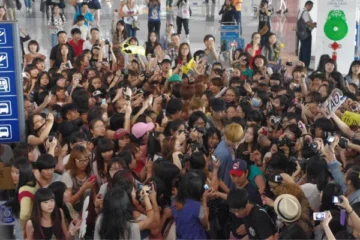
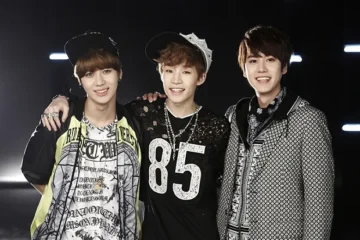
A Comprehensive Guide to Navigating the Complexities and Structures of Global K-pop Fandoms
Article Editorial Team
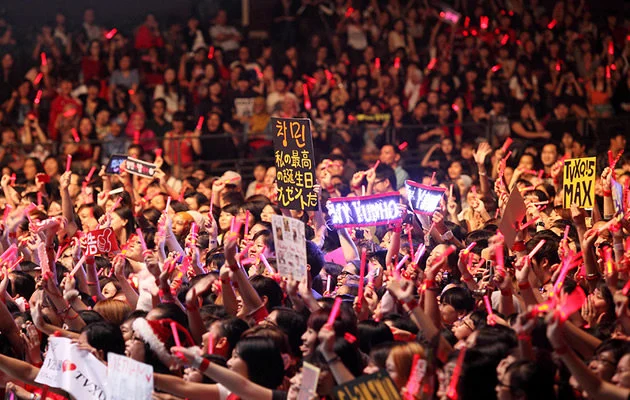
The South Korean music industry, known globally as K-pop, has transcended its origins as a regional genre to become a dominant force in the international cultural landscape, driven largely by a highly organized and multi-layered fandom structure. Unlike traditional Western music fanbases, K-pop fandoms operate with a degree of sophistication and hierarchical organization that mirrors corporate structures. For the uninitiated, entering this ecosystem requires an understanding of the intricate divisions between general fans, group-specific fandoms, and individual member sub-fandoms, as well as the digital and physical spaces where these communities congregate. As the industry continues to expand, the internal politics, economic contributions, and social dynamics of these fanbases have become essential subjects of study for market analysts and cultural historians alike.
The Hierarchical Structure of K-pop Fanbases
At the broadest level, the K-pop community is composed of "casual listeners" and "multi-fans" who consume content from a variety of artists across the genre. However, the core of the industry’s economic engine lies in the specific group fandoms. Each K-pop group is assigned an official fandom name by their management agency—such as ARMY for BTS, BLINK for BLACKPINK, or Shawol for SHINee. These names serve as a primary identity for fans, fostering a sense of belonging and collective purpose.
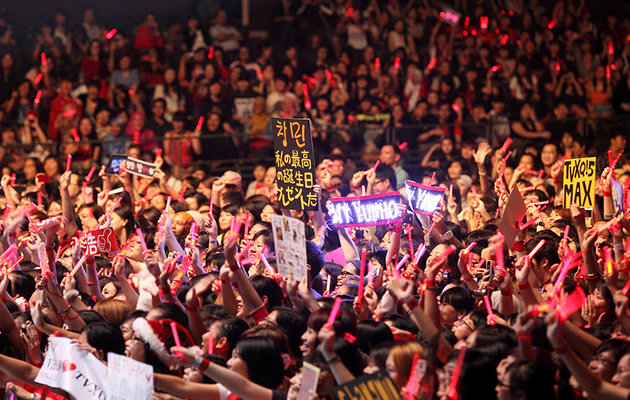
Within these group fandoms, further subdivisions exist based on an individual’s "bias," a term referring to their favorite member of a group. This creates sub-fandoms, such as "Taemints" for fans of SHINee’s Taemin or "Baekstis" for fans of EXO’s Baekhyun. While these sub-groups often work together to promote the group as a whole, they also engage in internal competition for resources, attention, and "line distribution" (the amount of time a member spends singing or appearing on screen). The complexity of these divisions often leads to internal friction, particularly when "solo stans" (those who support only one member) clash with "OT" fans (those who support the entire group, derived from the phrase "One True").
A Chronology of Fandom Evolution
The evolution of K-pop fandom can be traced through several distinct "generations," each defined by the technology and engagement strategies of the time.
- The First Generation (1990s – Early 2000s): During the era of H.O.T. and SechsKies, fandom activity was primarily domestic and physical. Fans identified themselves by wearing specific colored raincoats and carrying matching balloons to music shows. Engagement was managed through telephone hotlines and physical fan clubs.
- The Second Generation (Mid-2000s – Early 2010s): The rise of groups like TVXQ, Big Bang, and Girls’ Generation coincided with the expansion of the internet. This era saw the birth of the "Fan Cafe" on platforms like Daum and Naver. International fans began to emerge via YouTube and early social media, leading to the creation of unofficial international fan sites that translated Korean content into English.
- The Third and Fourth Generations (2013 – Present): With the global explosion of BTS and the advent of dedicated platforms like Weverse and Bubble, the distinction between domestic and international fans has blurred. Engagement is now instantaneous, digital-first, and data-driven, with fans coordinating global streaming parties and massive social media campaigns to influence international music charts.
Official Fan Cafes and the Institutionalization of Fandom
For many years, the pinnacle of fan involvement was membership in an "Official Fan Cafe." These digital spaces, hosted on Korean portals like Daum, serve as the primary communication bridge between the artist’s agency and the public. Joining these cafes is often a rigorous process involving identity verification and quizzes about the artist’s history.

For international fans, the "official" route has historically been challenging due to language barriers and the requirement of a Korean social security number or phone number for verification. However, the industry has responded by creating global versions of these platforms. Modern agencies now offer "Official Fanclub Memberships" for a fee (typically ranging from $30 to $50 USD annually). These memberships provide tangible benefits, including:
- Early access to concert tickets (presales).
- Exclusive merchandise kits containing photo books, badges, and membership cards.
- The opportunity to attend live tapings of music programs like M Countdown or Inkigayo.
- Access to "hidden" posts on apps where idols post personal photos and messages.
The Economics of Devotion: Supporting Data
The financial impact of organized fandom cannot be overstated. According to the International Federation of the Phonographic Industry (IFPI), K-pop has been a primary driver in the growth of the global physical music market. In 2023, South Korean music exports reached a record high of nearly $300 million.
Fandoms contribute to these figures through "bulk buying" strategies, where individual fans purchase dozens or hundreds of copies of the same album to help their favorite artist climb the Circle Chart (formerly Gaon) and Hanteo Chart. This behavior is also driven by "photo card" collecting, a hobby where fans trade randomized inserts found in albums.

Beyond direct sales, fandoms engage in "support projects." This includes "rice wreaths"—large floral arrangements accompanied by bags of rice that are donated to charity in the artist’s name during concerts—and expensive billboard advertisements in locations like New York’s Times Square or Seoul’s Gangnam District to celebrate an idol’s birthday. In 2020, fans of BTS (ARMY) famously matched the group’s $1 million donation to the Black Lives Matter movement within 24 hours, demonstrating the immense fundraising power of these organized groups.
Internal Politics and the "Fan War" Phenomenon
While fandoms provide community, they are also prone to conflict. "Fan wars" occur when two or more fandoms engage in online disputes, often triggered by award show results, plagiarism allegations, or perceived slights against their artists. These conflicts can escalate into "black oceans," a form of protest where fans turn off their lightsticks during a specific artist’s performance at a multi-group concert to show a lack of support.
Furthermore, the industry must contend with "sasaeng" fans—individuals who engage in stalking and invasive behavior. Management agencies like SM Entertainment and HYBE have increasingly taken legal action against such individuals to protect artist privacy, reflecting a shift toward more stringent "official" fandom management.

Industry Responses and the Shift to Proprietary Platforms
In response to the fragmented nature of social media, major K-pop agencies have moved to centralize fandom activity. HYBE’s "Weverse" and SM Entertainment’s "DearU Bubble" are prime examples of this institutionalization. These platforms allow agencies to monetize direct artist-to-fan communication and collect valuable data on fan behavior.
Industry analysts suggest that this shift toward "platformification" allows agencies to bypass traditional social media gatekeepers like Twitter (X) or Instagram, creating a controlled environment where the brand image can be meticulously maintained. This has transformed the fan from a mere consumer into a "prosumer"—a participant who helps produce the value of the idol brand through constant engagement and content creation.
Broader Cultural Impact and Implications
The structure of K-pop fandoms has set a new blueprint for global entertainment engagement. The "K-pop model" is now being studied and replicated by Western artists and sports franchises seeking to build similarly loyal and mobilized fanbases. The transition of K-pop from a niche interest to a mainstream global phenomenon is a testament to the efficacy of these fandom structures.

However, the high level of commitment required—both financial and emotional—has raised questions about the sustainability of the model. The pressure on fans to "stream" 24/7 or purchase multiple album versions has led to discussions regarding "fan burnout." Despite these challenges, the sense of community provided by these groups remains a powerful draw. For many, being a part of a fandom is not just about the music; it is about the social connections, the shared language of "memes" and "inside jokes," and the collective joy of supporting a common cause.
As K-pop continues to integrate with the global music industry, the line between "fan" and "activist" or "marketer" will likely continue to blur. The K-pop fandom is no longer just a group of spectators; it is a sophisticated, globalized network with the power to influence international charts, social movements, and multi-billion dollar corporate strategies. Understanding this world is no longer optional for those wishing to comprehend the modern entertainment landscape—it is essential.
Related News