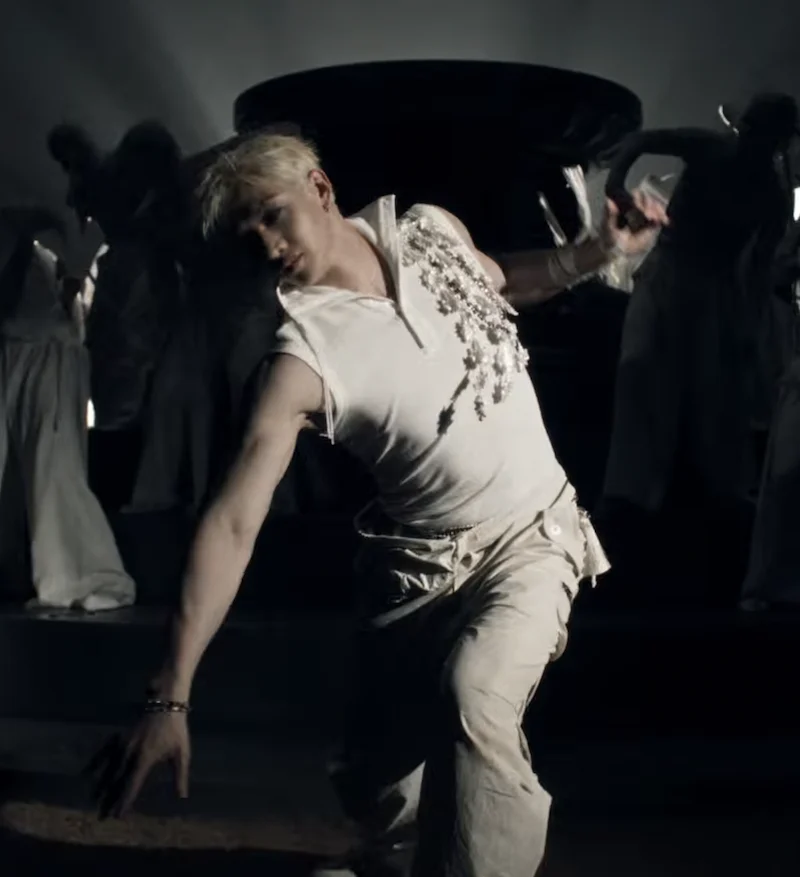
This month witnessed a surge of audacious creative decisions across the K-pop landscape, with various groups making bold statements through their musical, visual, and conceptual releases. These endeavors, while inherently risky, demonstrably aligned with the core artistic sensibilities of the involved artists. Notably, beyond the emerging rookie acts, all featured artists actively contributed to the lyrical and/or compositional aspects of their work, underscoring a prevailing trend of idol self-production and artistic autonomy. This period of dynamic releases provides a compelling look into the evolving creative currents within the industry, where established acts and promising newcomers alike are pushing boundaries and engaging with their audiences on deeper, more authentic levels.
The Evolving Landscape of K-Pop Innovation
The K-pop industry, renowned for its meticulous production and competitive landscape, has increasingly embraced artistic experimentation and idol-led creative direction. This shift is particularly evident in the growing prevalence of sub-units and solo projects, which offer artists platforms to explore genres and concepts that might diverge from their main group’s established identity. Such ventures not only foster individual artistic growth but also cater to diverse fan preferences, enriching the overall musical ecosystem. The commitment of idols to songwriting, composing, and even producing their own material has become a hallmark of artistic credibility, distinguishing acts that merely perform from those that genuinely shape their narrative and sound. This month’s notable releases exemplify this trend, showcasing a vibrant blend of innovation and personal expression.
V8’s "Singasong": A Hyperpop Homage to Artistic Synergy
The subunit debut of V8, comprising Seventeen members Vernon and The8, with their track "Singasong," has been hailed as one of the most exhilarating releases from the group since their focused exploration of duo collaborations. The groundwork for their artistic compatibility was laid during their previous joint effort on The8’s atmospheric, genre-blending Chinese EP, Stardust, which offered a glimpse into their seamless creative synergy. Now officially formalized as a subunit, V8 leverages Vernon’s well-documented affinity for hyperpop and The8’s expertise in EDM, honed through his parallel career as a DJ.
"Singasong," co-written by acclaimed German electronic producer Mechatok, is a whimsical journey into PC music, characterized by its distinctive looping and glitchy synth instrumentation. This production choice immediately positions the track at the forefront of contemporary electronic trends, appealing to a global audience familiar with experimental pop. Vernon’s characteristic deep vocal tone provides a striking contrast to The8’s airy, ethereal delivery, yet their voices merge harmoniously within the intricate vocal mix, creating a dynamic and engaging sonic texture. The authenticity of "Singasong" is palpable; it resonates as a genuine reflection of the music Vernon and The8 are passionately driven to create, offering a deeply satisfying experience for fans and critics alike who champion artistic freedom in K-pop.
The lyrical content of "Singasong" is playfully infused with references to iconic video game characters such as Pikachu and Megatron in its chorus, amplifying the track’s vibrant and youthful energy. The accompanying music video visually reinforces this theme, depicting V8 both engaging in games and seemingly existing within a digital game environment. The visual narrative cleverly transitions between various screens, blurring the lines between reality and simulation, suggesting V8 are either participants in a game or stars of a stylized karaoke video. Through a masterful application of strategic zooms, precise match cuts, and energetic bursts of hot pink saturation, the MV orchestrates a frenetic yet controlled spectacle. It seamlessly interweaves elements reminiscent of Dance Dance Revolution, intricate dance sequences, a lighthearted pillow fight, a high-octane demolition derby, and a scene where V8 enthusiastically smash Hangul lettering akin to a piñata. The overall effect is refreshingly off-kilter and energetic, yet it meticulously avoids overwhelming chaos. "Singasong," as a comprehensive artistic project, radiates a rip-roaring energy that powerfully encapsulates the artistic liberty and creative vision that V8 has brought to this distinctive subunit endeavor. This release not only showcases their individual talents but also strategically broadens Seventeen’s musical spectrum, appealing to a wider demographic interested in cutting-edge soundscapes.

ONF’s "Open the Door": A Theatrical Journey of Self-Discovery
ONF’s latest comeback, "Open the Door," stands as a testament to the group’s unwavering commitment to a distinctive and consistent artistic style, a rare feat in an industry often driven by fleeting trends. This release marks a significant chapter for ONF, being their first under a new label following their departure from WM Entertainment, while simultaneously signaling a reunion with their acclaimed main producer, Hwang Hyun. Hwang Hyun, known for his ability to craft rich, theatrical soundscapes, once again imbues "Open the Door" with the dramatic flair characteristic of ONF’s previous works, such as 2024’s introspective "Bye My Monster." The track continues their tradition of narrative-driven music, delving into profound introspective subject matter with a theatrical intensity that has become their signature.
The song and its accompanying music video meticulously construct the imagery of an enclosed room, a potent metaphor for internal confinement. As member Minkyun articulates in the opening verse, this is a space where they "could not tell day from night," vividly portraying a state of psychological stagnation. Each member is depicted as trapped within a unique, nightmarish chamber, featuring unsettling elements like pervasive surveillance cameras, menacing thorny branches, or an ominous giant shadowy figure. The lyrics poignantly reveal the true nature of this prison: "the familiar space inside my heart," confirming that the physical rooms are external manifestations of deep-seated internal demons and psychological barriers.
"Open the Door" dramatically chronicles the pivotal decision to confront and ultimately break free from this debilitating psychological state. In the chorus, ONF grapples with the profound uncertainty of this liberation, pondering: "What will become of me once I open that door? / Whether it is the next world or a deep abyss, I do not know." This lyrical exploration of the unknown is expertly mirrored in the song’s intricate structure, which meticulously builds courage and tension. Beyond a conventional bridge, the track features a classical post-bridge interlude delivered in Latin, elevating its dramatic gravitas. A standout line, "Lux in cordibus fortius lucet," meaning "light shines more strongly in the heart," serves as a powerful beacon of hope and resilience, reinforcing the theme of inner strength. The final chorus culminates in a triumphant crescendo, propelled by fast-paced percussion, a soaring, wailing guitar, and layered harmonies that collectively evoke a powerful sense of victory and emotional release.
The music video concludes with a striking overhead shot of a circular room teeming with numerous doors, one of which opens to reveal an emanating light. Crucially, the MV intentionally refrains from fully disclosing what lies beyond this threshold, thereby underscoring a profound message: the true triumph resides not in the destination, but in the courageous act of taking the initial steps towards change and self-liberation. "Open the Door" masterfully encapsulates ONF’s unique strengths: their capacity for emotional storytelling, realized through complex song structures, intricately layered vocals, and compelling dramatic visual imagery. This comeback reinforces their position as a group committed to artistic depth and narrative coherence, resonating strongly with a fanbase that values thoughtful and emotionally resonant music. The successful reunion with Hwang Hyun and their consistent artistic vision under a new label further solidifies their resilience and enduring appeal in the competitive K-pop landscape.
Heart of Woman’s "Skit.exe": A Bold Statement from a Promising Debut
Heart of Woman (H.O.W), a new girl group, made a significant splash with their late May debut, immediately distinguishing themselves in a crowded rookie landscape. While their retro-infused pop-R&B sound, first showcased in "Lost in Proof," quickly garnered attention, it was their unconventional debut strategy that truly set them apart. In an industry where single or mini-album debuts are the norm, H.O.W boldly launched with a full-length album comprising 11 tracks. This ambitious move, almost unheard of for a rookie group, signals a profound confidence from their agency, KI Entertainment, in the breadth and quality of their music. The group’s leader, Jihyun, was already a familiar face to K-pop enthusiasts, having gained recognition through her participation in the survival show R U Next, which provided an initial foundation of public awareness.
Adding another layer to their innovative promotional approach, H.O.W has subsequently released three music videos for B-sides from their debut album, including a particularly notable one for a 90-second interlude titled "Skit.exe." The decision to produce an MV for such a brief track, especially as a surprise drop following "Lost in Proof," was a calculated and savvy move. It served as a powerful showcase for the members’ vocal prowess, from Ayne’s soulful opening runs to the group’s impeccably layered harmonies as they confidently declare, "I’ll make it sound so good." Even within its concise runtime, "Skit.exe" features intriguing production choices, such as a deliberate slowing tempo and distinct scratching effects preceding the chorus, demonstrating a sophisticated musicality. As a release, "Skit.exe" masterfully cultivates a sense of anticipation, leaving the audience yearning for more and strategically prompting deeper engagement with their full album. This tactic cleverly leverages the short-form content consumption habits prevalent in the digital age, turning a brief interlude into a compelling entry point for potential new fans.

The accompanying music video for "Skit.exe" subtly acknowledges this strategic intent, depicting the members on a mission to disseminate the enigmatic message "H.O.W?" across a sprawling cityscape. Their methods range from traditional acts, like plastering stickers on walls, to fantastical displays, such as the letters materializing within vibrant pink clouds in the sky. This visual narrative vividly portrays Heart of Woman’s overt ambition and their willingness to employ distinctive choices to capture public attention, all while steadfastly preserving their musical integrity. By prioritizing a comprehensive album release and investing in unique promotional content like the "Skit.exe" MV, H.O.W has made a clear statement about their artistic commitment and potential. They have positioned themselves as one of the most promising debuts of the year, signaling that genuine musicality and a well-executed marketing strategy can create significant impact, even for a nascent group in the highly competitive K-pop industry.
Stray Kids’ "Run It": A Declaration of Legacy and Cultural Pride
Stray Kids, a group that has ascended to global prominence on the back of their distinctive sound and self-produced artistry, delivered an anthemic pre-release single, "Run It," that serves as both a strategic announcement for their forthcoming album and world tour, and a powerful standalone statement. The track is notable for being one of their most melodic and accessible offerings to date, yet it refreshingly deviates from the typical structural conventions of their previous singles. Unlike many of their title tracks that often launch with powerful, aggressive rap verses, "Run It" commences with a foundation of low brass and relatively restrained verses. This measured build-up gradually intensifies, culminating in a rousing rap outro where members Changbin and Han expertly trade impactful bars, showcasing their dynamic synergy.
Composed by 3Racha, Stray Kids’ internal production unit comprising Bang Chan, Changbin, and Han, "Run It" delves into the group’s journey, focusing on their unwavering perseverance through numerous struggles to achieve their immense global success. While themes of adversity and triumph are not unfamiliar territory for Stray Kids, "Run It" imbues these narratives with a heightened sense of grandeur and emotional weight. The music video powerfully amplifies these themes, integrating numerous elements that reflect both their past adversities and their soaring ambitions. Dancers clad in contrasting black and white symbolize the delicate balance of light and dark, representing the challenges overcome and the success achieved. Poignant scenes, such as I.N painting the floor with hands covered in black ink, and Felix engaging in a metaphorical taekwondo battle with himself, evoke a profound sense of inner conflict and the internal battles fought on their path to greatness.
Crucially, these powerful images are imbued with distinctly Korean cultural references, transforming the narrative into a celebration of national identity. The visual language recalls traditional Korean calligraphy, martial arts, and revered national symbols. It is no mere coincidence that early scenes depict Bang Chan and Seungmin crawling on the ground like tigers, an animal deeply ingrained as a national symbol of Korea, representing courage, power, and the spirit of the nation. These cultural nods suggest that Stray Kids not only harbor immense pride in their homeland but also actively assert themselves as a burgeoning source of national pride on the global stage. In the powerful outro, Han declares with conviction, "Our story will remain history," unequivocally framing Stray Kids’ remarkable journey to global acclaim as an integral and lasting part of Korea’s cultural legacy. The sheer grandeur and aspirational scope of "Run It" lend an undeniable gravitas to this declaration, making their claim feel not just attainable, but already in the process of being realized. This track solidifies Stray Kids’ position as not just K-pop idols, but as cultural ambassadors whose artistic narrative is deeply intertwined with their national heritage.
Meovv’s "Ddi Do Ri": Challenging Norms Through Uncanny Artistry
The month’s most audacious artistic gamble undoubtedly came from Meovv with their debut track, "Ddi Do Ri." On paper, the song initially appears to fall within the familiar stylistic territory of producer Teddy, known for his "flex songs" often fueled by classical samples underpinned by a thumping bassline – in this case, Johann Sebastian Bach’s iconic "Toccata and Fugue in D Minor." However, "Ddi Do Ri" introduces several unique, and ultimately divisive, elements. The title itself, an onomatopoeic phrase used to denote something unexpected or awkward, immediately sets an unconventional tone. Furthermore, the prominent Bach pipe organ chords evoke strong associations with 1930s horror cinema, particularly Dracula, which now carries a distinctly campy connotation. As a direct consequence, "Ddi Do Ri" faced criticism for being perceived as overly "meme-like," leading to public backlash that prompted Meovv to remove the phrase from some live performances. The integration of the Bach sample with contemporary trap beats also sparked considerable debate regarding its overall musical cohesion.
Despite the musical divisiveness, the accompanying music video for "Ddi Do Ri" stands out as one of the year’s most creative and unsettlingly beautiful productions, replete with intricate layers for viewers to uncover. Filmed at a high frame rate of 60 frames per second, the visual presentation achieves a hyper-realistic quality that paradoxically veers into the uncanny. Director Rima Yoon explicitly stated her intention to create an "AI-like texture" without actually employing artificial intelligence, a fascinating artistic choice in an era grappling with digital authenticity. Yoon further engages with questions of reality by prominently featuring an AI prompt for the "gothic-medieval interior set" at the video’s outset, and later, loaves of bread appear with the existential query, "Is this real?"

Beyond a commentary on AI and authenticity, "Ddi Do Ri" powerfully functions as a critique of women’s beauty standards, particularly within the demanding realm of idol culture. The MV is meticulously structured into four distinct chapters, with the second, "Perfected to Be Loved," offering a stark depiction of the pressures faced by female idols. In this segment, the Meovv members are shown using stair climbers, accompanied by screen messages like "Repeat Until Perfection," vividly illustrating the relentless pursuit of an idealized image. The initial drop to the chorus reveals the members in makeup and lighting that renders their skin shiny and almost plastic-like, a visual metaphor reflecting how some women resort to cosmetic enhancements in their quest for perfection. However, the subsequent chapter, "Doubt Takes Shape," immediately exposes the inherent scrutiny and judgment women face for taking these very steps to conform to societal beauty standards.
The fourth section, ominously titled "Branded a Witch," delves into the potential consequences for non-conforming women, powerfully portraying a metaphorical witch hunt. The explosive, percussive outro, featuring red-clad dancers moving frantically like crackling flames, chillingly alludes to the historical act of burning women at the stake. Yet, in a defiant twist, Meovv ultimately evades this brutal punishment, instead choosing to dance boldly in front of the fire. This powerful conclusion transforms the narrative into a potent statement of female empowerment, asserting agency and resilience in the face of judgment. Through "Ddi Do Ri" and its array of risky and provocative choices, Meovv unequivocally demonstrates their willingness to challenge established expectations and societal norms, even if the pervasive pressures of the industry and society remain an inescapable reality. Their debut is a bold artistic statement, signaling a group committed to pushing conceptual boundaries and sparking important cultural conversations.
Broader Impact and Implications
The array of releases this month—from V8’s genre-bending subunit debut to ONF’s theatrical comeback, Heart of Woman’s unconventional album launch, Stray Kids’ declaration of legacy, and Meovv’s provocative social commentary—collectively underscores the vibrant dynamism and increasing artistic maturity within the K-pop industry. These acts, both seasoned and nascent, are not merely producing music; they are crafting intricate narratives, engaging with contemporary societal issues, and exploring new artistic territories with remarkable courage. The emphasis on idol self-production and conceptual depth reflects a growing demand from audiences for authenticity and meaningful content, moving beyond mere spectacle. This trend sets new benchmarks for creativity and thematic richness, signaling a future where K-pop continues to evolve as a global cultural force, driven by artists who are unafraid to take risks and challenge expectations.