
A complex and unprecedented case involving a prominent Taiwanese actress, a director, and the unique circumstances surrounding the conception and impending birth of their child has ignited a fervent public and legal debate across Taiwan. The situation, brought to light during an awards ceremony, centers on actress Ray Tseng and her wife, director Hung Chien Han, who is currently eight months pregnant with a child conceived using Tseng’s eggs and Hung Chien Han’s brother’s sperm, Hung Wei Yao. This arrangement, undertaken abroad to circumvent Taiwan’s stringent Assisted Reproduction Act, has thrust critical issues of family law, reproductive rights, and the definition of incest into the national spotlight.

The Unveiling at the Taipei Theatre Awards
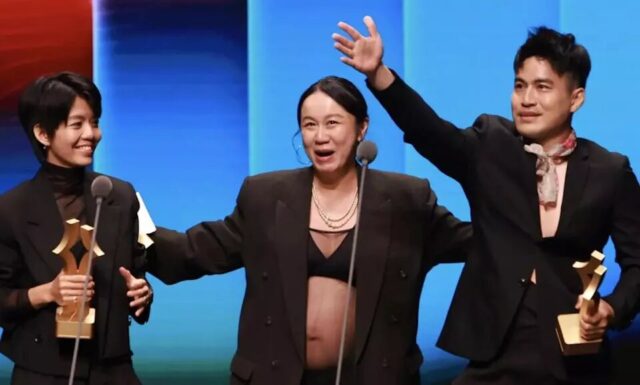
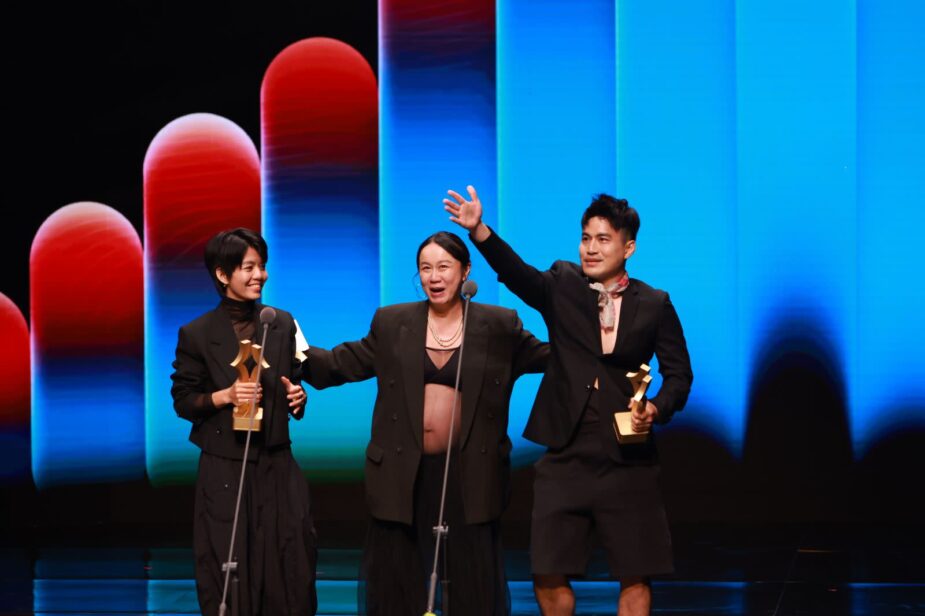
The intricate family dynamic and the impending arrival of their child were publicly revealed in July 2026, during the prestigious Taipei Theatre Awards. The couple’s stage production, "Family Triangle," which premiered at the Taipei Arts Festival in 2025, had garnered significant acclaim, winning an award at the ceremony. During their acceptance speech, Tseng and Hung Chien Han not only celebrated their artistic achievement but also announced that the compelling narrative of "Family Triangle" was deeply rooted in their personal lives. Hung Chien Han, visibly pregnant at eight months, proudly displayed her baby bump, transforming a theatrical narrative into a tangible reality for the captivated audience and wider public. The play itself had explored the emotional and logistical journey of a lesbian couple seeking to conceive a child through in vitro fertilization (IVF), a path fraught with regulatory hurdles in Taiwan, particularly concerning sperm donor eligibility. The plot mirrored their real-life dilemma: the couple faced challenges in finding a suitable sperm donor under Taiwanese law, leading them to consider one of the couple’s siblings.
Taiwan’s Evolving Landscape of LGBTQ+ Rights and Reproductive Challenges
Taiwan has been a beacon of progressive LGBTQ+ rights in Asia, notably becoming the first jurisdiction in the region to legalize same-sex marriage in May 2019. This landmark decision was celebrated globally as a significant step towards equality. However, despite this progressive stance on marriage, the legislative framework surrounding reproductive rights for same-sex couples, particularly for female couples, remains notably restrictive.
Related Articles

The Assisted Reproduction Act (ARA) in Taiwan dictates strict guidelines for IVF procedures. Crucially, it limits access to married heterosexual couples and explicitly prohibits the donation of gametes (sperm or eggs) between close relatives. While same-sex marriage grants legal recognition to couples, it does not automatically extend full reproductive rights that are available to heterosexual couples. For instance, while a married heterosexual couple can undergo IVF using donor sperm if the husband is infertile, a lesbian couple, despite being legally married, often faces a conundrum. The ARA traditionally defines "infertility" as a prerequisite for assisted reproduction, and the legal framework for "social infertility" (i.e., not having a male partner) is not clearly established for same-sex female couples. Moreover, anonymous sperm donation is generally preferred and regulated, with strict rules against directed donations from close relatives to prevent potential genetic complications and to avoid complex legal and ethical quandaries regarding parentage and familial relationships.
The Decision to Seek IVF Abroad: A Quest for Parenthood
Faced with these legal impasses within Taiwan, Ray Tseng and Hung Chien Han made the difficult but determined decision to seek assisted reproductive technology abroad. Their desire for a child with a genetic connection to both partners led them to a unique arrangement: Tseng’s eggs would be fertilized by the sperm of Hung Wei Yao, Hung Chien Han’s brother. The resulting embryo would then be implanted into Hung Chien Han, who would carry the pregnancy. This method ensured a biological link to both Tseng (through her eggs) and Hung Chien Han (as the gestational carrier and through her brother’s genetic contribution).
This choice to travel internationally for the procedure is not uncommon for Taiwanese same-sex couples, or even heterosexual couples, who find local laws too restrictive. Destinations like Thailand, the United States, or certain European countries often offer more liberal assisted reproduction policies, including options for same-sex couples and directed donation. By undergoing the IVF procedure outside Taiwan, the couple successfully bypassed the immediate legal prohibitions of the Taiwanese Assisted Reproduction Act concerning donor eligibility and the definition of eligible recipients.
The Emergence of Legal Controversies: Incest, Parentage, and Nationality
While the overseas IVF procedure allowed the couple to achieve their dream of parenthood, the public revelation of their story has ignited a complex legal debate within Taiwan. Legal experts have quickly highlighted that despite the IVF being conducted abroad, the child’s birth and subsequent life in Taiwan will inevitably bring forth a cascade of legal questions, particularly concerning parentage, registration, nationality, and the recognition of legal parents under Taiwanese law.

The most contentious aspect revolves around the concept of "incest." While the relationship between Hung Chien Han and her brother, Hung Wei Yao, was not a sexual one, the use of his sperm to conceive a child that his sister would then raise with her wife raises profound questions within the context of family law. Taiwanese law, like many legal systems globally, has provisions against incestuous relationships, primarily to prevent genetic defects in offspring and to uphold societal norms regarding family structures. The Assisted Reproduction Act specifically aims to prevent close relatives from donating gametes to each other precisely for these reasons.
Legal scholars argue that even if the act of conception occurred outside Taiwanese jurisdiction, the genetic relationship between the biological father (Hung Wei Yao) and the gestational mother (Hung Chien Han, his sister) will create a legally ambiguous situation upon the child’s registration in Taiwan. Key issues include:

- Parental Recognition: Who will be legally recognized as the child’s parents? Under current Taiwanese law, the woman who gives birth is generally considered the legal mother. This would make Hung Chien Han the legal mother. However, Ray Tseng, as the genetic mother and Hung Chien Han’s legal spouse, would likely seek to be recognized as the co-parent. The role of Hung Wei Yao, as the biological father and the gestational mother’s brother, adds an unprecedented layer of complexity.
- Family Registration (Household Registration): Taiwan’s household registration system is critical for establishing legal family ties, nationality, and access to public services. How will the child be registered? Will Hung Wei Yao be listed as the father? If so, this would formally acknowledge the genetic link between siblings in a parental context, potentially conflicting with the spirit, if not the letter, of anti-incest provisions.
- Nationality: While the child will likely obtain Taiwanese nationality through Hung Chien Han, the complexities of parentage could still create bureaucratic hurdles.
- Inheritance and Custody: Should any future disputes arise, the unique parentage arrangement could complicate matters of inheritance rights, custody, and guardianship, as existing laws are not designed to accommodate such a "family triangle."
- Social and Ethical Implications: Beyond legalities, the case challenges societal perceptions of family, kinship, and acceptable reproductive practices. It forces a public discourse on how far society should accommodate evolving family structures enabled by advanced reproductive technologies.
Calls for Legislative Reform and Broader Impact
The unfolding narrative of Ray Tseng, Hung Chien Han, and Hung Wei Yao is poised to become a landmark case, potentially catalyzing significant legal and social reforms in Taiwan. Legal experts and LGBTQ+ advocates are already leveraging this high-profile situation to renew calls for amendments to the Assisted Reproduction Act. They argue that the current law is outdated, discriminatory against same-sex couples, and fails to address the realities of modern family planning and reproductive science.
Proposals for reform include:
- Expanding Eligibility for IVF: Allowing same-sex couples, particularly female couples, to access IVF services within Taiwan without requiring a diagnosis of "infertility" in the traditional sense.
- Clarifying Donor Rules: Establishing clearer guidelines for directed donation, potentially balancing the desire for genetic connection within families with ethical considerations and safeguards against true incestuous relationships.
- Defining Parentage for Same-Sex Couples: Creating robust legal frameworks that clearly define parental rights and responsibilities for non-biological parents in same-sex partnerships, including second-parent adoption or automatic co-parent recognition for spouses.
- Addressing International IVF: Developing legal mechanisms to recognize and integrate parentage established through assisted reproduction procedures undertaken abroad, mitigating the current legal uncertainties upon return to Taiwan.
The debate transcends the immediate legal challenge faced by Tseng and Hung Chien Han; it reflects a broader societal tension between traditional family values and the increasing acceptance of diverse family structures facilitated by both social progress and scientific advancement. The case highlights the critical need for legal systems to adapt to the complexities of modern reproductive technologies and to ensure equitable access to family building for all citizens, irrespective of sexual orientation.
As the birth of their child approaches, the focus will intensify on how Taiwanese authorities navigate this unprecedented legal and ethical quandary. The decisions made regarding the child’s registration and the recognition of the parents could set a crucial precedent for future same-sex couples in Taiwan and potentially influence legislative changes, shaping the future of family law and reproductive rights in the nation. The "Family Triangle" is no longer just a stage production; it is a real-life legal and social drama with profound implications for Taiwanese society.