Aespa’s Karina’s Grueling Comeback Schedule Raises Significant Fan Concerns Over Idol Well-being
Article Editorial Team

aespa, the popular K-Pop girl group, is currently immersed in intensive promotional activities for their latest single, "WDA," ahead of the release of their highly anticipated studio album. While the group has garnered widespread acclaim for their captivating stages and powerful performances, a recent behind-the-scenes revelation from member Karina has sparked considerable worry among fans regarding the arduous demands placed upon K-Pop idols during comeback periods. The detailed account of Karina’s schedule, shared in a personal vlog, has ignited a fervent discussion online about artist welfare and the sustainability of the industry’s rigorous work culture.
Unveiling the Grueling Schedule: A Deep Dive into Karina’s Comeback Week
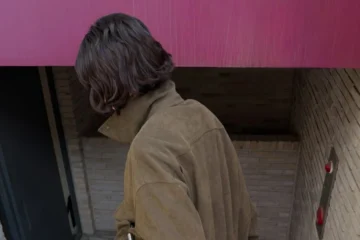
The catalyst for the current wave of fan concern was a vlog posted by Karina, offering an unvarnished glimpse into her daily routine during a comeback week, complete with precise hourly timestamps. The schedule painted a stark picture of relentless activity and minimal rest, beginning in the pre-dawn hours and extending late into the evening.
According to Karina’s vlog, a typical music show day commenced at an astonishing 1 AM with a wake-up call. By 2 AM, she would be undergoing professional hair and makeup preparation, a process that can often be intricate and time-consuming, setting the stage for the day’s visual demands. Her arrival at the broadcasting station, specifically for Music Core, was slated for 3 AM, allowing for further preparations, sound checks, and coordination with staff before filming commenced.
The pre-recording session, a crucial component of music show promotions where performances are taped in advance for broadcast, kicked off at 4:30 AM. This early start is standard practice in the K-Pop industry, designed to accommodate the complex logistics of multiple groups performing on a single show, as well as fan attendance. By 6 AM, Karina was "off work" from the initial pre-recording, seemingly offering a brief reprieve. However, this respite was fleeting and often utilized for travel back to the agency or dorm, or for a brief moment of rest before the next phase of the day.
The demanding cycle resumed by 1 PM, when Karina was required to return to the music show venue. The interim hours between 6 AM and 1 PM, while technically "off work," are rarely periods of true rest. They are often filled with travel, quick meals, or preparations for other scheduled activities. At 2 PM, she managed to snatch a quick meal and a brief nap, a precious commodity in the idol world. The afternoon was then consumed by waiting periods: 3 PM for an interview, and 4 PM for the live ending stage, where all performing artists gather for the final segment of the broadcast. Finally, by 6 PM, Karina was able to head home, marking the conclusion of an incredibly long day.
This documented schedule alone accounts for over 17 hours of active engagement, from wake-up to returning home. What intensified fan worry was the accompanying observation that this particular day was considered one of the "lighter" schedules. Fans quickly pointed out that many comeback days frequently include additional engagements such as radio appearances, fan sign events, or variety show recordings. On such days, it is highly probable that Karina, and by extension her group members, would not return home until 10 PM or even later, extending their workday to a staggering 21 hours or more. This stark reality underscores the immense physical and mental stamina required to navigate the K-Pop comeback cycle.
The Relentless Rhythm of K-Pop Comebacks: Industry Context
The intense schedule revealed by Karina is not an isolated incident but rather a deeply ingrained characteristic of the highly competitive K-Pop industry. Comebacks are pivotal moments for any group, serving as the primary vehicle for promoting new music, engaging with fans, and solidifying or expanding their market presence. The pressure to deliver flawless performances, maintain an impeccable public image, and generate buzz is immense, driven by both agency expectations and fervent fan anticipation.

K-Pop’s "idol factory" system is notorious for its rigorous training periods, which often begin at a young age and demand exceptional dedication. This foundational intensity extends into an idol’s active career, particularly during comeback seasons. A typical comeback involves a multi-faceted promotional blitz that includes:
- Music Show Promotions: Performing the new title track on various weekly music programs (e.g., Music Core, Inkigayo, M Countdown, Music Bank, The Show, Show Champion). These often require multiple pre-recordings and live appearances.
- Media Appearances: Extensive interviews with print, digital, and broadcast media to discuss the album concept, creative process, and group activities.
- Variety Show Guestings: Participating in popular entertainment programs to boost public visibility and showcase individual members’ personalities.
- Fan Engagement: Hosting fan meetings, fan sign events, and live streams to interact directly with the fanbase, which are crucial for building loyalty and driving album sales.
- Content Creation: Filming behind-the-scenes content, vlogs, and promotional material for social media and official channels.
- Rehearsals: Continuous practice to perfect choreography and live vocals for various performances.
Each of these activities demands significant time, energy, and meticulous preparation, often requiring idols to travel between multiple locations within a single day. The cumulative effect is a schedule that leaves little room for personal time, adequate sleep, or mental recuperation.
Historical Precedent and Systemic Pressures
The demanding nature of idol life is not new. Throughout K-Pop’s history, there have been numerous reports and anecdotal accounts of artists enduring grueling schedules, often sacrificing personal health for professional success. The industry’s structure, heavily reliant on broadcast schedules and intense competition, perpetuates these practices. Music show pre-recordings, for instance, are often scheduled in the early hours to optimize studio availability and allow for multiple groups to film before live broadcasts. While practical from a production standpoint, it places an undeniable burden on the artists and their support staff.
The financial stakes are also incredibly high. A successful comeback can translate into significant revenue from album sales, digital streams, merchandise, and concert tickets. Agencies invest heavily in their groups, and comebacks are seen as critical opportunities to recoup investments and generate profit. This economic reality often translates into a pressure to maximize every promotional opportunity, leading to packed schedules. Furthermore, the global expansion of K-Pop has added another layer of complexity, with groups often balancing domestic promotions with international appearances and tours, further compressing their available time.
The Human Cost: Fan Concerns Erupt Online
The detailed revelation of Karina’s schedule quickly galvanized the aespa fandom, known as MYs, and resonated across the broader K-Pop community. Social media platforms, particularly Twitter, became a hub for expressing widespread concern. Fans articulated their worries primarily centered on Karina’s physical and mental well-being, highlighting the severe lack of rest and the potential long-term health consequences of such a regimen.
Many online commentators expressed frustration with the unchanging nature of the K-Pop industry’s practices. Despite ongoing discussions about idol welfare and mental health, the core demands of comeback promotions appear to remain as intense as ever. One fan (@KV19681) articulated this sentiment, noting, "This is a day without a radio interview or fanmeet after the music show it looks like. On those days she likely doesn’t get home until closer to 10 PM, maybe later. Idol life is not easy. At least this group is making money. Imagine working like that and your group is in debt." This comment not only highlighted the intensity of Karina’s schedule but also drew a poignant comparison to less successful groups who endure similar hardships without the same financial rewards, underscoring the systemic issues.
Concerns extended beyond the artists themselves to the vast network of staff who support them. As one user (@Kyofansign) pointed out, "Can’t even imagine the managers that have to accompany them and even the lesser known idols who have to accommodate bigger idols schedules for hair and makeup etc." This perspective broadens the discussion to the entire ecosystem of the K-Pop industry, where long hours and demanding conditions are often the norm for everyone involved.
Echoes from the Fandom: Calls for Change and Empathy

The collective sentiment among fans was one of deep empathy and a desire for better conditions. Tweets like "Pooor baby, she and the other members must be exhausted 😥 and yet, kmys have nothing to say about this .. they were more mad about the girls having a feat song on their album and its just sad 😭" (@bluuforkarina) highlighted a perceived misdirection of fan energy, suggesting that idol welfare should take precedence over other fan grievances. The immediate reaction was a heartfelt plea for the group’s health, with statements such as "I pray that Karina will stay healthy & happy throughout the comeback" (@youx411) becoming common.
The overwhelming response indicates a growing awareness among K-Pop fans about the human cost behind the glamorous facade of idol life. While fans undeniably want to see their favorite groups succeed and release new music, there’s an increasing desire for this success to be achieved in a sustainable and healthy manner for the artists. This sentiment reflects a maturing fandom that is increasingly vocal about ethical considerations in the entertainment industry.
Agency Silence and Industry Practices
As of the immediate aftermath of Karina’s vlog going viral, neither SM Entertainment, aespa’s agency, nor the members themselves have issued a direct statement addressing the specific fan concerns about the schedule’s intensity. This silence is largely consistent with standard industry practices. K-Pop agencies rarely publicly acknowledge or directly comment on artist schedules in response to fan concerns, typically opting to project an image of professionalism and dedication.
From an agency’s perspective, the rigorous schedule is often framed as a necessary component of a successful comeback, a testament to the artists’ hard work and commitment to their craft and their fans. While agencies often emphasize artist well-being in their corporate messaging, the practical implementation during peak promotional periods often reflects the intense competitive pressures of the market. The industry generally operates under the premise that such demanding periods are temporary and inherent to the nature of idol work, requiring a high level of endurance from artists.
The Broader Implications for K-Pop’s Future
Karina’s candid revelation and the subsequent fan reaction bring to the forefront critical discussions about the future sustainability of the K-Pop industry. The implications extend across several dimensions:
- Artist Longevity and Health: Chronic sleep deprivation, irregular meals, and constant stress can have severe long-term consequences on physical and mental health. This raises questions about the longevity of idols’ careers and their ability to maintain peak performance without adequate rest and recovery. The industry has seen numerous instances of idols taking hiatuses due to health issues, underscoring the severity of these demands.
- Evolving Fan Expectations: The current outcry suggests a shift in fan priorities. While historical fandoms might have celebrated idols’ relentless work ethic, a new generation of fans is increasingly advocating for artist welfare, pushing for a more humane approach to talent management. This evolving expectation could potentially put pressure on agencies to re-evaluate their scheduling practices.
- Industry Standards and Regulation: While self-regulation within the K-Pop industry has been limited, growing public discourse and fan pressure might eventually lead to greater scrutiny from cultural bodies or even discussions around labor standards for entertainment professionals. However, given the unique nature of the industry and its global competitiveness, significant regulatory changes remain a complex challenge.
- The Psychological Toll: Beyond physical exhaustion, the constant pressure to be perfect, always "on," and under public scrutiny can take a significant psychological toll. Idols are expected to maintain a positive and energetic persona regardless of their internal state, which can lead to burnout, anxiety, and depression.
- Global Image of K-Pop: As K-Pop continues its global expansion, the industry’s internal practices are increasingly under international scrutiny. Revelations of extremely demanding schedules can affect the perception of K-Pop as a desirable career path and potentially draw criticism from international human rights or labor organizations.
Conclusion: A Call for Sustainable Stardom
Karina’s vlog has inadvertently pulled back the curtain on the intense realities of K-Pop comeback promotions, exposing a grueling schedule that has elicited widespread concern. While aespa continues to deliver powerful performances for their "WDA" comeback, the underlying narrative of artist welfare has taken center stage. The robust online reaction from fans serves as a powerful reminder that while the glamour and spectacle of K-Pop are undeniable, the human element—the health and well-being of the artists—must remain a paramount consideration. The ongoing conversation underscores a growing desire within the K-Pop ecosystem for more sustainable practices that prioritize the health and longevity of its stars, ensuring that the pursuit of global entertainment success does not come at an untenable human cost.
Related News