Aespa’s Upcoming Album LEMONADE Concept Photos Spark Plagiarism Allegations, Drawing Comparisons to LE SSERAFIM’s "Perfect Night" Visuals
Article Editorial Team

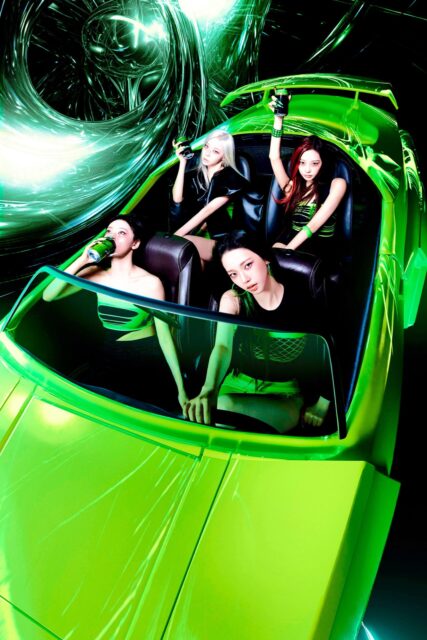
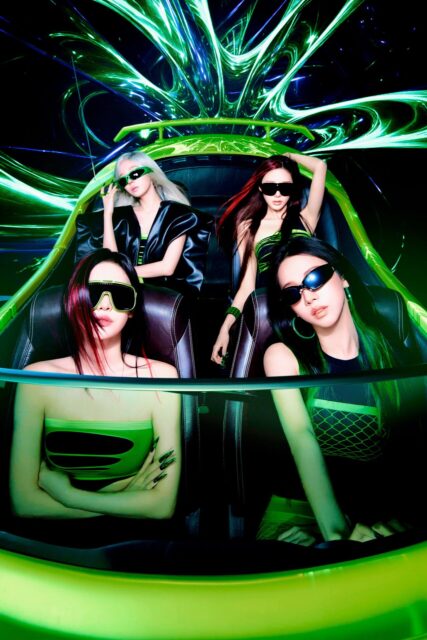
The highly anticipated comeback for SM Entertainment’s girl group aespa has encountered an unexpected hurdle as newly released concept photos for their upcoming studio album, LEMONADE, have ignited a heated debate across K-Pop fan communities. The visual teasers, featuring the four members in a futuristic, neon-green vehicle, were immediately flagged by netizens for their striking resemblance to the aesthetic previously showcased by HYBE’s LE SSERAFIM in their promotional materials for the 2023 single "Perfect Night." This incident has rapidly escalated into a significant controversy, overshadowing the initial excitement for aespa’s new music and raising questions about originality within the competitive K-Pop industry.
The Unveiling of LEMONADE and the Immediate Backlash
On May 17, 2026, SM Entertainment officially dropped a series of concept photos for aespa’s album LEMONADE. The images prominently featured Karina, Giselle, Winter, and Ningning inside a sleek, futuristic car bathed in a vibrant neon-green glow. The setting exuded a high-tech, somewhat edgy vibe, aligning with aespa’s established "metaverse" concept and digital-forward identity. However, the reception was far from uniformly positive. Within hours of their release, screenshots and comparisons began to flood social media platforms, with a significant portion of the K-Pop fandom pointing out uncanny parallels to LE SSERAFIM’s "Perfect Night" visuals.
LE SSERAFIM, under HYBE’s Source Music label, released "Perfect Night" in October 2023 as a collaborative single with the popular video game Overwatch 2. The track’s music video and accompanying concept photos famously depicted the members in a similar futuristic car, though distinctively rendered in a vibrant pink hue. The overall framing, the sci-fi-inspired backdrop, and the members’ poses within the vehicle shared a noticeable conceptual overlap with aespa’s new teasers, leading to a swift and fervent online backlash.
Netizens were quick to juxtapose the images, highlighting the similarities in composition, color palette (albeit different primary colors), and the futuristic vehicle motif. The visual evidence presented by fans across Twitter (now X), TikTok, and various K-Pop forums like TheQoo and Pann Nate, fueled accusations of conceptual appropriation, with many expressing disappointment in what they perceived as a lack of originality from aespa’s creative team.

A Chronology of Concept Releases and Fan Reactions
To fully grasp the scope of the current controversy, a timeline of the respective visual releases is crucial:
- October 26, 2023: LE SSERAFIM releases "Perfect Night" alongside its music video and concept photos. The visuals feature the group in a distinctive, futuristic pink car, cruising through a stylized, neon-lit cityscape. The aesthetic quickly became iconic for the group’s "fearless" and confident image, garnering widespread praise for its unique blend of cyberpunk and youthful energy. The concept was perceived as fresh and fitting for the group’s narrative.
- Mid-May 2026: SM Entertainment begins rolling out teasers for aespa’s highly anticipated studio album, LEMONADE. This period included the release of an audio snippet for the title track, which itself had already received mixed reactions from the public, with some finding it divisive.
- May 17, 2026: The specific concept photos featuring aespa members in the neon-green futuristic car are unveiled. Almost immediately, the striking visual echoes to LE SSERAFIM’s "Perfect Night" are noted by the global K-Pop community.
- May 17-18, 2026 (Ongoing): Social media platforms erupt with comparisons. Tweets featuring side-by-side images of both groups’ concepts go viral. Phrases like "aespa copying LE SSERAFIM" and "originality in K-Pop" begin trending. The debate intensifies as fans from both sides weigh in, defending their respective groups or criticizing the perceived lack of innovation.
The speed and intensity of the reaction underscore the heightened scrutiny placed on K-Pop visual concepts, particularly in an era where groups are constantly striving to carve out a unique identity in a saturated market.
Diving Deeper into the Allegations: Is This a Pattern?
Beyond the immediate comparison, some netizens have intensified the debate by alleging that this isn’t an isolated incident. A notable tweet, which quickly gained traction, claimed, "mind you this is their 2ND time trying to recreate the perfect night concept pics," implying a pattern of visual borrowing. While the specific "first time" alleged by this particular tweet remains ambiguous and not widely documented as a confirmed controversy, the sentiment reflects a growing concern among a segment of the fandom regarding aespa’s creative direction.
This accusation, even if rooted in fan perception rather than a widely acknowledged previous incident, adds another layer of complexity to the current situation. It suggests that some fans are already primed to view aespa’s visuals through a lens of potential derivative content, a challenging narrative for any artist to combat. Such claims, whether fully substantiated or not, can significantly impact public perception and fuel ongoing fan wars.
The core of the "plagiarism" accusation centers on several visual elements:

- Futuristic Car Setting: Both concepts heavily feature a sleek, modern vehicle as a central prop and setting.
- Neon Color Scheme: While LE SSERAFIM used pink and purples, and aespa used green, both employed vivid, artificial neon lighting to create a futuristic, almost cyberpunk atmosphere.
- Interior Shots: Both sets of photos include close-ups of the members inside the car, utilizing the confined space and reflective surfaces to create dynamic compositions.
- Overall Vibe: The general mood—cool, confident, slightly edgy, and technologically advanced—is perceived to be strikingly similar.
While it is true that futuristic cars and neon aesthetics are not entirely novel concepts in visual media, the confluence of these specific elements has led many to argue that the similarities transcend mere coincidence and venture into direct inspiration or outright replication.
The Broader Context of K-Pop Visuals and Concept Development
The K-Pop industry is renowned for its elaborate visual concepts, intricate storytelling, and high production values. Each comeback is a meticulously crafted artistic statement, and the visual identity plays a crucial role in a group’s branding and connection with its audience. Agencies invest significant resources in creative teams, photographers, stylists, and art directors to ensure their artists stand out.
However, the sheer volume of content produced annually by hundreds of K-Pop groups inevitably leads to some degree of conceptual overlap. Common tropes, popular aesthetic trends, and genre conventions (e.g., "girl crush," "dark concept," "futuristic") are frequently revisited. The challenge lies in innovating within these frameworks to create something fresh and distinct.
Historically, accusations of plagiarism are not new to K-Pop. From song melodies to dance choreographies and visual concepts, groups and agencies have faced scrutiny. Such controversies often ignite fierce debates, pitting fandoms against each other and sometimes even prompting official responses from agencies. The current aespa-LE SSERAFIM situation is a prime example of how quickly these discussions can escalate in the digital age.
One perspective suggests that certain visual elements or "mood boards" might become industry-standard or trending, leading multiple creative teams to independently arrive at similar conclusions. Another view posits that with so many artists vying for attention, creative teams might consciously or unconsciously draw inspiration from successful past concepts, sometimes blurring the line between inspiration and imitation. The rapid turnover of content and the pressure to constantly deliver impactful visuals can sometimes lead to creative shortcuts or oversights.
The Impact on aespa’s Album Rollout and Group Image
The timing of this controversy is particularly challenging for aespa. LEMONADE is a highly anticipated studio album, representing a significant moment in the group’s trajectory. Album rollouts are meticulously planned marketing campaigns designed to generate maximum hype and positive buzz. A controversy of this nature, especially one that questions the originality of their creative output, can divert attention from the music itself and potentially damage the group’s image.
This incident also compounds previous challenges faced by aespa’s LEMONADE rollout. Earlier today, a snippet of the title track "Lemonade" itself was met with a "scathing backlash," as reported by various outlets. Negative reactions to a song’s sound coupled with accusations of visual plagiarism create a dual challenge for SM Entertainment and aespa, potentially dampening public enthusiasm and impacting pre-orders and charting performance.
For a group like aespa, which has built its identity around a unique "metaverse" concept and pioneering digital aesthetics, accusations of copying are particularly damaging. Their brand promise revolves around innovation and a distinct futuristic narrative. If their visual concepts are perceived as derivative, it can undermine the very foundation of their artistic identity and alienate fans who expect groundbreaking content.
The Silence of the Agencies and What It Implies
As of the current reporting, neither SM Entertainment, aespa’s agency, nor HYBE/Source Music, LE SSERAFIM’s agency, has issued an official statement regarding the alleged visual similarities. This silence is a common strategy in K-Pop controversies, often adopted to avoid legitimizing the claims, fueling further debate, or inadvertently escalating the situation.
However, agency silence can also be interpreted in various ways:
- Strategic Disengagement: Agencies might choose not to comment, hoping the controversy will naturally subside as the album is released and new content takes center stage.
- Internal Review: They might be conducting an internal investigation to understand how the similarities arose before making any public statements.
- Risk Aversion: Directly addressing the accusations could force them into a defensive position, potentially alienating parts of their fanbase or even inviting legal scrutiny, though visual concept similarities rarely escalate to legal action without clear copyright infringement.
For fans, the lack of an official statement can be frustrating. It leaves room for continued speculation and allows the narrative to be shaped primarily by social media discourse. A clear communication, whether an explanation, an apology, or a firm denial, could potentially manage the situation more effectively, though each carries its own risks.
Broader Implications for K-Pop and Artistic Originality
The aespa-LE SSERAFIM controversy is more than just a fan war; it reflects broader tensions within the K-Pop industry concerning artistic originality, creative influences, and the pressures of constant content generation.
- Creative Oversight: This incident highlights the critical role of creative directors and art teams. It raises questions about the vetting process for concepts and whether sufficient checks are in place to prevent unintentional resemblances to existing works, particularly those from other prominent groups.
- Fandom Dynamics: The intensity of the debate underscores the passionate and often protective nature of K-Pop fandoms. Groups’ concepts become intertwined with their identity, and any perceived threat to that uniqueness can trigger fierce defense mechanisms.
- Industry Standards: The controversy may prompt a broader discussion within the K-Pop industry about establishing clearer guidelines or best practices for concept development, especially as visual elements become increasingly central to a group’s brand. It might also lead to greater transparency regarding creative processes or acknowledgments of influences.
- Evolution of Visuals: In an increasingly globalized and digitally interconnected world, where visual trends spread rapidly, the challenge for artists and their teams to maintain absolute originality will only grow. The distinction between "inspiration," "homage," and "copying" remains a complex and often subjective one, constantly negotiated by artists, critics, and audiences alike.
As aespa moves closer to the official release of LEMONADE, the creative team and SM Entertainment will be under immense pressure to navigate this controversy while simultaneously promoting the album’s musical content. The incident serves as a stark reminder of the delicate balance between artistic expression, market trends, and fan expectations in the ever-evolving landscape of K-Pop. The lasting impact on aespa’s image and the industry’s approach to visual concepts remains to be seen.
Related News