AI Slop Or Malicious? M Countdown’s “Mega Concert” Promo Material Raises Serious Questions
Article Editorial Team
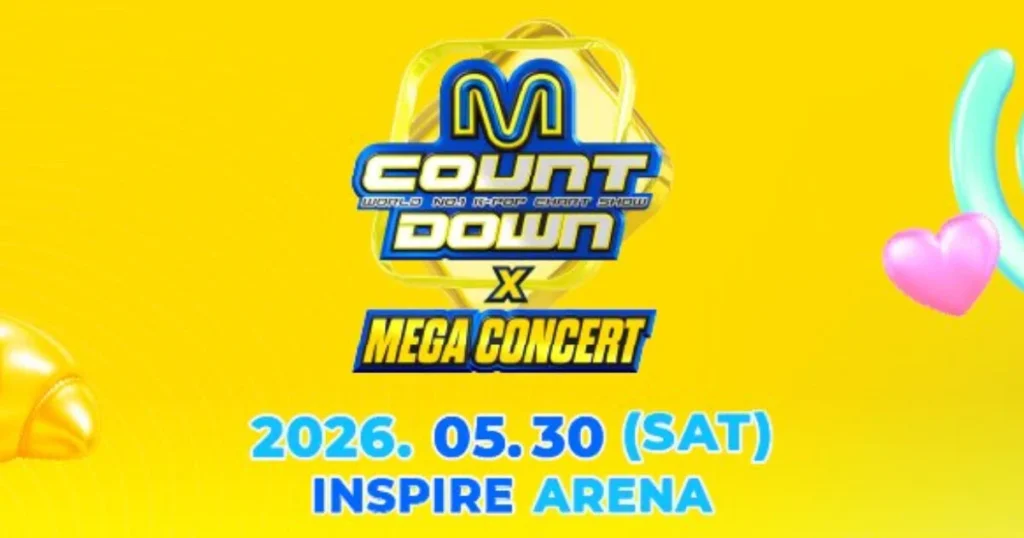
The issue first gained significant traction when a post titled “Mega Concert Twitter Under Fire Because The Singers’ Faces Look Weird” began circulating on theqoo. The post highlighted several screenshots from Mega MGC Coffee’s official Twitter (now X) account, where promotional posters featuring the concert lineup were uploaded. Upon closer inspection, fans noticed that the faces of the idols—who are often the primary draw for such large-scale events—appeared warped, blurred, and fundamentally altered from their actual likenesses. The resulting outcry has forced a conversation about the ethics of AI in entertainment marketing and the responsibilities of major corporations when representing public figures.
A Detailed Chronology of the Controversy
The timeline of the incident suggests a rapid escalation of public dissatisfaction. The M Countdown Mega Concert was initially announced as a high-profile collaboration between Mnet, a leader in music broadcasting, and Mega MGC Coffee, one of South Korea’s largest and most visible coffee franchises. Given the scale of the event, expectations for the promotional campaign were high.
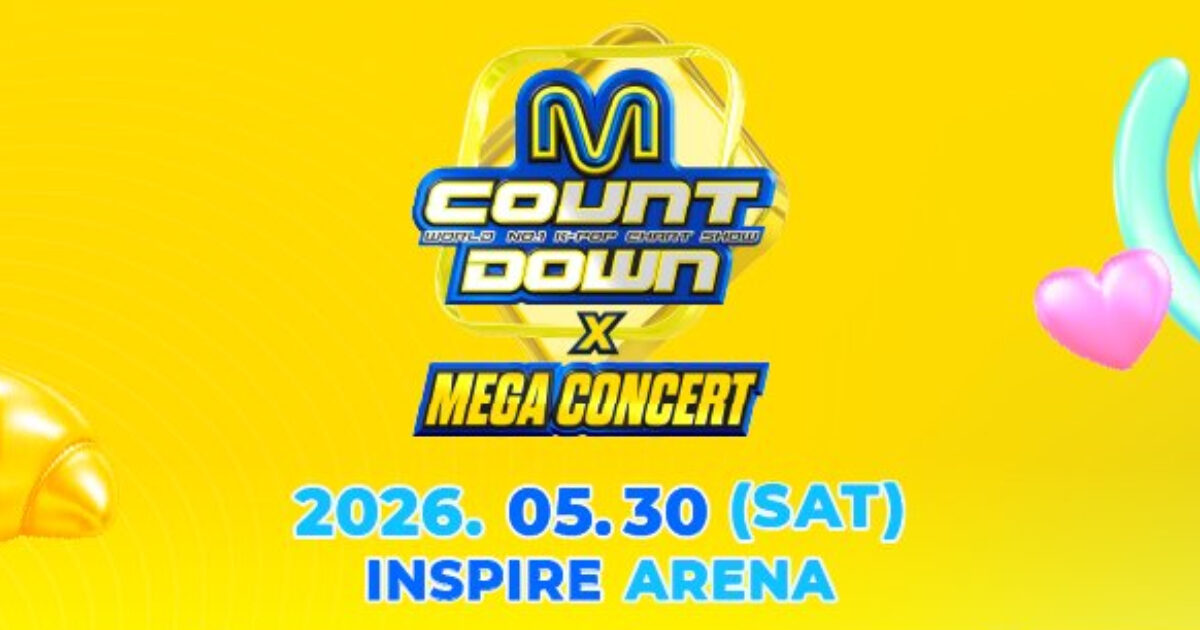
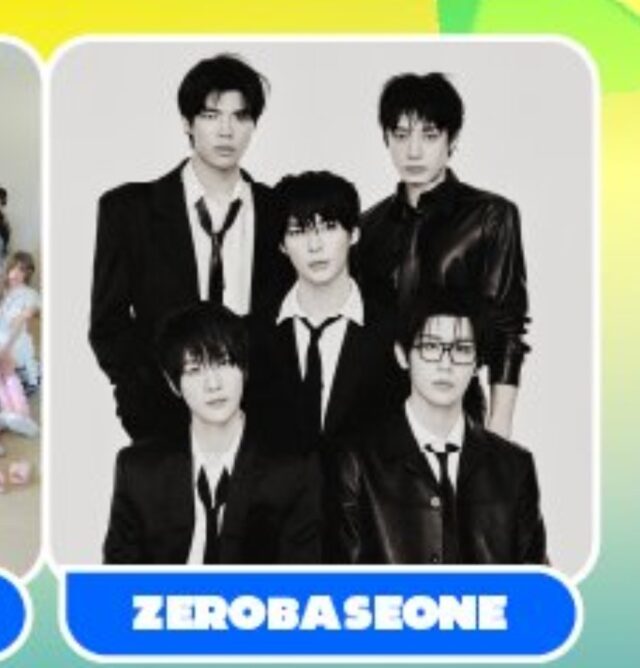
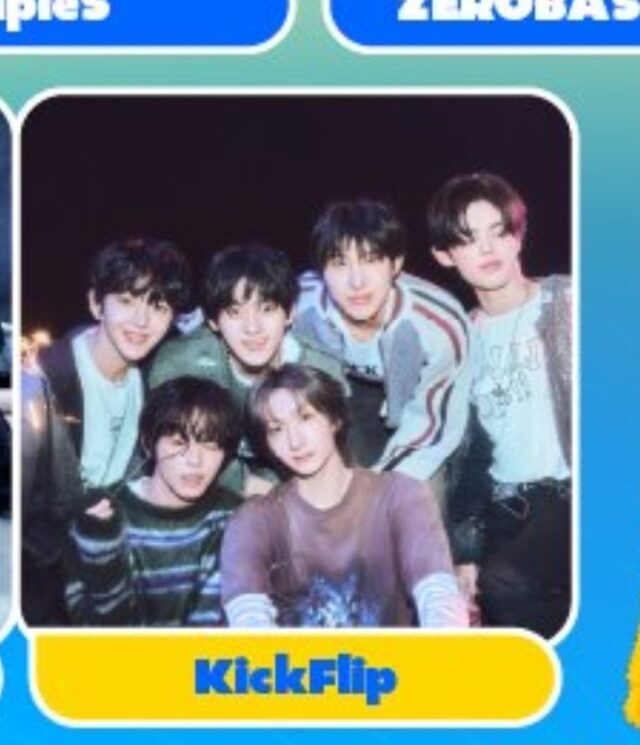
On the morning of May 30, 2026, Mega MGC Coffee released a series of digital posters on social media platforms to drive ticket sales and fan engagement. Within hours, K-Pop enthusiasts noticed that the images were not standard professional photographs. By mid-afternoon (KST), comparison threads began appearing on X and theqoo, where fans placed the promotional images side-by-side with official press photos of the artists. The discrepancies were undeniable: jawlines were unnaturally sharp or melted, eyes were asymmetrical, and skin textures appeared plasticine or "smeared," a hallmark of low-quality AI image generation often referred to in digital circles as "AI slop."
By the evening of May 30, the topic had become a trending discussion point. Netizens questioned whether the distortions were the result of an unfortunate technical error, a cost-cutting measure involving AI tools, or, more controversially, a deliberate attempt to alter the artists’ appearances. The lack of an immediate response from Mnet or Mega MGC Coffee only fueled the fire, leading to a surge of critical commentary directed at the production teams responsible for the campaign.
Technical Analysis: AI Generation or Human Error?
The primary point of contention among fans and digital art experts is the source of the distortion. Many observers have pointed toward the use of "Generative Fill" or "AI Upscaling" tools, which have become increasingly common in graphic design suites like Adobe Photoshop. While these tools are designed to streamline the editing process—such as expanding backgrounds or enhancing low-resolution images—they are notorious for "hallucinating" details when applied to human faces.

In the case of the Mega Concert posters, the artifacts present are consistent with AI hallucinations. These include:
- Anatomical Inconsistencies: Facial features that do not align with the bone structure of the actual person.
- Blending Issues: Hair that merges into skin or clothing in a way that traditional digital airbrushing would rarely produce.
- Resolution Mismatch: Backgrounds that appear crisp while the primary subjects (the idols) suffer from a strange, oily blur.
Critics argue that if AI was used, it was implemented without the necessary human oversight. In a professional setting, especially one involving high-profile celebrities, every asset is typically expected to pass through multiple levels of approval, including the artists’ respective agencies. The fact that these images reached the public domain suggests a breakdown in the standard verification pipeline.
Public Reaction and Fan Sentiment
The reaction from the K-Pop community has been characterized by a mixture of humor, confusion, and genuine anger. K-Pop is an industry where visual identity is paramount; idols and their agencies spend years cultivating a specific image. To have that image distorted in an official capacity is seen by many as a sign of disrespect.
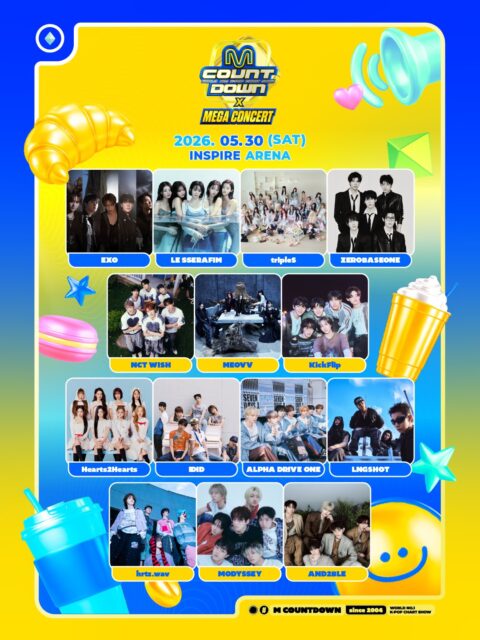
One netizen’s comment, “What are they even doing at work?” encapsulated the frustration of many who feel that the prestige of M Countdown is being undermined by subpar marketing. Others have raised the question of "malicious intent," wondering if a disgruntled employee or a third-party contractor intentionally sabotaged the images. While the "malice" theory is less supported by evidence than the "AI negligence" theory, the fact that it is being discussed at all highlights the level of distrust currently felt by the audience.
Fans of specific groups featured in the lineup have been particularly vocal. Many have called for the immediate removal of the posters and a formal apology to the artists involved. The sentiment is that if a company as large as Mega MGC Coffee can afford to sponsor a "Mega Concert," they should be able to afford a professional graphic design team that does not rely on unvetted AI outputs.
The Role of Corporate Responsibility and Quality Control
The controversy places both Mnet and Mega MGC Coffee in a difficult position. For Mnet, M Countdown is a flagship brand with global recognition. Associating the program with low-quality or "creepy" imagery risks damaging its reputation as a premier destination for K-Pop performances. For Mega MGC Coffee, the sponsorship was intended to boost brand loyalty among younger demographics; however, the current backlash suggests the campaign may be having the opposite effect.
Industry analysts point out that this incident reflects a broader trend in the corporate world: the rush to integrate AI to save time and money. While AI can be a powerful tool, its use in "likeness-heavy" industries requires extreme caution. In South Korea, where "personality rights" (the right to control the commercial use of one’s name, image, and likeness) are taken very seriously, the unauthorized or negligent distortion of an idol’s face could potentially lead to legal friction between talent agencies and sponsors.
Broader Implications for the K-Pop Industry
The "Mega Concert" poster incident is not an isolated event but rather a symptom of a shifting landscape in media production. As generative AI becomes more accessible, the temptation for marketing departments to automate the creation of promotional assets grows. However, the K-Pop audience is famously detail-oriented. They are known for "detective work," often spotting minute details in music videos and teaser photos that others might miss. This makes the K-Pop sector a particularly risky environment for the "move fast and break things" approach often associated with AI implementation.
This controversy may serve as a turning point for how entertainment companies handle AI. It highlights the need for:
- Strict AI Disclosure: Clear guidelines on when and how AI is used in promotional materials.
- Mandatory Agency Approval: Ensuring that every edited image of an artist is vetted by their management to ensure the likeness is preserved.
- The Value of Human Artistry: A renewed appreciation for professional photographers and editors who understand the nuances of human anatomy and brand identity.
Looking Forward: The Future of the Mega Concert
As of the latest reports, neither M Countdown nor Mega MGC Coffee has issued a comprehensive statement or a "corrected" version of the promotional materials. The posters remain a subject of scrutiny, and the discussion continues to evolve on social media. The success of the "Mega Concert" itself—scheduled to take place following this promotional cycle—may now be overshadowed by the conversation regarding its marketing.
If the companies involved choose to ignore the outcry, they risk a "protest" atmosphere at the event, where fans may bring up the issue through banners or social media campaigns during the live broadcast. Conversely, a swift admission of the error and a re-release of high-quality, human-verified images could mitigate the damage and restore fan confidence.
Ultimately, the M Countdown Mega Concert controversy serves as a cautionary tale for the digital age. It demonstrates that while technology can enhance productivity, it cannot replace the human eye for detail, the respect for an artist’s identity, and the professional standards that fans expect from the world’s leading music platforms. Whether the distortion was "AI slop" or "malicious," the lesson remains the same: in the high-stakes world of K-Pop, quality is not optional.
Related News