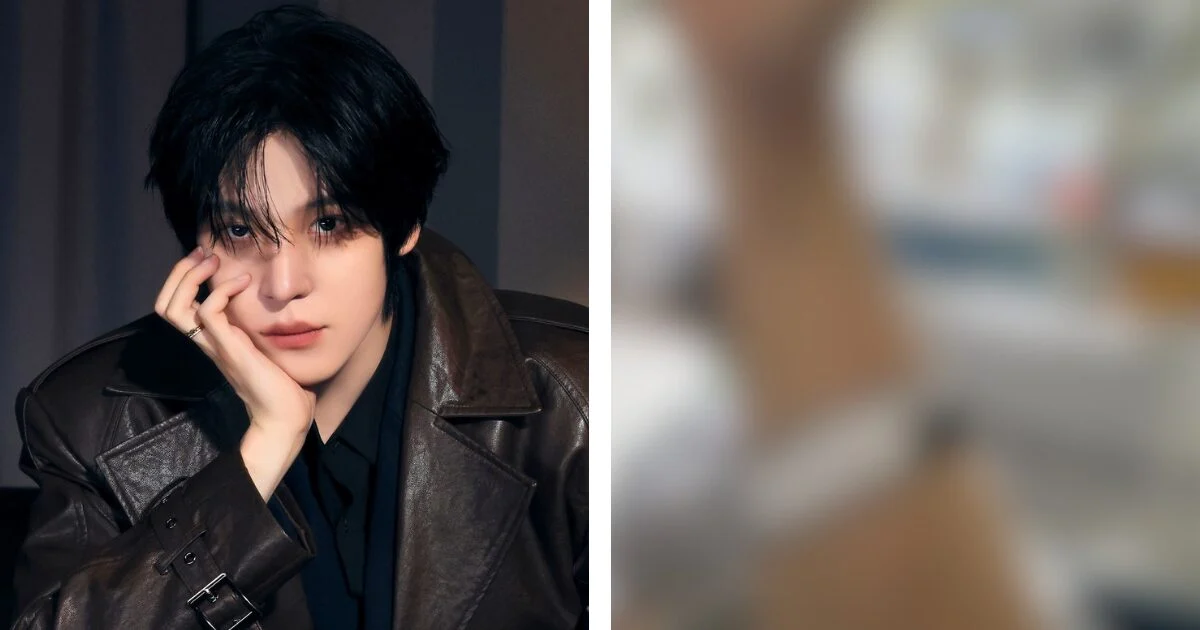
Reports surfaced on July 11, 2026, indicating that Yunho, a prominent member of the popular K-pop group ATEEZ, had recently ended a long-term relationship. This personal news, typically a private matter, quickly escalated into a public spectacle following the emergence of an alleged social media post from his former girlfriend. The post, which swiftly went viral across online platforms, contained serious claims against Yunho and disturbingly concluded with an implication of self-harm, triggering widespread debate among netizens and raising significant concerns about mental health and the intense pressures within the K-pop industry.
The Unfolding Controversy: ATEEZ’s Yunho at the Center of Relationship Speculation
The initial news of ATEEZ Yunho’s breakup was met with a mix of surprise and discussion, given the generally secretive nature of idol relationships in the K-pop world. However, the situation dramatically intensified when a lengthy online statement, purportedly authored by Yunho’s ex-girlfriend, began circulating. This post detailed aspects of their alleged long-term relationship, made various accusations against the idol, and, most critically, ended with a deeply troubling suggestion of suicidal ideation. The gravity of these claims, particularly the mental health implications, immediately shifted the narrative from a simple relationship announcement to a complex and sensitive public discourse.
Background: ATEEZ and the K-Pop Idol Landscape
Jeong Yunho, known professionally as Yunho, is a key member of ATEEZ, an eight-member boy group formed by KQ Entertainment. Since their debut in 2018, ATEEZ has garnered significant global recognition, known for their powerful performances, unique musical concept, and dedicated fanbase, ATINY. The group has consistently charted high on international music rankings and embarked on successful world tours, solidifying their position as one of the leading acts of their generation.
The K-pop industry operates under a unique set of expectations, particularly concerning the personal lives of its idols. A pervasive culture of maintaining an "ideal" image often leads to strict regulations or unspoken rules regarding dating. Idols are frequently encouraged, if not mandated, to present themselves as available and dedicated solely to their fans, fostering intense parasocial relationships. News of an idol dating, let alone a breakup, can often lead to significant fan reactions, ranging from disappointment to outright condemnation, impacting the idol’s career and mental well-being. This highly scrutinized environment creates immense pressure on idols to keep their personal relationships private, and any breach of this privacy can result in substantial public and professional fallout.
A Detailed Chronology of Events
The timeline of this unfolding situation developed rapidly:
- Early July 11, 2026 (KST): Initial reports began circulating across various K-pop news outlets and social media platforms, suggesting that ATEEZ’s Yunho had recently ended a long-term romantic relationship. These reports were largely speculative, based on unconfirmed sources.
- Later on July 11, 2026 (KST): A social media post, alleged to be from Yunho’s ex-girlfriend, went viral. The post, written in Korean, shared personal details about their relationship, made claims of mistreatment, expressed deep emotional distress, and concluded with a concerning statement implying self-harm. The precise platform where the post originated was not immediately clear, with some referring to it as a "vlog post" while others described it as a written statement.
- Hours Following the Post’s Virality: Netizens began actively debating the veracity and implications of the ex-girlfriend’s statement. Screenshots and translations of the post were widely shared, leading to an explosion of reactions across X (formerly Twitter) and other online communities.
- Ongoing Discussions (July 11-12, 2026): The debate quickly bifurcated into two main camps: those harshly criticizing the ex-girlfriend and Yunho, and those offering more nuanced perspectives, expressing sympathy for both parties and critiquing the K-pop idol system itself. Mental health professionals and advocates also weighed in, highlighting the serious nature of the self-harm implication.
The Viral Social Media Post: Claims and Concerns
The alleged ex-girlfriend’s post was the catalyst for the widespread controversy. While the full content has not been officially verified, circulating translations indicate several key elements:
- Long-Term Relationship: The post implied a significant history together, suggesting the relationship was not a fleeting encounter but a deeply intertwined part of their lives.
- Allegations of Misconduct: While specific details remain vague in public discourse, the post reportedly included claims of Yunho’s "actions" that led to their breakup and her subsequent distress. These claims contributed to the "exposing" narrative circulating online.
- Blame Towards Fans: A particularly contentious aspect of the post was the implied or explicit blame directed at fans, suggesting that fan culture or the demands of idol life contributed to the relationship’s demise. This ignited strong reactions from ATINY.
- Implication of Self-Harm: The most alarming part of the post was its conclusion, which carried a grave implication of suicidal intent. This aspect immediately elevated the discourse beyond mere celebrity gossip, prompting urgent calls for mental health support and responsible reporting. The sensitivity surrounding this element cannot be overstated, underscoring the potential real-world consequences of online actions and public scrutiny.
Divergent Fan and Netizen Reactions
The public response to the alleged breakup and the ex-girlfriend’s post was highly polarized, reflecting the complex dynamics of K-pop fandom and online discourse.
-
Harsh Criticisms and Online Backlash: A significant portion of initial reactions demonstrated harsh perspectives. Many netizens directed severe criticism towards the alleged ex-girlfriend, questioning her mental stability and accusing her of seeking attention or attempting to damage Yunho’s career. Comments often dismissed her emotional state, using derogatory language and mocking her implied mental health struggles. Concurrently, Yunho also faced criticism from some who blamed him for allowing the situation to become public or for his alleged actions during the relationship. This segment of the public often showed little empathy, focusing instead on perceived transgressions or the disruption to the idol’s image.
- One common sentiment observed in online comments, translated from Korean, questioned the woman’s actions: "What kind of person would post something like this? Is she trying to ruin him?"
- Another typical reaction, reflecting a lack of sympathy, remarked, "She needs a reality check. Idols can’t have normal relationships."
-
Empathy, Mental Health Advocacy, and Industry Critique: Conversely, a substantial number of netizens and fans expressed more nuanced views, characterized by empathy and a critical examination of the broader context.
- Many conveyed genuine concern for the alleged ex-girlfriend’s mental health, acknowledging her visible distress and advocating for professional help. They argued that regardless of the relationship’s specifics, her implied self-harm was a serious cry for help that should not be dismissed or ridiculed. One prominent English comment stated, "ngl she needs a therapist, sorry the relationship didn’t work out but you chose to stay with a guy whose dream is to be an idol like…idk what to tell you. sucks for them both but she clearly has some unresolved mental issues, therapy would do her good."
- Simultaneously, there was a strong undercurrent of criticism directed at the K-pop idol system itself. Commenters highlighted the inherent toxicity of the industry’s approach to idol relationships, where privacy is non-existent, and idols are expected to maintain an unrealistic image. Many argued that the pressure from agencies and fans makes healthy, long-term relationships virtually impossible for idols, inevitably leading to heartbreak and public scandal. "I don’t necessarily think he did anything majorly wrong but his idol lifestyle and image maintenance itself is toxic to a relationship itself," one user noted.
- Others questioned the industry’s role in perpetuating the "untouched angels" facade for idols over 20, advocating for a more transparent and accepting culture regarding idols’ personal lives. A poignant sentiment captured this perspective: "whether it’s true or not, I can’t blame the girl, or even yunho. isn’t the real villain the industry that’s hellbent on showing 20+ idols as untouched angels? of course it’s normal to be in relationship, why can’t they show it to the public?" These reactions underscore a growing desire among some fans for a more humane and realistic approach to idol management, prioritizing their mental well-being and right to a private life.
The Silence of KQ Entertainment: Industry Standard or Strategic Choice?

As of the latest reports, KQ Entertainment, ATEEZ’s agency, has not issued an official statement regarding Yunho’s alleged breakup or the viral social media post. This silence is a common, though often frustrating, practice within the K-pop industry when faced with personal controversies involving their artists. There are several strategic reasons for an agency to remain silent:
- Avoiding Legitimation: Responding to unverified claims, especially those originating from an alleged ex-partner on social media, can inadvertently lend credibility to the accusations. Agencies often prefer not to engage, hoping the controversy will naturally dissipate.
- Protecting Privacy: Even if the reports are true, agencies might opt to protect the artist’s privacy by not commenting on personal relationship matters, which are considered outside their professional scope.
- Damage Control: A premature or poorly worded statement can exacerbate a situation. Agencies typically assess the public sentiment and potential legal implications before deciding on a course of action, if any.
- Focus on Group Activities: ATEEZ is an active group, and agencies usually aim to redirect focus back to the group’s music and performances rather than personal scandals of individual members.
While silence can be a strategic choice, it often leaves fans feeling anxious and uninformed, further fueling speculation and online debates. The lack of an official stance means that the narrative remains largely shaped by unverified online posts and public interpretation.
Broader Implications for Idols, Fandoms, and the K-Pop Industry
The Yunho situation, while specific to one idol, highlights several broader issues prevalent in the K-pop landscape:
- Idol Mental Health: The immense pressure to maintain a perfect image, coupled with constant public scrutiny and fan expectations, takes a significant toll on idols’ mental health. This incident serves as a stark reminder of the emotional burden they carry, often in silence.
- Non-Celebrity Mental Health: The controversy also spotlights the precarious position of non-celebrities who enter into relationships with idols. When these relationships end, they can be thrust into the public eye without warning or protection, facing intense cyberbullying and mental distress, as potentially evidenced by the alleged ex-girlfriend’s post.
- The Ethics of Publicizing Private Lives: The rapid spread of deeply personal and potentially distressing information online raises ethical questions about privacy in the digital age, the role of media, and the responsibility of netizens in sharing such content.
- Fan Culture Evolution: The mixed reactions from ATINY and the wider K-pop fandom indicate a gradual shift. While harsh criticism still exists, there is a growing segment of fans who advocate for empathy, mental health awareness, and a more critical perspective on the idol system’s demands. This internal debate within fandoms is crucial for the future direction of K-pop culture.
- Industry Reform: Incidents like this often reignite discussions about the need for greater transparency, better mental health support systems for idols, and a re-evaluation of the strict dating policies that contribute to such controversies. Agencies may face increased pressure to adapt their management strategies to better protect their artists’ personal lives and mental well-being.
Ultimately, the controversy surrounding ATEEZ’s Yunho’s alleged breakup transcends a mere celebrity gossip story. It serves as a poignant illustration of the complex interplay between idol life, fan culture, mental health, and the ever-present scrutiny of the digital age, prompting reflection on the responsibilities of all parties involved.
Navigating Mental Health in the Public Eye: A Crucial Reminder
The serious nature of the self-harm implication within the alleged social media post from Yunho’s ex-girlfriend underscores the critical importance of mental health awareness and support. Such public displays of distress, regardless of their context, should be met with compassion and a commitment to providing resources rather than judgment.
If you or someone you know is struggling with depression or has had self-harming thoughts, do not hesitate to reach out for help. Confidential support is available for people in distress. The Lifeline provides free and confidential support, prevention, and crisis resources for you or your loved ones, and best practices for professionals. If you’re thinking about suicide, are worried about a friend or loved one, or would like emotional support, the Lifeline network is available 24/7. In the US, the National Suicide Prevention Lifeline’s # is 988, OR you can call 1-800-273-8255. Crisis Text Line can be reached by texting HOME to 741741 (US), 686868 (Canada), or 85258 (UK). For international resources, please search for your local mental health crisis hotlines.