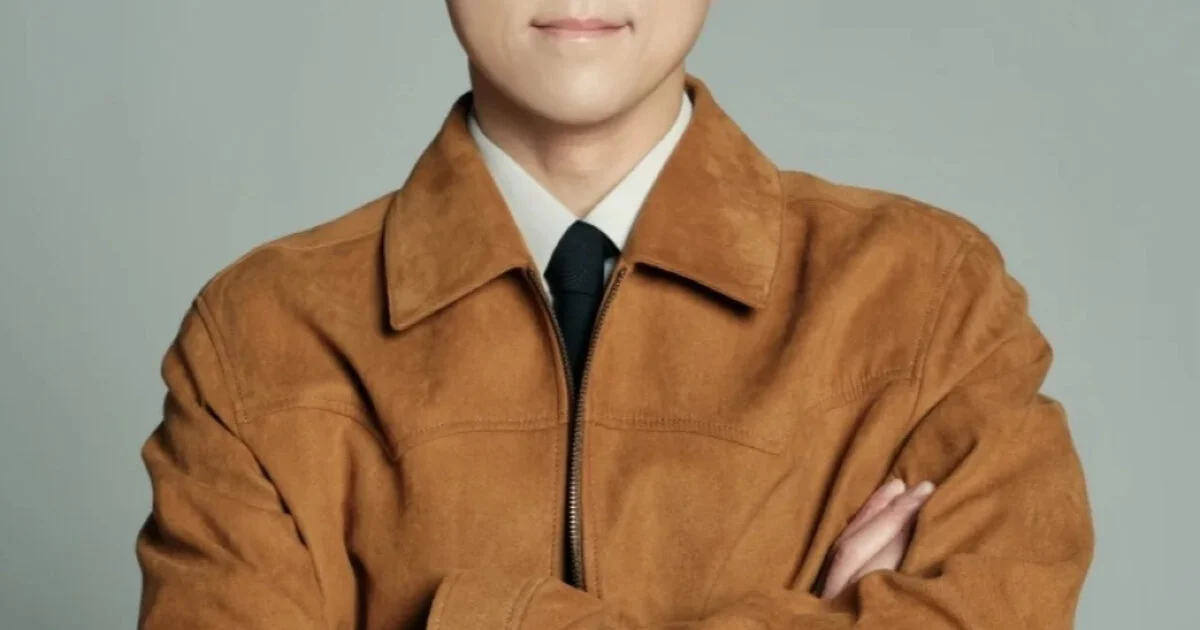
SEOUL, South Korea – Renowned Korean actor Choi Sung Won recently made a poignant appearance on the KBS 2TV variety program Happy Together – Glad I’m Not Alone, where he openly shared the profound emotional and physical toll of his protracted battle with acute leukemia, moving both the cast and viewers to tears. The highly anticipated episode, scheduled to air on August 7th, features Choi Sung Won alongside his longtime friends, fellow actors Park Hae Soo, Lim Cheol Soo, and Park Jae Yoon, offering an intimate glimpse into his challenging journey and the steadfast support system that sustained him.
A Candid Revelation on ‘Happy Together’
The preview for the upcoming broadcast depicted a deeply emotional moment as Choi Sung Won recounted the harrowing experience of confronting a life-threatening illness not once, but twice. The program’s MC, Jang Hang Jun, approached the sensitive topic with notable caution and empathy, referencing past media reports about Choi Sung Won’s health struggles that coincided with a significant upswing in his professional career. "There was an article about Choi Sung Won being sick when his work was doing very well," Jang Hang Jun stated, setting the stage for the actor’s candid confession.
Choi Sung Won then delved into the specifics of his ordeal, articulating the immense pain and difficulty he endured. "I was sick in 2016, and then it relapsed. It was extremely difficult," he revealed, his voice laden with emotion. The gravity of his words was underscored by his subsequent statement: "It was to the point where I didn’t want to think about it again." As he spoke, his eyes welled up with tears, a raw display of vulnerability that resonated deeply with the audience and garnered widespread sympathy. This public disclosure highlights the courage required for public figures to share such personal battles, often serving as a beacon of hope and understanding for countless others facing similar health challenges.
The Initial Diagnosis and Public Concern (2016)
Choi Sung Won’s initial diagnosis of acute leukemia in 2016 sent shockwaves through the South Korean entertainment industry and among his dedicated fanbase. At the time, he was enjoying a peak in his career, having garnered significant recognition for his role in the critically acclaimed and immensely popular television series Reply 1988. His portrayal of Sung No Eul, the younger brother of the protagonist, had earned him widespread praise for his nuanced performance, showcasing his versatility and endearing charm. The news of his sudden illness forced him to immediately suspend all professional activities, including his participation in the JTBC drama Mirror of the Witch, to undergo urgent and intensive medical treatment.
Acute leukemia, a cancer of the blood and bone marrow, progresses rapidly and requires prompt intervention. Treatment typically involves aggressive chemotherapy regimens aimed at destroying cancerous cells and achieving remission. The initial phase of treatment is often grueling, marked by severe side effects such as fatigue, nausea, hair loss, and increased susceptibility to infections, necessitating prolonged hospitalization and vigilant medical care. Choi Sung Won’s sudden withdrawal from the public eye underscored the severity of his condition, prompting an outpouring of support from colleagues, friends, and fans who closely followed updates on his health. The entertainment industry, known for its demanding schedules and competitive environment, often sees its members push physical limits, making stories of health crises particularly impactful.
A Period of Remission and Hopeful Comeback (2018)
Following a rigorous period of treatment, Choi Sung Won achieved remission, a state where the signs and symptoms of cancer are reduced or absent. This positive development allowed him to gradually resume his acting career. In 2018, two years after his initial diagnosis, he made a triumphant comeback, signaling a hopeful return to the industry he loved. His resilience and determination to overcome such a formidable illness were widely lauded, inspiring many and reaffirming his status as a beloved public figure. His return to various projects, though cautious, was met with enthusiasm, representing not just a professional resurgence but a personal victory against adversity. This period of remission offered a glimpse into the possibility of a full recovery, providing a sense of relief and optimism for all who followed his journey.
The Devastating Relapse and Intensive Treatment (2020)
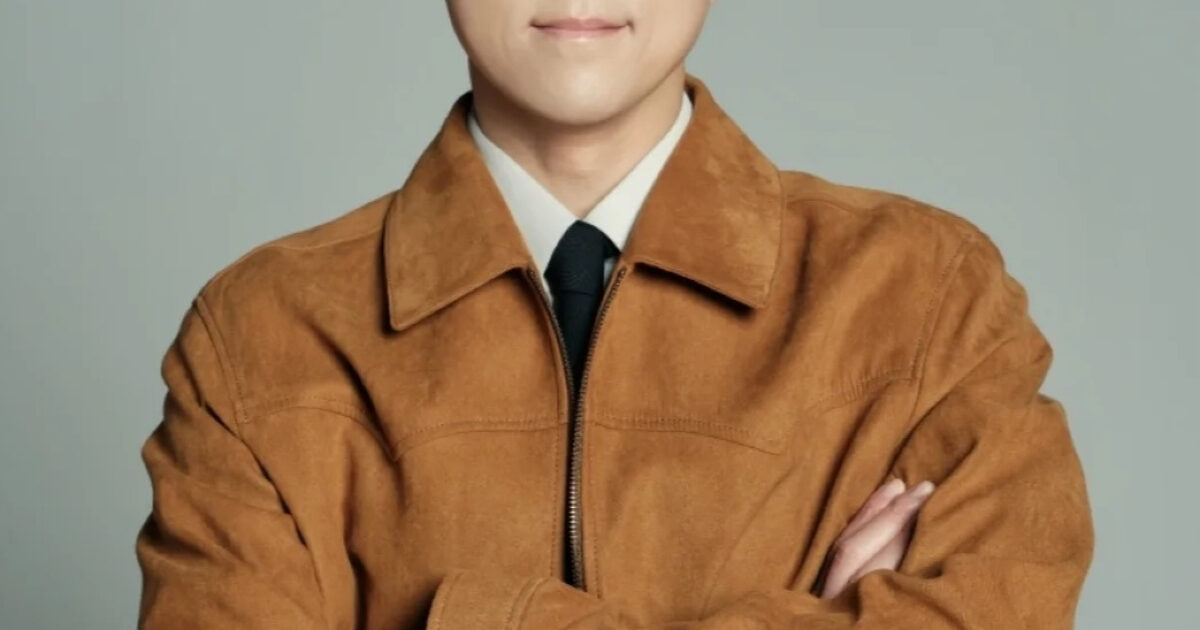
However, the shadow of illness loomed again. Just two years after his hopeful return, in 2020, Choi Sung Won experienced a devastating relapse. A cancer relapse signifies the return of the disease after a period of remission, often presenting a more complex and challenging treatment landscape. For patients with acute leukemia, a relapse can be particularly disheartening, as it indicates that residual cancer cells survived the initial therapy or that new mutations have emerged, rendering previous treatments less effective.
The news of his relapse was a profound blow, not only to Choi Sung Won and his family but also to his supporters who had rejoiced in his earlier recovery. This recurrence necessitated an even more aggressive and specialized form of treatment: a bone marrow transplant. A bone marrow transplant, also known as a hematopoietic stem cell transplant, is a complex medical procedure used to replace damaged or diseased bone marrow with healthy blood stem cells. It is often a last resort for patients with certain types of leukemia who have relapsed or whose disease is refractory to conventional chemotherapy.
The process of a bone marrow transplant involves several critical stages: high-dose chemotherapy or radiation to eradicate remaining cancer cells and suppress the immune system (conditioning regimen), followed by the infusion of healthy stem cells (either from a donor or the patient’s own previously harvested cells). The recovery period is extensive and fraught with risks, including graft-versus-host disease (GVHD), infections due to a compromised immune system, and organ damage. Choi Sung Won’s journey through this intense phase of treatment underscored the extraordinary physical and mental fortitude required to navigate such a severe medical challenge. He spent another two years undergoing this "long treatment," highlighting the extended duration and demanding nature of such advanced medical interventions.
Medical Insights into Acute Leukemia and Relapse
Acute leukemia, particularly acute myeloid leukemia (AML) and acute lymphoblastic leukemia (ALL), are characterized by the rapid production of abnormal white blood cells in the bone marrow, which interferes with the production of healthy blood cells. According to the National Cancer Institute, while advancements in treatment have significantly improved survival rates, particularly for children with ALL, adult leukemia remains a formidable challenge. The five-year survival rate for acute leukemias varies widely depending on the specific subtype, age, and overall health of the patient, but generally ranges from 20-70%.
Relapse in acute leukemia is a critical concern for oncologists. It occurs in a significant percentage of patients, even after achieving initial remission. Factors influencing relapse include the specific genetic mutations of the cancer cells, the patient’s age, and their response to initial therapy. When a relapse occurs, treatment strategies often shift to more intensive chemotherapy regimens, targeted therapies, or, as in Choi Sung Won’s case, allogeneic bone marrow transplantation (using donor cells). This procedure offers the best chance for long-term survival in relapsed acute leukemia but carries substantial risks and demands a lengthy recovery period, typically involving months of isolation and meticulous monitoring to prevent complications. The emotional toll of a relapse cannot be overstated, often leading to feelings of despair, anxiety, and a profound sense of loss of control.
The Road to Recovery and Resilience
After an arduous two-year period following his bone marrow transplant, Choi Sung Won was finally declared fully cured. This declaration represents a monumental achievement, a testament to his unwavering spirit, the dedication of his medical team, and the power of advanced medical science. The journey to being "fully cured" after a bone marrow transplant often involves rigorous post-transplant care, including immunosuppressive medications, frequent check-ups, and a gradual return to normal activities. For many, the psychological recovery is as crucial as the physical one, as survivors grapple with the lingering anxieties of recurrence and the long-term side effects of treatment.
Choi Sung Won’s ability to navigate these severe challenges and emerge victorious serves as a powerful narrative of resilience. His willingness to share his vulnerable moments, particularly the tears shed on Happy Together, humanizes the often-private struggles with serious illness. It underscores that even public figures, who often project an image of strength and invincibility, face profound personal battles that leave lasting emotional scars. His story provides a valuable perspective on the lived experience of cancer survivorship, highlighting not just the medical fight but also the psychological and emotional endurance required.

The Broader Impact on Public Health Awareness
Choi Sung Won’s candid confession on a prominent national television show carries significant implications for public health awareness in South Korea and beyond. By openly discussing his battle with leukemia, he contributes to destigmatizing serious illnesses and encourages a more open dialogue about health challenges. In many societies, discussions about cancer and other life-threatening diseases can be shrouded in fear or silence. Public figures who share their experiences can break down these barriers, fostering greater understanding and empathy.
His story can prompt viewers to consider their own health, emphasize the importance of early diagnosis, and raise awareness about specific conditions like acute leukemia. It also sheds light on the realities of long-term treatment and the potential for relapse, educating the public that remission is not always the end of the battle. Such narratives can empower patients and their families by providing relatable experiences and demonstrating that recovery, even after significant setbacks, is possible. Furthermore, his account could encourage greater support for medical research and patient advocacy groups dedicated to fighting cancer.
The Entertainment Industry’s Perspective on Health
The South Korean entertainment industry is notoriously demanding, with intense competition, long working hours, and immense pressure to maintain a flawless public image. Stories like Choi Sung Won’s highlight the often-hidden toll these pressures can take on an individual’s health. His illness forced a complete halt to his career at its zenith, demonstrating that even immense professional success can be overshadowed by personal health crises.
His journey also reflects a gradual shift in how the industry and public perceive artists’ health. While there was once a tendency for celebrities to keep health struggles private, there’s a growing trend towards greater transparency, often driven by a desire to connect with fans on a deeper level and advocate for important causes. This openness, exemplified by Choi Sung Won, can foster a more supportive environment within the industry, encouraging artists to prioritize their well-being and seek help when needed, without fear of career repercussions. It also educates the public about the human cost behind the glamorous facade of celebrity life.
The Power of Friendship and Support
The upcoming Happy Together episode, featuring Choi Sung Won alongside his close friends Park Hae Soo, Lim Cheol Soo, and Park Jae Yoon, also underscores the invaluable role of a strong support system during times of crisis. These friendships, forged over years, likely provided crucial emotional sustenance throughout his challenging medical journey. For individuals battling severe illnesses, the unwavering support of friends and family can be as vital as medical treatment. It offers comfort, reduces feelings of isolation, and provides practical assistance, helping patients navigate the immense physical and psychological burdens of their condition.
The program’s title, "Glad I’m Not Alone," perfectly encapsulates this theme, emphasizing the strength derived from shared experiences and mutual support. Such portrayals on national television highlight the universal human need for connection and solidarity, particularly when confronting life’s most formidable obstacles. Choi Sung Won’s willingness to be vulnerable in front of his friends and a national audience serves as a testament to the profound impact of genuine human connection in the face of adversity. His story, deeply personal yet universally resonant, continues to inspire and educate, reminding everyone of the fragility of life, the power of resilience, and the enduring strength of the human spirit.