
The 64th Miss Universe pageant, held on December 20, 2015, at the Planet Hollywood Resort and Casino in Las Vegas, secured its place in television history following a high-profile announcement error by host Steve Harvey. While the immediate aftermath of the ceremony was dominated by discussions regarding the accidental crowning of Miss Colombia Ariadna Gutiérrez and the subsequent correction that named Miss Philippines Pia Wurtzbach as the true winner, a secondary narrative soon emerged within the digital sphere. Shortly after her victory, social media archives revealed that Wurtzbach was a dedicated enthusiast of South Korean pop music, specifically a "stan" of the veteran boy band Super Junior. This revelation not only humanized the newly crowned queen but also highlighted the expansive reach of the Hallyu wave, or Korean Wave, within the Philippines and the global community.
The Historic Crowning Incident and Its Aftermath
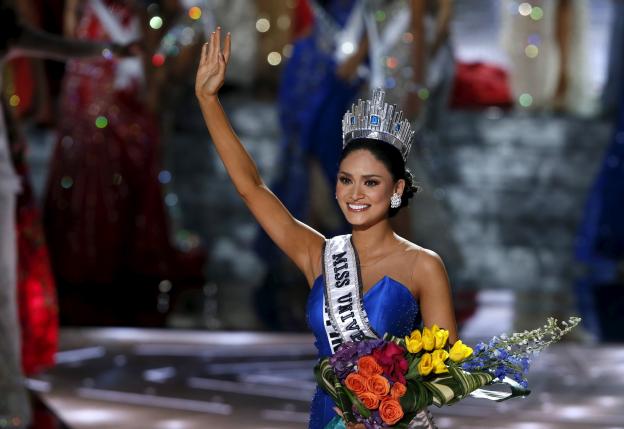
The Miss Universe 2015 finale concluded with a moment of unprecedented confusion that garnered global headlines. During the live broadcast, comedian and host Steve Harvey mistakenly announced Miss Colombia, Ariadna Gutiérrez, as the winner. Gutiérrez was crowned, given the bouquet, and performed the traditional walk as the reigning Miss Universe for several minutes. However, Harvey returned to the stage to clarify that he had misread the results card. He announced that Gutiérrez was actually the first runner-up and that Pia Wurtzbach of the Philippines was the winner of the 2015 title.
The correction resulted in a palpable sense of shock among the contestants and the audience. Paulina Vega, Miss Universe 2014, was tasked with the delicate duty of removing the crown from Gutiérrez and placing it on Wurtzbach. The event immediately went viral, generating millions of tweets and sparking debates regarding pageant protocols and live television production. In the days following the event, as the international media scrutinized the error, Filipino netizens and K-pop fans globally began exploring Wurtzbach’s social media history, discovering a long-standing passion for Korean entertainment that resonated with millions of fans worldwide.
Discovery of the "ELF" Identity: Wurtzbach’s Social Media History
The intersection of beauty pageantry and K-pop fandom became a focal point when fans unearthed tweets from Wurtzbach’s official Twitter account dating back to 2009 and 2011. These posts revealed that the Miss Universe winner was a self-proclaimed "ELF" (Ever Lasting Friend), the official name for fans of the South Korean group Super Junior.
In several archived posts, Wurtzbach expressed admiration for Choi Siwon, a prominent member of Super Junior known for his roles in both music and television. One particular tweet from 2009 saw Wurtzbach jokingly referring to herself as "Mrs. Siwon Choi," a common sentiment expressed by fans within the K-pop community. Other posts mentioned her enjoyment of the group’s music and her excitement regarding their performances.
For the K-pop community, this discovery was significant. It bridged the gap between the niche, often misunderstood world of idol fandom and the prestigious, mainstream platform of international beauty pageants. The revelation served as a testament to the longevity of Super Junior’s influence and the deep-seated presence of Korean pop culture in the Philippines, which has long been one of the primary markets for Hallyu exports in Southeast Asia.
Chronology of Events: From the Pageant to the Viral Reveal
To understand the impact of these events, it is necessary to examine the timeline of Wurtzbach’s journey and the subsequent social media explosion:
- 2009–2011: Pia Wurtzbach, then an actress and model in the Philippines, actively tweets about her admiration for Super Junior and Choi Siwon, establishing her status as a K-pop fan.
- March 15, 2015: After three attempts at the national title, Wurtzbach is crowned Miss Universe Philippines (Binibining Pilipinas), earning the right to represent the country on the global stage.
- December 20, 2015: The Miss Universe 2015 pageant takes place. The Steve Harvey error occurs, and Wurtzbach is eventually crowned.
- December 21–23, 2015: Global media focuses on the "crowning fail." Simultaneously, Filipino fans begin sharing Wurtzbach’s old K-pop-related tweets.
- December 25, 2015: The news of Wurtzbach being a "Siwonest" (a sub-fandom for Siwon) reaches South Korean media outlets and K-pop news sites like Seoulbeats and Soompi.
- December 27, 2015: Choi Siwon himself acknowledges Wurtzbach’s victory on Instagram, congratulating her and inviting her to a future Super Junior "Super Show" concert.
The Cultural Significance of Hallyu in the Philippines
The discovery of Wurtzbach’s fandom is not an isolated incident but rather a reflection of the profound cultural impact of the Hallyu wave in the Philippines. Since the early 2000s, Korean dramas (K-dramas) and K-pop have maintained a dominant presence in Filipino media.
Data from various industry reports indicate that the Philippines consistently ranks among the top countries globally for K-pop-related social media activity. The success of groups like Super Junior, Girls’ Generation, and later BTS and BLACKPINK, was built on a foundation of early adopters like Wurtzbach. Super Junior, in particular, was one of the first K-pop groups to hold large-scale solo concerts in the Philippines, starting with "Super Show 2" in 2010.
Wurtzbach’s open "stanning" of the group during her formative years in the industry aligns with the broader demographic trends of the time. For many Filipinos, K-pop provided a new form of aspirational entertainment that blended high production values with relatable idol personalities. Wurtzbach’s transition from a fan to a global icon herself mirrored the growth of the Hallyu wave from a regional trend to a global phenomenon.
Official Responses and the "Siwon Invitation"
The story reached its peak when Choi Siwon, who was serving his mandatory military service at the time, took to his official Instagram account to address the new Miss Universe. Siwon posted a photo of himself in a tuxedo alongside a congratulatory message.
"Pia Alonzo Wurtzbach 🙂 Heartfelt Congratulations on your Miss Universe 2015 priority! And please be my guest for next SUPERSHOW! Looking forward to seeing you shining the world :^)," Siwon wrote.
The response from the K-pop star was viewed as a "full-circle" moment for Wurtzbach. It validated the dedication of fans who often face scrutiny or dismissal for their interests. The official Super Junior Twitter account also acknowledged the connection, further solidifying the bond between the pageant world and the music industry. This interaction highlighted the power of social media in facilitating direct engagement between global celebrities and their high-profile admirers.

Analysis of Implications: Fandom and Public Persona
The reaction to Wurtzbach’s K-pop fandom offers an interesting case study in the evolution of celebrity public personas. Historically, Miss Universe titleholders were expected to maintain a highly curated, often conservative image that focused on diplomacy and charitable works. While these remain core pillars of the organization, the digital age has allowed for a more multifaceted view of these women.
Wurtzbach’s refusal to delete her old tweets or distance herself from her "fan girl" past was met with widespread approval. It signaled a shift toward authenticity in the pageant industry. For the general public, seeing a Miss Universe winner express the same enthusiasm for a boy band as an average teenager made her more relatable and accessible.
Furthermore, the incident demonstrated the "archaeological" nature of social media. In the modern era, a public figure’s past digital footprint is perpetually accessible. While this often leads to controversy, in Wurtzbach’s case, it served to strengthen her brand by showing a consistent and genuine personality. It also illustrated how niche interests can become mainstream overnight when associated with a major global event.
Broader Impact on International Relations and Pop Culture
The intersection of the Miss Universe pageant and K-pop also had minor but notable implications for cultural diplomacy. The mutual appreciation between the Philippines and South Korea was reinforced by this event. It showcased how pop culture serves as a bridge between nations, creating shared experiences that transcend linguistic and geographical barriers.
In the years following her reign, Pia Wurtzbach has continued to be a prominent figure in the Philippines and abroad, often using her platform to advocate for HIV/AIDS awareness and disaster relief. However, her identity as a K-pop fan remains a beloved part of her public narrative. The "Siwon-Pia" interaction remains one of the most cited examples of a celebrity "fan success story," where a dedicated supporter eventually gains the recognition of their idol.
The 2015 Miss Universe pageant will likely always be remembered for Steve Harvey’s error. Yet, for a significant portion of the global audience, it is also remembered as the moment the world discovered that the most beautiful woman in the universe was, at her core, a dedicated K-pop fan. This convergence of pageantry and pop culture underscores the changing landscape of global celebrity, where traditional titles and modern fandoms coexist in a highly connected, digital-first world.