Beloved K-Drama’s Reputation Gets Destroyed By One Single Line Of Dialogue
Article Editorial Team
The drama, which had garnered considerable buzz prior to its premiere for its intriguing premise and stellar cast, now faces a stark reality where audience perception has sharply shifted from anticipation to widespread disapproval. The incident underscores a growing trend in K-drama consumption where discerning viewers, both domestic and international, are increasingly vocal about problematic content, pushing for greater sensitivity and nuance in storytelling.
The Genesis of the Controversy: A Line Too Far
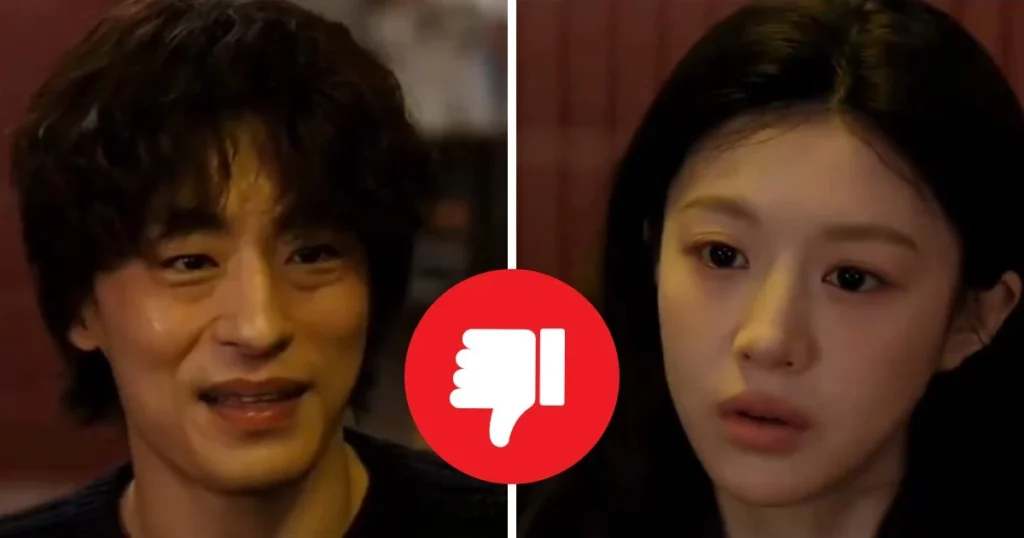
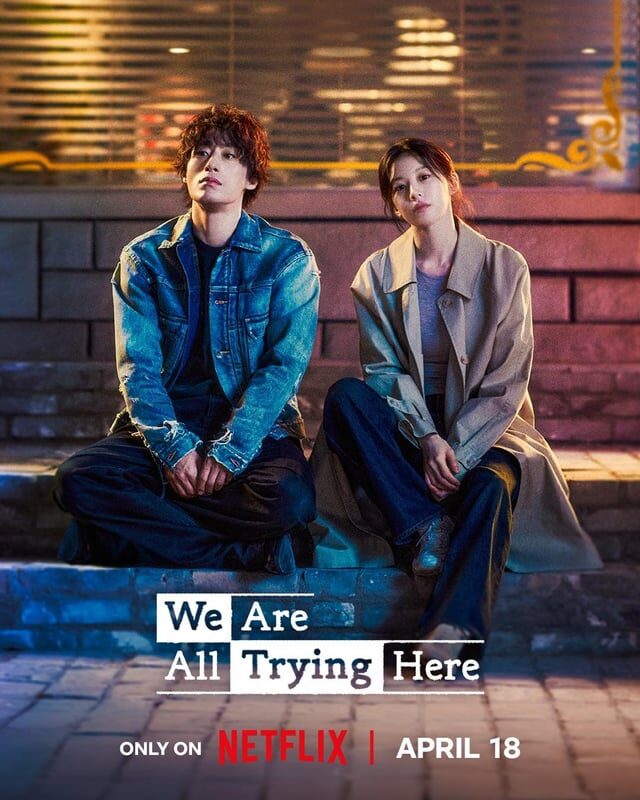
The focal point of the current outcry is a scene featuring the drama’s central romantic pairing: Eun Ah, a character portrayed by Go Youn Jung, in her 30s, and Dong Man, played by Koo Kyo Hwan, who is in his 40s. In a moment designed to showcase Eun Ah comforting Dong Man, the female lead utters the now infamous line: "You have the smell of a teenage boy about you, Director."

This particular piece of dialogue immediately struck a discordant note with a significant portion of the audience. While ostensibly intended to portray Dong Man’s innocence, vulnerability, or perhaps a youthful spirit despite his age, its literal interpretation quickly led to widespread discomfort. The phrase "smell of a teenage boy" carries connotations that many found unsettling, ranging from the literal bodily odors associated with adolescence, such as sweat or developing hormones, to an infantilizing quality that felt inappropriate for a man in his 40s, especially in a romantic context with a woman a decade younger.
Viral Outcry and Public Discomfort
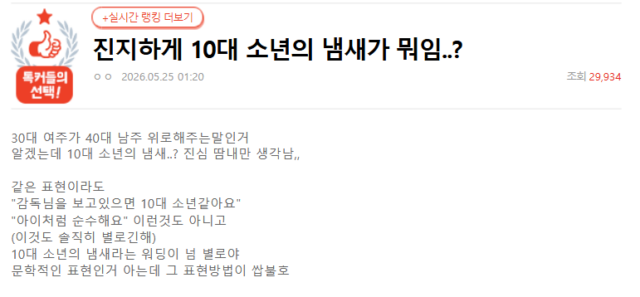
Almost immediately following the episode’s broadcast, a post on the popular South Korean online forum Pann went viral, articulating the widespread unease. The netizen behind the post expressed profound discomfort, stating, "I get that it’s the female lead in her 30s comforting the male lead in his 40s, but the smell of a teenage boy…? Honestly, all I can think of is the smell of sweat… Even with the same sentiment, something like ‘When I look at you, Director, you remind me of a teenage boy’ or ‘You’re pure like a child,’ not even that (which honestly wouldn’t be great either), but the specific wording of ‘the smell of a teenage boy’ is really off-putting. I know it’s meant to be a literary expression, but that way of putting it is a hard pass for me."
This post quickly accumulated thousands of likes and comments, with many viewers echoing the sentiment. Comments ranged from outright disgust to bewilderment at the writers’ choice of words. Users pointed out that while writers often aim for poetic or unconventional expressions to deepen character connections, this particular line missed the mark spectacularly, creating an unintended effect that bordered on creepy or even sexually suggestive in an uncomfortable, age-inappropriate manner. The perceived infantilization of an adult male lead by a younger female lead, coupled with a sensory description that evoked bodily scent, proved to be a highly problematic combination for the audience.

A Pattern of Questionable Intimacy: The "Creepy" Sweater Scene
This latest controversy is not an isolated incident for We Are All Trying Here. The drama had already faced significant backlash for an earlier scene described by many as "creepy." In that particular sequence, Eun Ah lifts her sweater and wraps Dong Man in it for a hug, a gesture intended to convey warmth and comfort. However, this scene was also met with criticism, with viewers finding the act too intimate and somewhat boundary-crossing given the stage of the characters’ relationship.
Critics argued that the gesture felt forced and potentially uncomfortable, particularly in light of the age difference between the characters. While some viewers might interpret such an act as endearing or uniquely affectionate, a substantial segment found it to be an overly aggressive display of intimacy that lacked the necessary build-up or context, especially from the female lead towards an older male in a position of authority (Director). This earlier incident established a precedent of the drama pushing boundaries in character interactions in ways that alienated rather than engaged its audience, setting the stage for the more recent, severe backlash.
Broader Context: Age Gaps and Evolving K-Drama Tropes
The controversies surrounding We Are All Trying Here highlight a critical juncture in K-drama storytelling, particularly concerning the portrayal of age-gap romances. While "noona romance" (older woman, younger man) and "ajusshi romance" (older man, younger woman) have long been popular tropes in South Korean entertainment, audience sensitivities and expectations have significantly evolved.
Traditionally, K-dramas have often romanticized significant age differences, with older male leads frequently paired with much younger female leads. However, with the global expansion of K-drama viewership and increased social awareness, what was once accepted or overlooked is now subjected to intense scrutiny. Viewers are increasingly critical of power imbalances, infantilization, and any narrative choices that might inadvertently promote uncomfortable or even predatory dynamics, regardless of the writers’ intent.
The "smell of a teenage boy" line, in this context, is particularly problematic. It not only infantilizes Dong Man but also projects a potentially discomforting layer onto his character. When coupled with the earlier "sweater hug" scene, a pattern emerges where the drama seems to be struggling to convey intimacy and affection in ways that resonate positively with a modern, discerning audience. Instead of creating a unique, heartwarming bond, these scenes have inadvertently generated unease and accusations of poor taste.
The Disconnect: Writer’s Intent vs. Audience Reception
It is plausible that the writers of We Are All Trying Here intended the controversial line to be a poetic or quirky expression of affection, highlighting Dong Man’s perceived innocence or perhaps his emotional fragility, likening it to the purity of youth. In some literary contexts, evoking the "smell" of something can be a powerful, if abstract, metaphor. However, in the realm of visual media, especially within a romantic drama, such a direct and sensory descriptor can be easily misinterpreted or found literally off-putting.

The challenge for screenwriters lies in translating abstract concepts into dialogue that is both impactful and universally understood without causing unintended offense. The current controversy serves as a stark reminder that what might seem like a creative flourish on paper can fall flat or even provoke a negative reaction when delivered by actors within a specific character dynamic. The age difference between Eun Ah and Dong Man, coupled with the context of a younger woman commenting on the "smell" of an older man like a "teenage boy," creates a complex dynamic where the line’s reception becomes overwhelmingly negative.
Industry Implications and Potential Responses
The backlash against We Are All Trying Here poses significant challenges for JTBC, the production company, and the creative team. In the highly competitive K-drama landscape, a damaged reputation can lead to a cascade of negative consequences, including:
- Decreased Ratings and Viewership: Negative buzz often translates to a drop in viewership, both domestically and internationally on platforms like Netflix, which can impact advertising revenue and future investment.
- Actor Backlash: While actors Go Youn Jung and Koo Kyo Hwan are merely performing their roles as written, such controversies can inadvertently affect their public image and future casting opportunities.
- Sponsorship Concerns: Brands that sponsor K-dramas are highly sensitive to public sentiment. A controversial drama might see a reduction in sponsorship interest or even withdrawals.
- Creative Scrutiny: The incident will likely prompt internal discussions within JTBC and the production company about script review processes, dialogue sensitivity, and the portrayal of character relationships, especially those with age gaps.
As of now, JTBC and the production team for We Are All Trying Here have not issued an official statement regarding the controversy. This silence, while common in the immediate aftermath of such incidents, can also be perceived negatively by a vocal audience demanding accountability or clarification. Industry observers suggest that a thoughtful response, even if it involves acknowledging the audience’s discomfort and promising greater sensitivity in future episodes, could go a long way in mitigating the damage. However, too often, production teams choose to weather the storm, hoping public attention will eventually shift.

The Power of the Audience in the Digital Age
This controversy is also a testament to the growing power of the audience in the digital age. Social media platforms and online forums like Pann have become critical spaces for viewers to collectively express their opinions, critique content, and exert pressure on media producers. What might have once been dismissed as niche complaints can now quickly snowball into widespread public outcry, forcing production companies and networks to pay attention.
The global reach of K-dramas further amplifies this phenomenon. International fans, often with diverse cultural backgrounds and social norms, contribute to a broader, more critical discourse, holding K-drama creators to increasingly high standards of storytelling, character development, and ethical representation. This global scrutiny means that tropes or narrative choices that might have been culturally acceptable in the past are now being re-evaluated through a wider lens.
Conclusion: A Wake-Up Call for K-Drama Production
The controversy surrounding We Are All Trying Here serves as a significant wake-up call for the entire K-drama industry. While creative freedom is paramount, it must be balanced with an acute awareness of audience sensibilities and the potential impact of dialogue and character interactions. The incident highlights the delicate line between creating unique, memorable moments and inadvertently alienating a significant portion of the viewership.
For a drama initially poised to be "beloved," its swift fall from grace due to a single line of dialogue and a previously criticized scene underscores the fragility of reputation in the fast-paced world of entertainment. Moving forward, K-drama writers, directors, and producers will need to exercise even greater caution and empathy in their storytelling, particularly when navigating complex character relationships and sensitive themes, to ensure that their creative expressions resonate positively and genuinely with their ever-growing, increasingly discerning global audience. The lessons learned from We Are All Trying Here will undoubtedly shape future discussions around scriptwriting, character development, and audience engagement within the dynamic landscape of South Korean television.
Related News