


The 2026 FIFA World Cup reached its peak on July 19 as the final match between Argentina and Spain took center stage at MetLife Stadium in East Rutherford, New Jersey. This high-stakes encounter, concluding a month-long tournament across North America, was not only a sporting milestone but also a significant cultural event, featuring a highly anticipated halftime performance by the global K-pop sensation BTS. However, the lead-up to the final was marked by a polarizing social media controversy involving the Argentina National Football Team’s official English-language account and the BTS fan base, known as ARMY. The friction arose following a promotional post that parodied BTS’s recent creative work, igniting a complex debate involving issues of racism, sportsmanship, and the intersection of global music and professional athletics.
The 2026 FIFA World Cup Context and BTS Involvement
The 2026 FIFA World Cup stands as a historic edition of the tournament, being the first to feature 48 teams and the first to be hosted by three nations: the United States, Mexico, and Canada. As the final match approached, the eyes of the world were on MetLife Stadium, a venue with a capacity of over 80,000, which has become a symbol of the tournament’s grand scale. To match the magnitude of the event, FIFA collaborated with HYBE and BIGHIT MUSIC to secure BTS for an 11-minute halftime show.
BTS, currently in the midst of their highly successful "Arirang" world tour, arrived at the stadium for rehearsals in the days leading up to the final. This performance marked a significant return to the global stage for the group following the completion of their mandatory South Korean military service. Fans gathered outside the stadium reported hearing soundchecks of "Dynamite" and "Permission to Dance," fueling speculation about the setlist. The group’s involvement follows the precedent set by member Jungkook, who performed "Dreamers" at the opening ceremony of the 2022 World Cup in Qatar, further cementing the group’s status as a staple of international sporting celebrations.
The Social Media Parody and Immediate Backlash
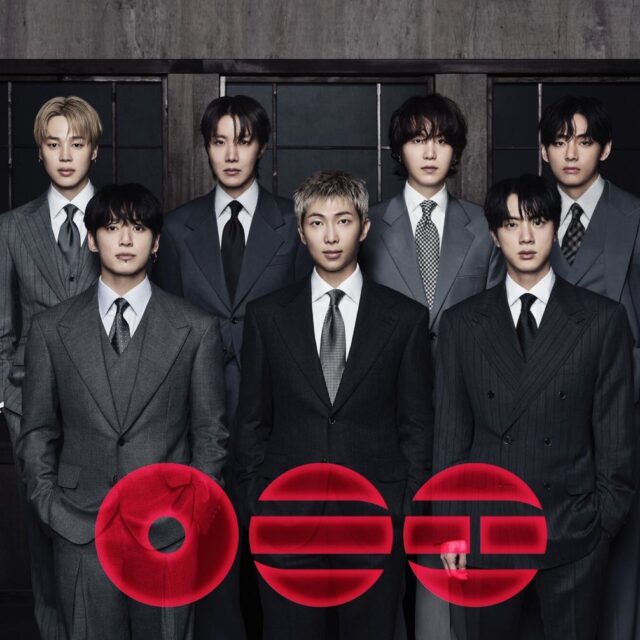
The controversy began on July 18, 2026, when the official "Selección Argentina in English" account on X (formerly Twitter) posted a graphic intended to drum up excitement for the final. The image was a direct spoof of the cover art for BTS’s "Arirang" project. The original BTS image features a minimalist, artistic aesthetic synonymous with the group’s recent branding. The Argentina National Team’s version replaced the group members with key players from the Argentine squad and altered the BTS logo to incorporate Argentine football symbols.

While the post was seemingly intended as a lighthearted nod to the performers sharing the stage with the finalists, it quickly went viral for reasons the social media team may not have anticipated. Within hours, the post was flooded with thousands of quote-retweets and comments from fans expressing deep dissatisfaction. The backlash was multifaceted, ranging from protective stances over BTS’s intellectual property to more serious allegations regarding the cultural and historical record of the Argentine football federation and its supporters.
Chronology of the Dispute
The timeline of the incident reflects the rapid-fire nature of modern digital discourse:
- July 18, Early Afternoon: The Argentina National Team’s English account uploads the "Arirang" parody image.
- July 18, Late Afternoon: K-pop fan communities identify the parody. While some fans find it amusing, a vocal segment of the ARMY begins to criticize the post for "disrespecting" the group’s artistic identity.
- July 19, Morning: The debate intensifies as fans bring up historical and recent controversies involving racism in football. Critics point to past incidents where Argentine fans were accused of discriminatory behavior during international matches.
- July 19, Afternoon: BTS is spotted arriving at MetLife Stadium for final rehearsals. Clips of "Dynamite" playing in the background circulate on social media, temporarily shifting the focus back to the performance.
- July 19, Pre-Match: The debate reaches its peak, with fans split between those calling for the post’s removal and those defending it as a standard promotional tactic.
Analyzing the Core Arguments: Racism and Sports Rivalry
A significant portion of the negative reaction was rooted in broader socio-political concerns. Some fans argued that associating BTS—a group that has been vocal about Stop AAPI Hate and racial equality—with the Argentina National Team was problematic. These critics cited instances of racism exhibited by some segments of the team’s fanbase during previous tournaments. Furthermore, some users referenced historical contexts of European superiority and Antisemitism in Argentina’s history as reasons why they felt the association was inappropriate.
One viral post from a fan account emphasized this sentiment, stating that "no sensible army will be happy seeing bts being associated with a national football team that receives privileges from FIFA and fuels racism of their fans." This perspective views the parody not as a tribute, but as an attempt to "clout-chase" or sanitize the image of the football federation by leveraging BTS’s positive global reputation.
Additionally, the "game-based rivalry" played a role. Fans of other national teams, particularly those of Spain or Brazil, joined the fray, using the controversy to criticize Argentina’s conduct on and off the pitch. Some fans even went as far as to label the Argentine team as "the Big 3" of football—a K-pop term used to describe dominant agencies—implying they use their influence with FIFA to receive favorable treatment.

The Counter-Perspective: Promotion and Global Exposure
Conversely, a substantial number of fans and observers viewed the backlash as counterproductive. This group argued that the parody was a clear sign of BTS’s massive cultural impact, where even one of the world’s most famous sports teams felt the need to reference them to remain relevant in the digital space.
Proponents of this view suggested that the "outrage culture" within the fandom could potentially hinder BTS’s opportunities for general public (GP) recognition. One prominent fan account noted, "I genuinely think one of the biggest things holding BTS back isn’t a lack of opportunities but how some fans react to those opportunities." They argued that when a major football federation interacts with the group’s brand, it introduces BTS to millions of sports fans who might not otherwise engage with K-pop.
Another user pointed out the perceived hypocrisy in the criticism, noting that South Korea, like many nations, has also faced its own internal and international controversies regarding racism. They suggested that the selective targeting of Argentina was more of a "trend" than a genuine concern for social justice, urging fans to focus on the milestone of the performance itself rather than "silly" social media games.
Broader Implications for Global Brand Synergy
The friction between the Argentina National Team and the BTS fandom highlights the challenges of "collab culture" in the age of social media. When two massive entities with distinct fan demographics intersect, the potential for misunderstanding is high. For FIFA and the organizers of the 2026 World Cup, the incident serves as a reminder of the intense scrutiny that accompanies any association with BTS.
From a marketing perspective, the parody confirms that BTS’s visual identity is recognizable enough to be parodied by a non-music entity, which is a testament to their brand power. However, it also illustrates the "double-edged sword" of the ARMY’s passion. While the fandom’s dedication is a primary driver of BTS’s success, their protective nature can create a PR minefield for organizations attempting to engage with the group’s imagery.
The Halftime Show as a Strategic Milestone
Despite the online storm, the focus for FIFA remains the successful execution of the halftime show. The decision to include a dedicated musical performance during the final—modeled after the American Super Bowl—is a strategic move to increase viewership in the United States and among younger global demographics. BTS, with their unparalleled digital reach and high-energy performance style, were the logical choice for this inaugural "Super Bowl-style" World Cup final show.
The 11-minute set is expected to be a high-tech production, utilizing MetLife Stadium’s advanced LED systems and pyrotechnics. For BTS, the performance is more than just a promotional stop; it is a statement of their enduring relevance in a post-military service era. By performing at the world’s most-watched sporting event, the group continues to transcend the boundaries of the K-pop genre, positioning themselves as global icons on par with the legendary athletes they share the stadium with.
Conclusion
The 2026 FIFA World Cup final will likely be remembered for the action on the pitch between Argentina and Spain, as well as the spectacular return of BTS to the global stage. However, the social media debate surrounding the "Arirang" parody serves as a significant footnote, reflecting the complexities of cultural exchange in 2026. As the lines between sports, music, and social activism continue to blur, the incident underscores the need for brands to navigate fan culture with a high degree of cultural sensitivity and awareness of the historical contexts that shape modern digital reactions. For now, the world remains focused on the 11 minutes of music that bridged the gap between the beautiful game and the global phenomenon of BTS.
Leave a Reply