BTS’s Suga Addresses The “Difficult” Scrutiny He Faces
Article Editorial Team
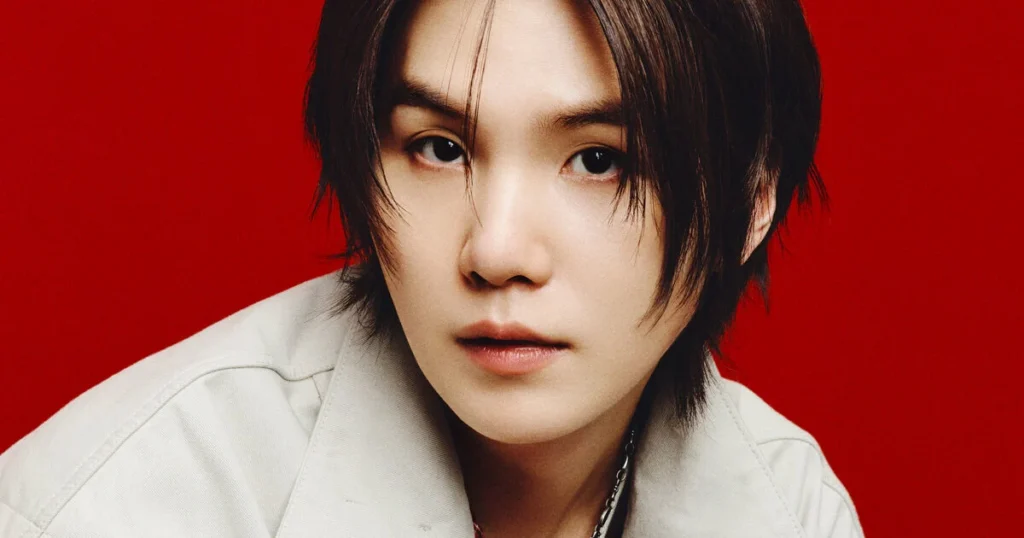
In a definitive sit-down with Rolling Stone magazine, Min Yoongi, better known to the global masses as Suga of BTS, provided a rare and introspective look into the psychological landscape of one of the world’s most scrutinized artists. The interview, published on April 16, 2026, comes at a pivotal moment for the group as they promote their highly anticipated comeback album, ARIRANG. After a years-long hiatus primarily due to the completion of their mandatory military service in South Korea, the members of BTS have returned to a musical landscape that they themselves helped reshape. For Suga, now 33 years old and with thirteen years of professional experience as an idol, the conversation regarding public pressure and the "microscope" of fame has shifted from a matter of survival to one of stoic acceptance.
The Rolling Stone feature, part of a series of solo interviews leading up to the group’s return to the global stage, touched upon several facets of Suga’s career, including his intricate involvement in the production of ARIRANG and the evolution of his solo persona, Agust D. However, the most striking portion of the dialogue centered on the "difficult" scrutiny that follows a figure of his magnitude. When asked whether the constant evaluation of his every move felt unbearable, Suga offered a response that was both blunt and characteristic of his pragmatic worldview, stating that such pressures are simply "part of the job."

The Stoic Philosophy of Min Yoongi
The interviewers at Rolling Stone pushed Suga to reflect on the weight of public opinion, noting that things considered "small" for an average person often become monumental controversies within the context of a K-pop idol’s life. In the hyper-connected era of social media, where a single misunderstood gesture or word can trigger a global trend, the mental toll on performers is often documented as being severe. Yet, Suga’s approach to this reality appears to be one of deliberate detachment.
"My job is to live within the eyes of the public," Suga remarked during the interview. While acknowledging that this existence is "not convenient," he emphasized a strict boundary between his self-perception and the opinions of the masses. His revelation that he "never reads others’ opinions" about himself serves as a testament to the emotional armor he has built over a decade. This level of indifference is a significant departure from the traditional idol narrative, which often emphasizes a desire to please the public and a deep sensitivity to fan feedback. By choosing not to engage with the digital discourse, Suga suggests that the scrutiny only becomes "tough" if one allows it to penetrate their private consciousness.
A Chronology of Fame and Resilience
To understand the weight of Suga’s statements, one must look at the trajectory of his career from 2013 to 2026. BTS debuted under Big Hit Entertainment at a time when the agency was a small, struggling entity. As the group’s primary rapper and a prolific producer, Suga was instrumental in crafting the "underdog" narrative that initially endeared the group to fans. However, as BTS transitioned from K-pop idols to global icons, the nature of the scrutiny changed.

- 2013–2016: The Rise and the Growing Pains. During the early years, scrutiny focused on the group’s validity within the hip-hop community. Suga addressed these pressures through his first solo mixtape, Agust D (2016), where he spoke openly about social anxiety and the internal conflict of being an idol.
- 2017–2021: Global Domination. As BTS broke into the Western market, the scrutiny became geopolitical and cultural. Every interview and fashion choice was analyzed by international media. Suga’s response during this era was focused on productivity, releasing D-2 in 2020 and contributing to hits like "Butter" and "Dynamite."
- 2022–2025: The Hiatus and Service. During the group’s period of individual growth and military enlistment, the scrutiny shifted toward their eventual return. Suga used this time to solidify his Agust D trilogy with the album D-DAY and a successful solo world tour, proving his viability as a standalone artist.
- 2026: The Return. With the release of ARIRANG, the scrutiny is now focused on "relevance." Critics and fans alike are watching to see if the group can maintain their monolithic status after years away from the traditional promotional cycle.
The Production of ARIRANG and the Agust D Influence
A significant portion of the Rolling Stone interview focused on the creative process behind ARIRANG. Suga, known for his meticulous approach to songwriting and arrangement, discussed how his time as Agust D influenced the new BTS record. While Agust D is a vehicle for raw, often aggressive honesty, the work he does for BTS requires a different kind of balance—one that speaks to a collective identity.
Suga noted that his involvement in ARIRANG was more holistic than in previous albums. He described the project as a "reclamation" of their sound, blending traditional Korean motifs—implied by the title—with the modern pop and hip-hop sensibilities that earned them global acclaim. The album aims to address the members’ experiences during their hiatus, providing a bridge between who they were before their service and who they have become as men in their thirties.
Statistical Context: The Magnitude of the BTS Brand
The scrutiny Suga describes is proportional to the sheer scale of the BTS economy. Even during their hiatus, the group’s influence remained a dominant force in the music industry. According to industry data from 2024 and 2025, BTS-related content continued to generate billions of streams annually. The announcement of their return with ARIRANG reportedly caused a surge in stock prices for HYBE, their parent company, underscoring the financial stakes attached to their public image.

Furthermore, Suga’s solo tour in 2023 set records for the highest-grossing tour by a Korean soloist in U.S. history, grossing over $57 million. When an individual artist commands that level of economic power, the "scrutiny" mentioned in the interview is not just social; it is professional. Every action has the potential to impact thousands of employees and millions of shareholders, making Suga’s "I don’t care" attitude a necessary survival mechanism for maintaining creative integrity.
Broader Implications for the K-pop Industry
Suga’s candidness regarding public opinion reflects a broader shift in the K-pop industry toward mental health awareness and artist autonomy. For decades, the "idol" model was built on the concept of being a perfect, reachable fantasy for fans. Suga’s refusal to read comments or seek external validation challenges this model, suggesting that the path to career longevity lies in self-preservation rather than constant public engagement.
Industry analysts suggest that Suga’s stance may set a precedent for younger artists. As the "Fourth" and "Fifth" generations of K-pop idols face even more intense social media pressure, the "Suga Method"—focusing on the work and ignoring the noise—could become a blueprint for mental well-being. His 13-year tenure provides him with the authority to speak on these matters, and his success suggests that an artist does not need to be a slave to public opinion to remain at the top of the charts.

Reactions from the Industry and Fandom
While the full transcript of the interview has sparked intense discussion among the group’s fandom, known as ARMY, the reaction has been overwhelmingly supportive. Fans have long praised Suga for his "savage" honesty and his ability to navigate the complexities of fame without losing his core identity. On social media platforms, the hashtag #SugaRollingStone trended globally within minutes of the article’s release, with many fans echoing his sentiments on the importance of mental boundaries.
Related parties within the industry have also noted the significance of his words. Several prominent K-pop producers have commented on the "refreshing" nature of Suga’s interview, noting that the pressure to monitor public sentiment often stifles creativity. By publicly declaring his independence from the "eyes of the public," Suga is effectively claiming his right to be an artist first and an idol second.
Conclusion: The Resilience of the BTS Legacy
As BTS prepares to take the stage once again, the insights provided by Suga in his Rolling Stone interview offer a glimpse into the maturity of the group. They are no longer the "Bulletproof Boy Scouts" trying to shield themselves from the world; they are seasoned professionals who have learned how to exist within the storm without being swept away by it.

Suga’s reflection on scrutiny is not a complaint, but a declaration of independence. By accepting that public judgment is "just part of the job," he has neutralized its power over him. As ARIRANG begins its ascent on the global charts, it is clear that Min Yoongi’s focus remains exactly where he wants it: on the music, the craft, and the enduring bond with his bandmates. The scrutiny will undoubtedly continue, but for Suga, the noise has finally been turned down to a manageable hum.
Related News