BTS’s US Concert Audience Sparks Intense Reactions In Korea
Article Editorial Team
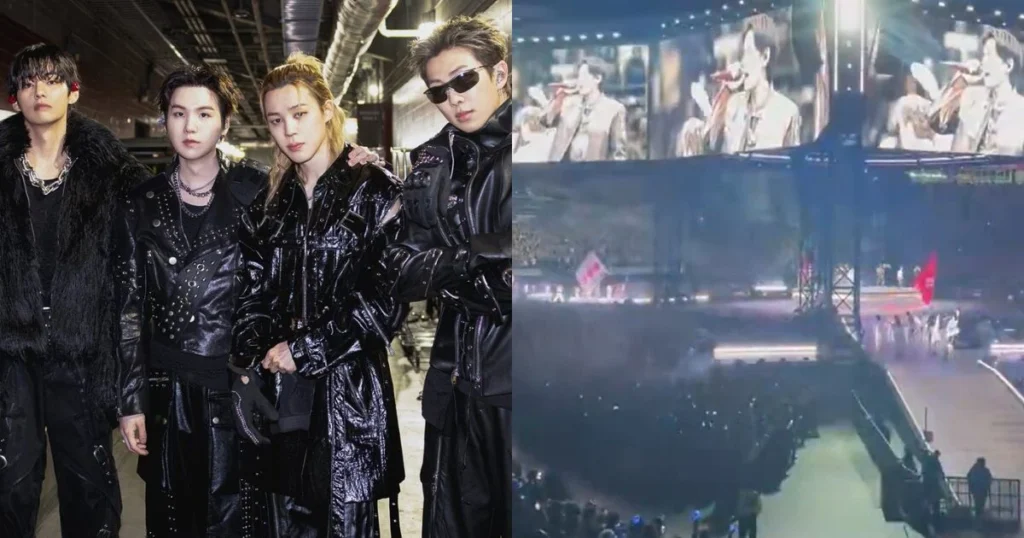
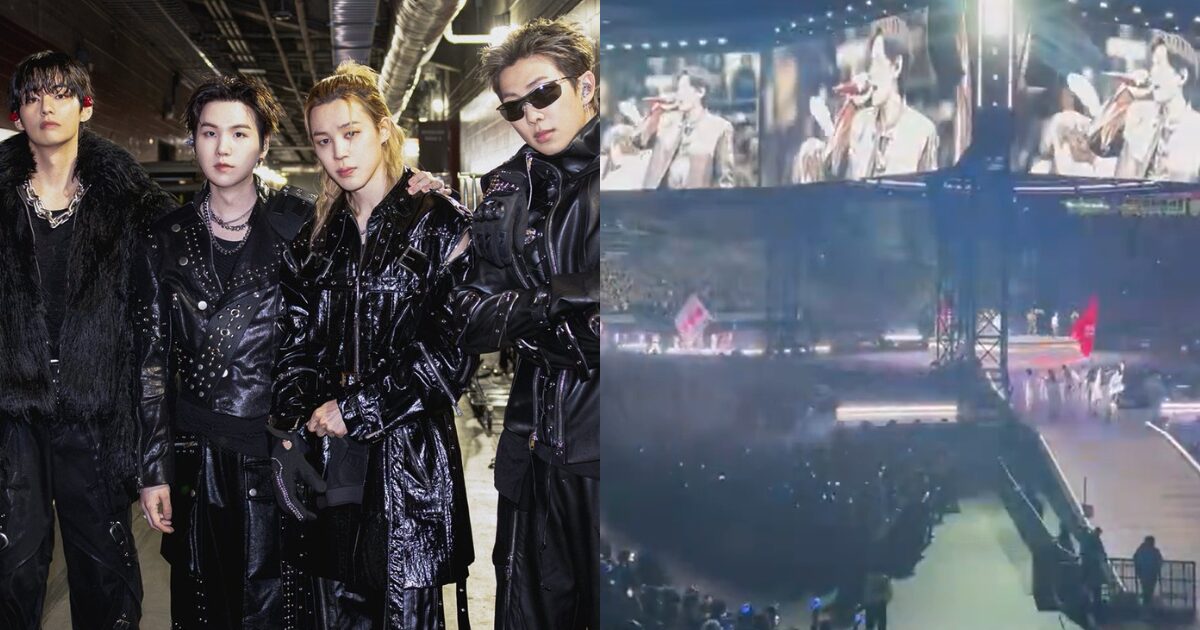
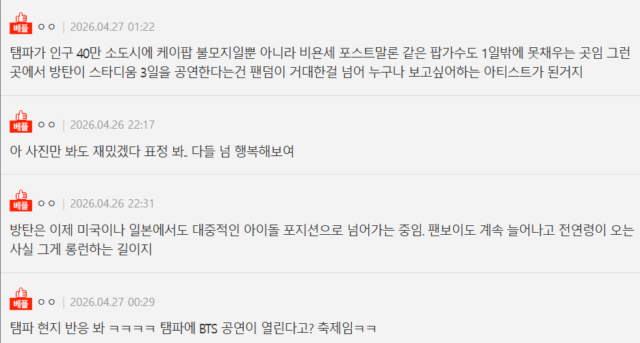
While the sheer volume of ticket sales for a stadium-level event is a feat in itself, the primary catalyst for the "intense reactions" in Korea has been the visual evidence of the audience’s diversity. Documentation from the event, shared widely on platforms such as Nate Pann and other South Korean community forums, showcased a crowd that transcended the traditional boundaries often associated with K-pop fandom. Historically, international perceptions of K-pop audiences have often been limited to a younger, female-centric demographic. However, the Tampa performances provided a starkly different narrative, featuring a wide spectrum of ages, races, and, most notably, a significant increase in male attendees.
The ARIRANG World Tour: A Chronological Overview
The ARIRANG World Tour represents BTS’s most ambitious global undertaking to date, following their mandatory military service period and subsequent focus on solo projects. The tour was meticulously planned to serve as a "homecoming" to the global stage, blending traditional Korean cultural elements—as suggested by the "Arirang" title—with the high-octane pop production for which the group is known.
The tour began in early April 2026 with a two-night stint at the Seoul Olympic Stadium, followed by three sold-out dates at the Nissan Stadium in Yokohama, Japan. These initial shows focused on the domestic and regional markets, reaffirming the group’s "King of K-pop" status within Asia. On April 26, 2026, the group arrived in Tampa, Florida, to begin the first of three shows at the Raymond James Stadium.

The choice of Tampa as the opening city for the US leg was seen by industry analysts as a strategic move to tap into the Southeastern United States market, a region that has seen a surge in K-pop consumption over the last five years. By the conclusion of the third night in Tampa, official figures indicated a total footfall of approximately 190,000, with fans—collectively known as ARMY—traveling from across the continent to witness the group’s return.
Demographic Shifts and Cultural Stereotypes
The viral discourse in South Korea centered on several high-definition photographs and fan-captured videos illustrating the crowd’s composition. One post on Nate Pann, which garnered hundreds of thousands of views within hours, highlighted how the audience resembled a "global music festival" rather than a niche genre concert. The "OP" (original poster) noted that the presence of families, older couples, and diverse ethnic groups served as a testament to BTS’s status as a "general public" act in the United States, rather than a subculture phenomenon.

A secondary, yet equally potent, thread of discussion focused on the visible presence of male fans. In South Korea, male idols have occasionally been subjected to criticism regarding "soft masculinity," with some Western critics previously dismissing the genre as "emasculating." The images coming out of Tampa, showing men of various backgrounds enthusiastically participating in the concert, were interpreted by Korean netizens as a definitive breaking of these stereotypes.
Commenters on these platforms expressed a sense of national pride, noting that BTS has successfully "normalized" the appreciation of Korean artistry among demographics that were previously considered unreachable. One highly upvoted comment remarked, "It is no longer about ‘K-pop.’ It is just ‘Pop.’ Seeing these men enjoy the music without prejudice shows how much the wall has been broken."

Supporting Data: The Scale of the Tampa Residency
To understand the weight of these reactions, one must look at the comparative data of previous stadium tours. During the 2019 Love Yourself: Speak Yourself tour and the 2021-2022 Permission to Dance on Stage residency, BTS had already established a precedent for stadium sell-outs. However, the ARIRANG tour shows a marked increase in "casual" listeners attending alongside dedicated fans.
- Attendance Density: Raymond James Stadium, with a concert capacity of roughly 63,000 to 65,000 per night, was filled to the brim. The 190,000 cumulative total suggests that nearly every available seat and floor space was occupied.
- Acoustic Impact: Reports from local Tampa news outlets and social media clips indicated that the fan chants and singing were so loud that they frequently registered on local decibel meters, occasionally overpowering the stadium’s multi-million dollar sound system.
- Economic Impact: Preliminary estimates from Tampa’s tourism board suggest the three-day event generated upwards of $40 million for the local economy, factoring in hotel stays, transportation, and local commerce—a phenomenon often referred to as the "BTS Effect."
Official Responses and Participant Reactions
While HYBE (BTS’s management agency) has maintained a standard professional stance, focusing on the logistical success of the tour, the members themselves have been vocal about their appreciation for the diverse crowd. During the "ment" (talking) segments of the Tampa shows, members expressed surprise and gratitude at seeing so many familiar and new faces.

"Music has no language, and tonight, it feels like it has no borders either," group leader RM stated during the final night in Tampa. This sentiment aligns with the group’s long-standing message of inclusivity, which has been a cornerstone of their "Love Yourself" campaign and their various addresses at the United Nations.
On-the-ground interviews with attendees reflected the demographic data seen online. "I came here with my daughter, but I think I’m having more fun than she is," said one 45-year-old male attendee in a viral clip. "The energy is infectious, and the talent is undeniable. It doesn’t matter where they’re from."

Broader Implications for the Music Industry
The intense reaction in Korea to the US audience demographic suggests a shift in how the South Korean public views their own cultural exports. There is a growing realization that BTS is no longer a "representative of Korea" in a promotional sense, but a global entity that has integrated into the fabric of Western pop culture.
1. The De-territorialization of K-pop
The diversity seen in Tampa indicates that the "K" in K-pop is becoming less of a barrier and more of a brand of quality. When an audience is composed of all races, ages, and genders, the music is no longer "foreign"; it is "universal." This provides a roadmap for other Korean artists, suggesting that success in the West is not dependent on conforming to Western standards of masculinity or musical structure, but on creating a genuine connection with a broad audience.
2. Market Expansion and Sustainability
From a business perspective, the presence of older and male demographics suggests a higher ceiling for market sustainability. Younger fanbases are often seen as volatile, with interests shifting as they age. However, a "festival-style" demographic—similar to that of legacy acts like U2 or The Rolling Stones—indicates that BTS has built a multi-generational legacy that could sustain stadium-level tours for decades.
3. Challenging the "Idol" Narrative
The Korean reaction also reflects an internal shift in the "idol" narrative. By breaking stereotypes abroad, BTS is inadvertently changing the perception of the "idol" career path within Korea. The pride felt by netizens seeing "traditional" Western men cheering for a Korean boy group helps dismantle lingering domestic prejudices about the "frivolity" of idol music.

Conclusion
The start of the ARIRANG World Tour in Tampa has served as a powerful barometer for BTS’s current standing in the global cultural hierarchy. The "intense reactions" in South Korea are not merely about the group’s popularity, but about the validation of a cultural movement that has successfully crossed the most difficult demographic hurdles. As the group continues their tour through major cities like Chicago, Los Angeles, and New York, the industry will be watching closely to see if the "Tampa demographic" becomes the new standard for the world’s biggest musical act. For now, the images of a diverse, stadium-sized crowd in Florida remain a potent symbol of music’s ability to transcend the boundaries of geography, gender, and age.
Related News