Asahi of TREASURE Captivates Fans and Spotlights Jakarta’s Historic Kota Tua with Viral Post-Concert Photo Essay
Article Editorial Team
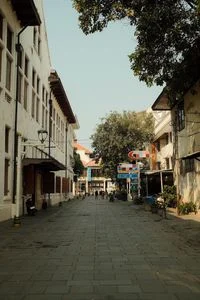
The dynamic K-Pop landscape in Indonesia witnessed an unexpected cultural moment when Asahi, a prominent member of the globally acclaimed boy group TREASURE, captivated fans and drew international attention to Jakarta’s historic Kota Tua district through a series of aesthetically striking photographs. Following the successful conclusion of TREASURE’s highly anticipated "2026 TREASURE TOUR [PULSE ON]" concerts on April 25-26 at the expansive Indonesia Arena within the Gelora Bung Karno (GBK) complex, Asahi chose to spend his downtime immersing himself in the rich heritage of the Indonesian capital. His subsequent upload of these captivating images on the official TREASURE members’ X (formerly Twitter) account on April 29, 2026, quickly went viral, generating immense excitement and praise from netizens and the devoted fanbase known as TREASURE MAKERs (TEUME).
TREASURE’s Dominant Presence in the Indonesian K-Pop Market
TREASURE, formed by YG Entertainment through the survival program YG Treasure Box in 2020, has rapidly ascended as one of the most influential fourth-generation K-Pop groups. Their distinctive sound, powerful performances, and charismatic members have garnered a massive following worldwide, with Indonesia consistently standing out as a key market. The "2026 TREASURE TOUR [PULSE ON]" marked another significant milestone in their engagement with Indonesian fans. Held over two consecutive nights, the concerts at the state-of-the-art Indonesia Arena, known for its capacity to host large-scale international events, were a resounding success. Thousands of fans flocked from across Indonesia and neighboring regions, testament to the group’s enduring popularity. The concerts not only provided an unforgettable experience for attendees but also injected a substantial boost into Jakarta’s local economy, impacting sectors such as hospitality, transportation, and local businesses catering to concert-goers. Major K-Pop events like TREASURE’s tour typically draw tens of thousands of attendees, with each fan spending significantly on tickets, merchandise, accommodation, food, and local transportation, contributing millions of dollars to the host city’s economy. The choice of Indonesia Arena, with its modern facilities and strategic location, further solidified Jakarta’s position as a premier destination for international music acts in Southeast Asia.
Asahi’s Post-Concert Cultural Immersion: A Journey Through Time
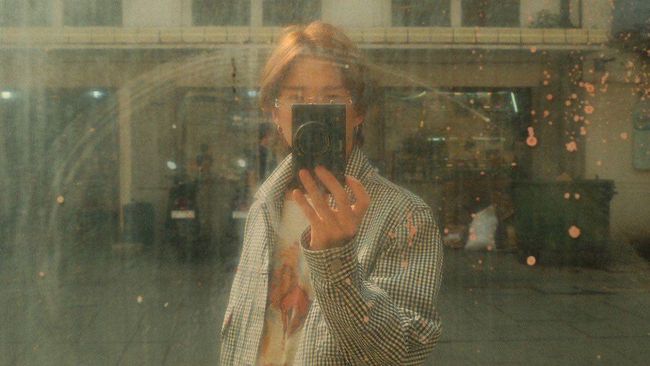
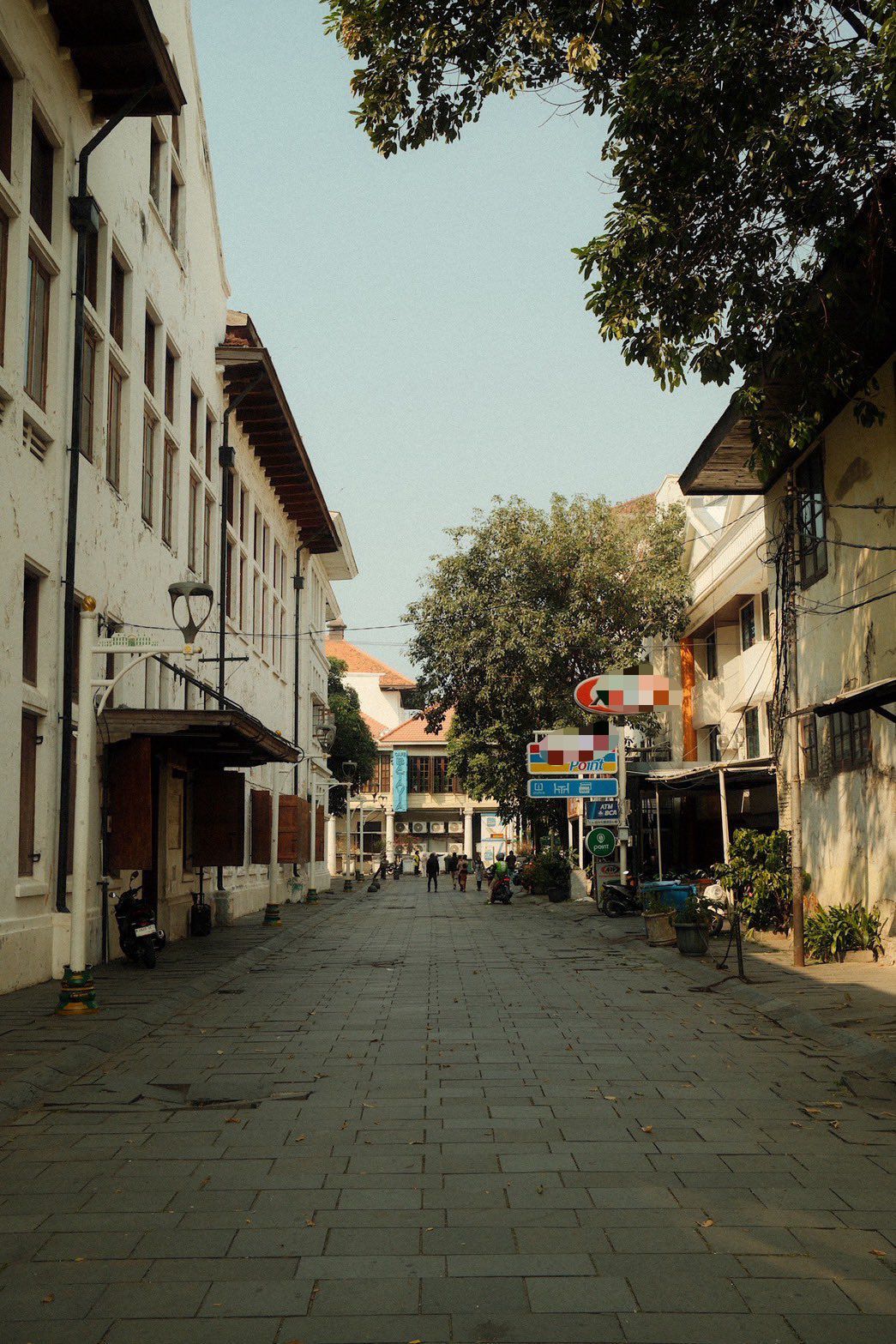
What truly set this particular visit apart was Asahi’s decision to explore beyond the concert venue and delve into the heart of Jakarta’s historical narrative. Instead of opting for typical tourist hotspots or immediate departure, he ventured into Kota Tua, an area brimming with the echoes of Indonesia’s colonial past. His social media post, featuring a series of meticulously composed photographs, showcased his unique perspective on this historical district. Using what appeared to be a film camera, Asahi captured the essence of Kota Tua with an artistic flair that resonated deeply with his followers. The grainy texture and nuanced color palette inherent to film photography amplified the vintage charm of the area, transforming familiar streetscapes into cinematic stills.
The photographs revealed Asahi’s keen eye for detail and composition. He immortalized the grand, centuries-old buildings characterized by their distinct Dutch colonial architecture, a style that harks back to the era when Jakarta was known as Batavia. These structures, with their ornate facades, tall windows, and weathered textures, are silent witnesses to centuries of trade, governance, and cultural exchange. Beyond the impressive edifices, Asahi also turned his lens towards the natural elements that frame the urban landscape, notably the Ciliwung River. His shots captured the tranquil flow of the river, bordered by graceful palm trees, offering a serene contrast to the bustling city life that usually surrounds it. This particular detail highlighted his ability to find beauty in overlooked corners, presenting a holistic view of the area. One image also showed Asahi himself, casually strolling through the historic area, a solitary figure amidst the grandeur, further enhancing the personal and reflective nature of his visit. This candid self-portrait added a relatable human element to his artistic exploration, allowing fans to vicariously experience his journey.
Kota Tua: Jakarta’s Enduring Historical Jewel
Kota Tua, literally meaning "Old City," is more than just a collection of old buildings; it is a meticulously preserved heritage zone that serves as a living museum of Jakarta’s origins. Established in the 17th century by the Dutch East India Company (VOC) as Batavia, the capital of their colonial empire in the East, the area was once a thriving hub of international trade and administration. Its strategic location at the mouth of the Ciliwung River made it a crucial port, attracting merchants and settlers from across Asia and Europe. The architectural style prevalent in Kota Tua is a testament to its Dutch colonial roots, featuring classic European facades adapted to the tropical climate, characterized by high ceilings, large windows, and sturdy construction.
Key landmarks within Kota Tua include Fatahillah Square, the central plaza that once served as the heart of Batavia. Surrounded by historical buildings now converted into museums, such as the Jakarta History Museum (formerly the Stadhuis or City Hall), the Wayang Museum, and the Fine Art and Ceramic Museum, the square is a vibrant public space where locals and tourists gather. The iconic Cafe Batavia, housed in a magnificent 19th-century colonial building, stands as another enduring symbol of the area’s rich past. In recent years, the Indonesian government and various cultural organizations have intensified efforts to revitalize Kota Tua, aiming to restore its historical grandeur and enhance its appeal as a cultural and tourist destination. These initiatives involve meticulous restoration projects, pedestrianization efforts, and the development of cultural programs designed to educate visitors about Jakarta’s diverse heritage. Annually, Kota Tua attracts millions of domestic and international tourists, making it one of Jakarta’s most visited historical sites. Its significance extends beyond tourism, serving as a vital educational resource and a symbol of national heritage.
The Viral Phenomenon: Fan Engagement and Social Media Resonance
The moment Asahi’s photographs hit the internet, the reaction was instantaneous and overwhelmingly positive. The post rapidly accumulated hundreds of thousands of likes, shares, and comments, becoming a top trending topic on X in Indonesia and beyond. Fans, affectionately known as TEUME, expressed a mix of awe, surprise, and delight. Many were taken aback that a global idol would choose to explore such a culturally significant, yet often overlooked by international celebrities, part of Jakarta. The comments section overflowed with praise for Asahi’s photographic prowess, with fans noting how his artistic vision transformed familiar local scenes into something extraordinary.
"Gua foto di situ vibes-nya beda banget sama Asahi woy hahaha," remarked one user (@Liax), humorously highlighting the stark contrast between their own casual snapshots and Asahi’s professional-grade aesthetic. Another fan, @leo, echoed this sentiment, stating, "Jakarta di tangan dia jadi aesthetic banget serius," underscoring how Asahi’s unique perspective elevated the city’s image. A common sentiment among local fans was a playful lament about missing the chance to encounter him, as expressed by @non***: "Sudah sedekat ini, bisa-bisanya nggak ketemu bjirrr benar-benar deh lu Asahi." These reactions underscore the profound connection K-Pop idols forge with their fanbase, where even a simple travel photo can evoke strong emotions and a sense of shared experience. The virality of the post is also a testament to the immense power of social media within the K-Pop ecosystem, enabling instant dissemination of content and fostering real-time engagement between idols and their global audience.
Broader Implications: Cultural Diplomacy, Tourism Boost, and Soft Power
Asahi’s visit to Kota Tua and the subsequent viral success of his photographs carry significant implications beyond mere fan engagement. This incident serves as a powerful example of K-Pop’s "soft power" and its role in cultural diplomacy. When a globally recognized idol like Asahi chooses to engage with and highlight local culture, it creates a bridge between different societies, fostering mutual understanding and appreciation. His artistic portrayal of Kota Tua not only introduced the historical site to a vast international audience, many of whom might not have been aware of its existence, but also potentially inspired them to explore similar heritage sites in their own travels.
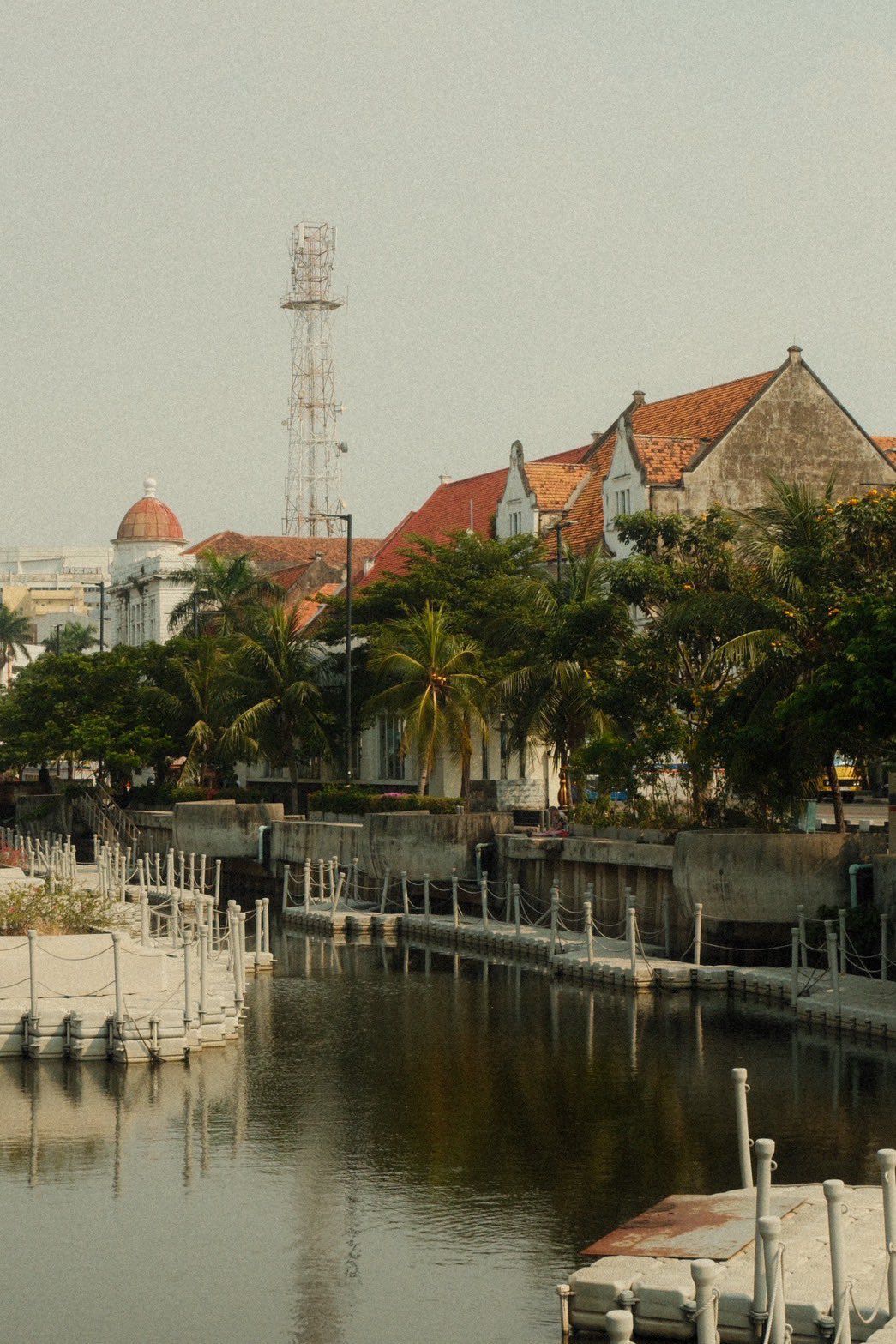
From a tourism perspective, Asahi’s post acts as an invaluable, organic endorsement for Kota Tua and Jakarta as a whole. Unlike traditional advertising campaigns, a celebrity’s genuine interest and artistic representation of a location resonate more authentically with potential visitors. This informal endorsement could translate into a tangible increase in tourism, both domestic and international, to Kota Tua. Data from previous instances of celebrity endorsements in tourism consistently show a significant uplift in visitor numbers and economic activity in the featured locations. For instance, studies have shown that K-Pop fan tourism contributes billions to South Korea’s economy annually, and this phenomenon is increasingly extending to the destinations visited by idols. Local businesses in Kota Tua, from street vendors to cafes and souvenir shops, could experience a boost in patronage as fans and curious travelers seek to replicate Asahi’s experience or simply visit the place he found so captivating.
Furthermore, this event underscores a growing trend in the K-Pop industry where idols are encouraged, or choose, to engage more authentically with the local cultures of the countries they visit. This approach not only enriches their personal experiences but also deepens their connection with international fans, fostering a sense of shared global community. For Jakarta, a bustling metropolis often associated with modernity and traffic, Asahi’s photographs offer a refreshing and artistic re-framing of its historical depth and cultural richness, potentially attracting a new demographic of travelers interested in heritage and aesthetic exploration. His use of a film camera, in particular, taps into a global appreciation for analog photography and a desire for more authentic, less filtered experiences, aligning perfectly with the vintage appeal of Kota Tua.
In conclusion, Asahi’s post-concert exploration of Jakarta’s Kota Tua transcends a simple celebrity sighting. It represents a powerful confluence of global pop culture, historical preservation, and digital influence. His artistic eye not only delighted millions of fans but also inadvertently served as a potent, organic marketing campaign for one of Indonesia’s most cherished cultural heritage sites. As the reverberations of his viral photo essay continue to spread, it stands as a testament to the multifaceted impact of K-Pop, solidifying its role not just as entertainment, but as a significant force in cultural exchange and global tourism promotion. The incident exemplifies how a single moment of genuine cultural appreciation from an international idol can spark widespread interest, driving both fan engagement and a renewed appreciation for local heritage on a global scale.
Related News