Evolution of the K-pop Fandom Experience A Psychological and Sociological Analysis of the Global Phenomenon
Article Editorial Team

The global ascent of South Korean popular music, commonly known as K-pop, has transitioned from a niche subcultural interest to a dominant force in the international music industry. According to the International Federation of the Phonographic Industry (IFPI) Global Music Report, K-pop has consistently ranked as one of the fastest-growing markets, with South Korean artists frequently occupying top positions on the Global Artist Chart. This meteoric rise is not merely a result of catchy melodies and high-budget music videos but is deeply rooted in the complex, highly structured, and often intense lifecycle of the K-pop fan. Understanding the developmental stages of a fan’s journey—from initial exposure to long-term integration or eventual departure—provides critical insight into the modern digital economy and the psychology of contemporary consumerism.
The Macro-Context of Global Hallyu Integration
The phenomenon known as the "Hallyu Wave" has evolved through several distinct iterations. While Hallyu 1.0 focused on the export of Korean dramas across Asia, Hallyu 2.0 and the current 3.0/4.0 eras have leveraged digital platforms like YouTube, TikTok, and Weverse to create a borderless fandom. For a new observer, the entry point is often accidental, triggered by a viral moment or an algorithmic recommendation. This "Introductory Stage" is characterized by a significant degree of sensory overload. The industry’s reliance on "neon box" sets, hyper-synchronized choreography, and gender-fluid aesthetics presents a stark contrast to Western musical norms.
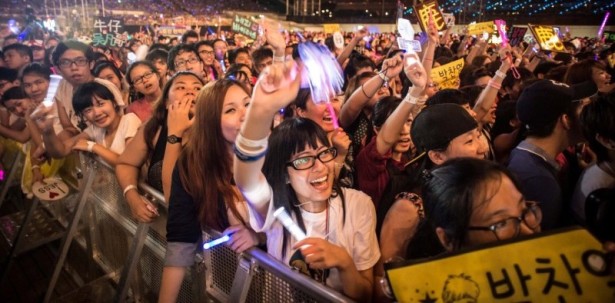
Market research indicates that the initial reaction to K-pop is often polarized. Newcomers may find the genre "gimmicky" or "over-produced." However, the industry’s strategic use of multi-member groups—often ranging from five to thirteen members—is designed to ensure there is an "entry point" for every demographic. This stage is also where comparative skepticism arises; seasoned fans of established groups like B.A.P or BIGBANG often view emerging groups like BTS or Stray Kids through a lens of defensive loyalty, often accusing newer acts of "copying" established tropes before eventually succumbing to the genre’s evolving charms.
The Investigative Phase and the Role of Digital Algorithms
The transition from a casual observer to an active seeker is defined as the Investigative Stage. This period is heavily influenced by the "rabbit hole" effect of social media algorithms. A single search for a song like Girls’ Generation’s "I Got a Boy" or a BLACKPINK performance often leads to an exhaustive consumption of "behind-the-scenes" content, variety show appearances, and "vlogs."
Data from Twitter (now X) and Tumblr consistently show that K-pop remains one of the most discussed topics globally, with billions of tweets recorded annually. During the investigative phase, the potential fan begins to realize that K-pop is not just a music genre but a 360-degree entertainment ecosystem. The investigative seeker is no longer just listening to music; they are learning a new vocabulary—terms like "bias" (favorite member), "comeback" (new release), and "daesang" (grand prize) become part of their daily lexicon.

The Obsessive Stage and Parasocial Relationship Dynamics
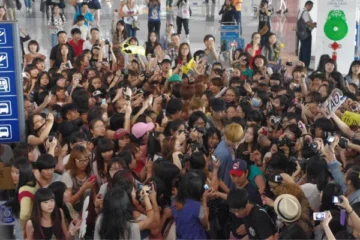
As the fan moves into the Obsessive Stage, the psychological engagement shifts from appreciation to a deep-seated parasocial relationship. This is the most critical juncture for the industry’s revenue model. Fans at this stage often prioritize the "success" of the idol over their own leisure time. This involves "streaming parties" to manipulate chart positions and digital voting for year-end awards.
The "Bias List" becomes a central organizational tool for the fan’s identity. The concept of a "bias wrecker"—a member who threatens the top spot of one’s favorite—adds a layer of gamified emotional engagement. Sociologists note that this stage often leads to a temporary withdrawal from traditional social circles. The fan’s digital life, centered on platforms like Discord or X, provides a sense of community that may be lacking in their physical environment. However, this level of devotion often leads to the "Denial Stage," where the individual refuses to acknowledge the disproportionate amount of time and financial resources being funneled into the fandom.
The Crisis of Engagement: Acknowledgement and Rehabilitation
The sustainability of "hardcore" fandom is frequently challenged by real-world obligations. The "Acknowledgement Stage" occurs when the fan can no longer ignore the physical or social consequences of their obsession—be it sleep deprivation from watching late-night South Korean livestreams or academic/professional decline.

This stage is often triggered by "fandom fatigue" or internal community conflicts. Toxic "fan wars" or scandals involving an idol’s personal life can shatter the idealized image built during the obsessive phase. The resulting "Rehabilitation Stage" involves a conscious effort to "de-program" from the constant news cycle. This period is marked by a return to diverse musical interests and a re-engagement with local social structures. For many, this is a necessary "semi-hiatus" to regain emotional equilibrium.
The Relapse Phenomenon and the Cycle of Devotion
Psychologically, the "Relapse Stage" highlights the addictive nature of the K-pop content cycle. Music labels like HYBE, SM Entertainment, and JYP Entertainment are masters of "content drops"—consistent releases of photos, teasers, and short-form videos designed to pull lapsed fans back into the ecosystem. A fan who has spent months in "rehabilitation" may find themselves fully re-immersed within hours of a "bias" posting a single "selca" (selfie) or the announcement of a world tour.
The guilt associated with missing a major milestone, such as a group winning a "daesang" or completing a successful stadium tour at Wembley or MetLife, often drives the fan to return with even greater intensity. This "all-or-nothing" mentality is a hallmark of modern digital subcultures, where "presence" is equated with "loyalty."

Long-Term Outcomes: The Balanced Fan vs. The Renouncement
As the fandom experience matures, individuals typically reach one of two conclusions. The first is the "Balanced Stage," which represents the pinnacle of fan development. These individuals have learned to treat K-pop as a healthy hobby rather than a life-defining identity. They consume music and content within set boundaries, acknowledging the "manufactured" nature of the industry while still finding genuine joy in the artistry.
The second outcome is "The Renouncement." This is often a natural progression as fans age out of the target demographic. For many, K-pop serves as a "transitional" interest during adolescence or early adulthood. As life priorities shift toward careers, families, or other hobbies, the intense emotional investment in a K-pop group naturally fades. In some cases, renouncement is a reaction to the "graduation" or disbandment of a favorite group, leaving the fan with no anchor to the wider genre.
Economic and Cultural Implications
The lifecycle of a K-pop fan has profound implications for the global economy. The "stanning" phenomenon has turned music into a service industry. Fans are not just consumers; they are unpaid marketers, translators, and PR agents. The data-driven loyalty of these fans has forced Western labels to adopt similar strategies, focusing more on artist-to-fan direct communication and "collectible" physical media (such as albums with randomized photo cards).

Furthermore, the K-pop fandom lifecycle has contributed to a greater "soft power" for South Korea. The Ministry of Culture, Sports, and Tourism has noted that the global interest in K-pop directly correlates with increased tourism, interest in the Korean language, and the export of Korean food and cosmetics (K-beauty).
Conclusion: The Future of Fan-Artist Ecosystems
The journey of a K-pop fan—from the initial confusion of a "neon box" music video to the eventual balance of long-term appreciation—reflects a broader shift in how humans interact with art and celebrity in the 21st century. While the intensity of the "Obsessive" and "Relapse" stages can be taxing, the sense of global community and the high standard of performance provided by the industry offer a unique value proposition.
As the industry moves toward the integration of AI idols and metaverse fan meetings, the stages of fandom may evolve, but the core psychological drivers—the search for identity, community, and aesthetic excellence—remain constant. Whether a fan remains a lifelong devotee or eventually moves on, the experience of being part of a global Hallyu movement leaves an indelible mark on their cultural perspective. The K-pop fandom is no longer a temporary trend; it is a sophisticated, multi-layered social phenomenon that continues to redefine the boundaries of global entertainment.
Related News