

The unveiling of the "Arirang" smartphone by the Democratic People’s Republic of Korea (DPRK) marks a significant moment where traditional cultural heritage intersects with modern information technology and geopolitical posturing. While the device itself—a touch-screen handset named after Korea’s most famous folk song—has been met with technical skepticism by international observers, its branding provides a profound look into the socio-cultural fabric of the Korean Peninsula. In an era defined by heightened military tensions and a fierce ideological divide, the choice of the name "Arirang" serves as a strategic attempt by Pyongyang to claim the mantle of authentic Korean identity, even as it navigates a complex relationship with global technology and its southern neighbor.
The Launch of the Arirang Smartphone: Technical Context and State Propaganda
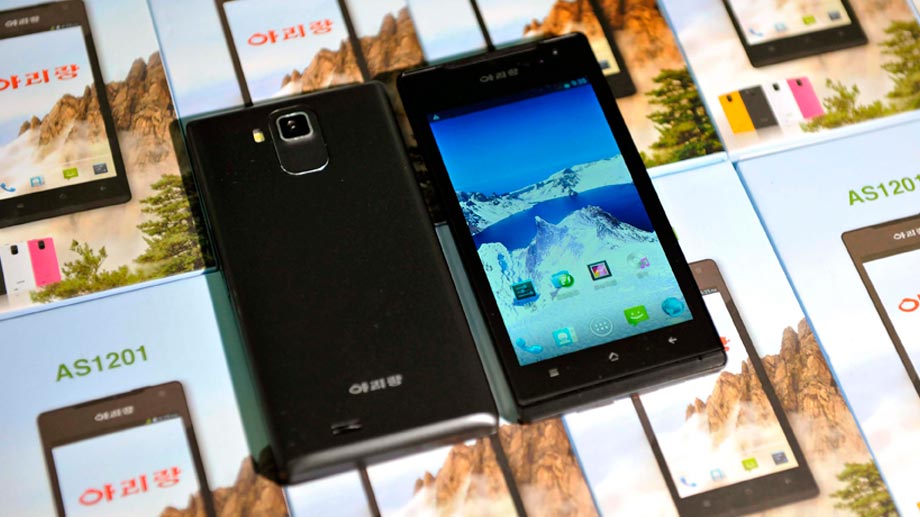
In August 2013, North Korean state media, the Korean Central News Agency (KCNA), released images of leader Kim Jong-un visiting a manufacturing facility known as the "May 11 Factory." During this "field guidance" tour, the leader was shown inspecting a new mobile device dubbed the "Arirang AS1201." According to state reports, the smartphone was manufactured entirely within the DPRK, featuring a high-resolution camera and a "highly sensitive" touch screen. Kim Jong-un praised the factory workers for their "creative ingenuity" and "patriotic enthusiasm," emphasizing that the production of such high-tech goods is essential for fostering national pride and self-reliance, or Juche.
However, technology analysts and regional experts have expressed significant doubt regarding the "domestic" nature of the device. Examination of the hardware suggests that the Arirang is likely a rebranded version of a Chinese-made smartphone, specifically the Uniscope U70, which was shipped to Pyongyang for final assembly or simply for packaging and software installation. Despite these technical realities, the symbolic value of the phone remains high. By introducing a smartphone, North Korea is signaling to its domestic population that it is keeping pace with the digital revolution, even as the state maintains one of the most restrictive intranet systems in the world, known as Kwangmyong.
The timing of the launch is also noteworthy. It occurred during a period of transition for the North Korean telecommunications landscape. Since the 2008 establishment of Koryolink, a joint venture between the Egyptian company Orascom Telecom and the North Korean state, mobile phone usage has surged among the Pyongyang elite and the growing merchant class. The Arirang smartphone represents an evolution from basic feature phones to more sophisticated devices, mirroring the consumer trends seen in the Republic of Korea (ROK) and the wider world.
A Historical Timeline of Arirang: From Folk Song to National Symbol
To understand why the name "Arirang" carries such weight, one must look back at the historical trajectory of the song and its role in the Korean consciousness.
- Ancient Origins (700 CE – 1900 CE): While the exact origin of "Arirang" is debated by ethnomusicologists, it is believed to have existed in various regional forms for centuries. The most famous version, "Bon Arirang," is often associated with the Arirang Pass, a metaphorical or physical location representing separation and longing.
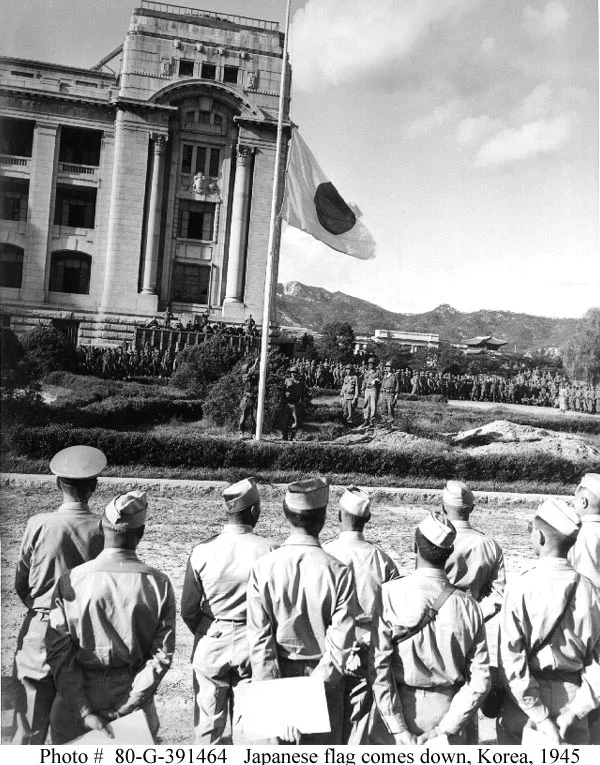
- 1910–1945: The Japanese Occupation: This era is perhaps the most critical for the song’s development. During the brutal colonial rule of the Japanese Empire, "Arirang" evolved from a simple folk tune into an anthem of resistance. In 1926, filmmaker Na Woon-gyu released the silent film Arirang, which used the song to evoke a sense of national mourning and silent defiance against the occupiers.
- 1945–1953: Division and the Korean War: Following the liberation from Japan and the subsequent division of the peninsula into North and South, both regimes claimed "Arirang" as their own. It became a rare piece of shared cultural property that transcended the 38th parallel.
- 2012–2014: UNESCO Recognition: In 2012, South Korea successfully petitioned for "Arirang" to be included on UNESCO’s Representative List of the Intangible Cultural Heritage of Humanity. In a rare show of cultural parity, North Korea followed suit, and its version of the song was added to the list in 2014.
The song’s lyrics typically tell the story of a traveler crossing the Arirang Pass, leaving behind a loved one. Scholars often describe the song as an expression of Han—a uniquely Korean concept of collective sorrow, resentment, and hope. By naming their smartphone after this song, the North Korean leadership is tapping into a reservoir of deep-seated emotion that predates the modern political divide.
The Dichotomy of National Anthems: Aegukga vs. Arirang
In both North and South Korea, the official national anthem is titled "Aegukga" (Song of Love for Country), though the lyrics and melodies differ between the two states. The South Korean "Aegukga" is a Western-style choral piece characterized by brassy, bombastic arrangements designed for formal state ceremonies. While it commands respect, it lacks the grassroots, emotional resonance that "Arirang" provides.

"Arirang" functions as the "unofficial" anthem of the Korean people. It is sung at sporting events, family gatherings, and during moments of national crisis. Musically, it is built on a pentatonic scale, making it easy to sing and adapt into various genres, from traditional folk to modern pop and jazz. Its simplicity is its strength; it belongs to the people rather than the state bureaucracy. When North Korea names a consumer product "Arirang," it is an attempt to bypass the rigid, militaristic image of the state and connect with the populace on a more intimate, cultural level.
Cultural Appropriation and Regional Rivalries
The use of "Arirang" also highlights the complex relationship between Korea and its neighbors, particularly Japan. Historically, the song was not only a symbol of resistance but also a surprising pop culture hit in mainland Japan during the 1930s. Japanese audiences were drawn to the song’s perceived melancholy, which they associated with a romanticized, "simpler" past. This cultural appropriation was viewed with suspicion by Koreans, who saw their national identity being commodified by the very power that was suppressing their sovereignty.
In the modern era, this rivalry has shifted into the realms of technology and "soft power." The economic competition between South Korean giants like Samsung and LG and Japanese stalwarts like Sony and Panasonic is a defining feature of the East Asian market. North Korea’s entry into this space, however modest, is a bid for relevance. By naming their phone "Arirang," they are positioning themselves against the "Galaxy" branding of Samsung, suggesting that while the South may have global reach, the North holds the "soul" of the nation.
Soft Power and the Hallyu Influence
The "Arirang" smartphone launch cannot be viewed in isolation from the "Hallyu" or Korean Wave. Despite the North Korean government’s strict ban on foreign media, South Korean dramas (K-dramas) and K-pop music are smuggled into the North via USB drives and SD cards. This "soft power" has created a dilemma for the Pyongyang regime. They must compete with the high-gloss, high-tech allure of the South.
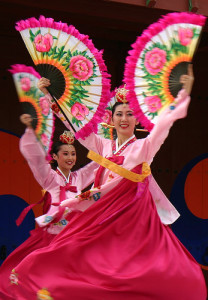
Reports indicate that North Korea has attempted to counter Hallyu by creating its own state-sanctioned version of pop culture. The Moranbong Band, an all-female group reportedly hand-picked by Kim Jong-un, performs pop-style songs with electric violins and synthesizers, often featuring "Arirang" in their repertoire. The Arirang smartphone is the hardware equivalent of the Moranbong Band—an attempt to provide a "modern" experience that remains strictly under the control of the state.
Broader Implications and Future Outlook
The existence of the Arirang smartphone, and the cultural weight of its name, suggests that even in one of the world’s most isolated nations, the power of shared heritage remains a potent tool. For the international community, the device is a curiosity—a piece of "tech-propaganda" that reveals the regime’s desire for legitimacy. For the people of the Korean Peninsula, however, "Arirang" remains a bridge to a past that was not yet divided.
The implications of this branding strategy are twofold. First, it demonstrates that the North Korean leadership recognizes the importance of consumer psychology; they understand that a product must feel "Korean" to be successful domestically. Second, it highlights the ongoing "battle for the soul" of the peninsula. As technology continues to evolve, the ways in which both Koreas utilize their shared history to define their future will remain a critical area of observation.
Ultimately, the Arirang smartphone is less about telecommunications and more about the enduring power of a folk song that has survived empires, wars, and ideological schisms. Whether through a high-tech handset or a traditional performance at the Mass Games, the name "Arirang" continues to serve as the definitive heartbeat of a peninsula that remains, for now, a house divided. Despite the vast differences in political systems and economic prosperity, the shared aesthetic of "Arirang" proves that cultural identity is often more resilient than the borders drawn by men.



Leave a Reply