From Pageant Stage to K-pop Fandom The Global Impact of Miss Universe 2015 Pia Wurtzbach and the Hallyu Wave Intersection
Article Editorial Team
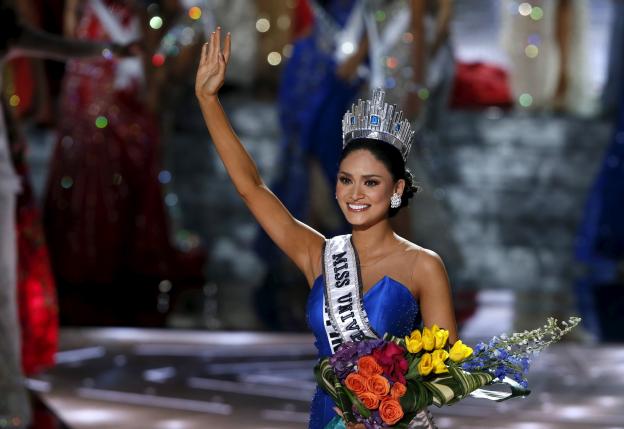
The coronation of Pia Wurtzbach as Miss Universe 2015 remains one of the most discussed events in the history of international beauty pageants, initially due to a high-profile broadcasting error and subsequently due to the revelation of Wurtzbach’s personal interests. On December 20, 2015, at the AXIS Theater in Las Vegas, host Steve Harvey mistakenly announced Miss Colombia, Ariadna Gutiérrez, as the winner before correcting the statement minutes later to name Wurtzbach of the Philippines as the rightful titleholder. While the global media focused on the logistical failure of the event, a secondary narrative emerged within the digital sphere: the discovery of Wurtzbach’s long-standing status as a dedicated fan of South Korean pop music, specifically the boy band Super Junior. This intersection of pageant culture and the "Hallyu" (Korean Wave) has provided a unique case study in the globalization of media and the breakdown of traditional barriers between celebrity personas and fan identities.
The Miss Universe 2015 Controversy: A Catalyst for Viral Interest
The 64th Miss Universe pageant was intended to be a standard transition of power from the outgoing Paulina Vega of Colombia. However, the live broadcast reached a climax of unprecedented tension when Steve Harvey misread the results card. After Gutiérrez had already been crowned and performed her first walk, Harvey returned to the stage to announce that she was actually the first runner-up. The crown was subsequently removed from Gutiérrez and placed on Wurtzbach.
This moment generated billions of social media impressions, turning Wurtzbach into an overnight global household name. As the internet dissected every aspect of the new Miss Universe’s life, fans in the Philippines and South Korea began unearthing her past digital footprint. It was discovered that Wurtzbach had been an active participant in K-pop fandom for years, frequently tweeting about her admiration for Siwon Choi, a prominent member of the veteran group Super Junior. These tweets, dating back to 2009 and 2010, showed Wurtzbach referring to herself as "Mrs. Siwon Choi" and expressing the same "stan" (obsessive fan) behavior typical of the "ELF" (Ever Lasting Friends) fandom.
Chronology of the Discovery and Response
The timeline of the "K-pop Queen" narrative developed rapidly in the week following the pageant:
- December 20, 2015: Pia Wurtzbach is crowned Miss Universe 2015 amidst the Steve Harvey announcement error.
- December 21–23, 2015: Social media users, particularly K-pop fans in Southeast Asia, begin circulating screenshots of Wurtzbach’s old tweets. The posts revealed her deep investment in Super Junior, including her excitement over their music videos and her specific "bias" (favorite member), Siwon Choi.
- December 25, 2015: The story gains mainstream traction in South Korean media outlets, bridging the gap between the pageant world and the K-pop industry.
- December 27, 2015: Members of Super Junior officially acknowledge Wurtzbach. Siwon Choi posted a congratulatory message on Instagram, inviting her to a future "Super Show" (the group’s concert tour).
- January 2016: During her homecoming press conferences in Manila, Wurtzbach confirmed her love for K-pop, further solidifying the connection between the Hallyu wave and her personal brand.
The Cultural Significance of Hallyu in the Philippines
To understand why Wurtzbach’s K-pop fandom resonated so deeply, one must examine the socio-economic impact of Korean culture in the Philippines. The Philippines has long been one of the primary markets for the export of South Korean entertainment. According to data from the Korea Foundation, the number of Hallyu fans globally has seen exponential growth, with Southeast Asia acting as a central pillar.
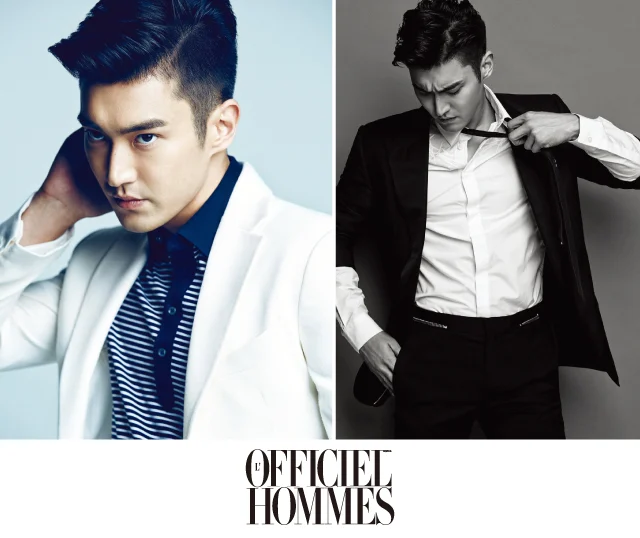
Super Junior, in particular, holds a "legacy" status in the Philippines. They were among the first K-pop groups to achieve massive commercial success in the country, often credited with ushering in the second generation of the Hallyu wave. Their "Super Show 2" in Manila in 2010 was a landmark event, proving the viability of large-scale K-pop concerts in the region. Wurtzbach’s fandom was not merely a casual interest but a reflection of a broader cultural movement that influenced an entire generation of Filipinos.
Official Responses and the Validation of Fandom
The reaction from the K-pop industry was swift and strategic. Siwon Choi, who was serving his mandatory military service at the time, took to Instagram to share a photo of himself alongside a congratulatory caption: "Pia Alonzo Wurtzbach 🙂 Heartfelt Congratulations on your Miss Universe 2015 award, and please be my guest for next SUPERSHOW! Looking forward to seeing you shining the world :^)"
Furthermore, Super Junior’s leader, Leeteuk, posted a message acknowledging the power of their fandom, ELF. He noted that the Miss Universe win was a testament to the "strength of those who love Super Junior." These interactions were more than just polite gestures; they represented a significant moment where a global beauty queen was welcomed into the "inner circle" of a music subculture. This validation served to humanize Wurtzbach, making her more relatable to younger demographics who might otherwise view Miss Universe as an antiquated or unreachable institution.
Analytical Implications: The Humanization of the Global Icon
Wurtzbach’s openness about her fandom—and the subsequent "terrifed" or "embarrassed" sentiment shared by many fans regarding their digital history—highlights a shift in how celebrity personas are constructed. Historically, Miss Universe titleholders were expected to maintain a curated, almost ethereal persona of perfection. Wurtzbach’s "stan" history broke this mold.
The psychological aspect of "stanning" involves a high degree of emotional investment and community participation. For Wurtzbach to have been an active member of the ELF community suggests a level of groundedness. In a professional journalistic context, this can be analyzed as a successful, albeit accidental, branding strategy. By being "one of the fans," Wurtzbach secured a loyal base of supporters from the K-pop community, which numbers in the tens of millions globally.
The Economic and Promotional Synergy
The intersection of these two worlds also presents clear economic implications. When a figure of Wurtzbach’s stature mentions a brand or a group, the "halo effect" is substantial. In the years following her win, Wurtzbach has continued to engage with Korean culture, appearing in various media formats that cater to Hallyu fans.

From a data perspective, the engagement rates on posts involving both Wurtzbach and K-pop stars far exceed the average engagement for standard pageant-related content. This synergy has been leveraged by advertisers and tourism boards in both the Philippines and South Korea. The "Pia-Siwon" interaction, for instance, became a blueprint for how K-pop groups could engage with international celebrities to broaden their reach beyond the traditional music market.
Impact on Future Miss Universe Representatives
Wurtzbach’s win and her subsequent cultural influence changed the "archetype" of a Miss Universe winner. Following 2015, there has been a noticeable shift toward candidates who display authentic, multi-dimensional personalities. National organizations now often highlight a candidate’s personal hobbies, digital presence, and niche interests to build a more robust connection with the audience.
The Philippines, specifically, has seen a surge in "pageant-fan crossovers." Subsequent representatives, such as Catriona Gray (Miss Universe 2018), have also navigated the intersection of pop culture and pageantry, though Wurtzbach remains the pioneer of the "fan-turned-queen" narrative.
Conclusion: A Legacy of Cultural Fusion
The story of Pia Wurtzbach’s journey from a Super Junior fan to Miss Universe 2015 is more than a trivial piece of celebrity gossip. It is a documented example of how digital footprints can bridge disparate cultural sectors. The event underscored the pervasive nature of the Hallyu wave and the evolving definition of global celebrity.
As Wurtzbach transitioned from her reign to a career in acting, hosting, and advocacy, her connection to the K-pop world remained a defining characteristic that endeared her to a global audience. The Steve Harvey error may have provided the initial spark of fame, but it was Wurtzbach’s authentic personality—including her history as an ELF—that sustained her relevance in the years that followed. This case remains a definitive moment in 21st-century media, where the crown of the world met the rhythm of Seoul, creating a lasting impact on both the pageant stage and the pop music industry.
Related News