
The annual Waterbomb Festival, a cornerstone of South Korea’s summer music scene, continued its 2026 circuit this past weekend with a high-energy stop in the coastal city of Sokcho. While the event featured an array of top-tier talent, it was Jeon Soyeon, the leader and primary producer of the girl group (G)I-DLE, who became the central figure of post-festival discourse. Her performance, characterized by bold choreography and the premiere of new solo material, has ignited a complex debate across social media platforms regarding performance standards, artistic expression, and the evolving boundaries of the K-pop industry.

Soyeon’s appearance at Waterbomb Sokcho 2026 was highly anticipated, as it served as a platform for the artist to showcase a preview of her upcoming solo project. Among the setlist was a new track titled "I Hate Vegetables," a title that initially suggested a lighthearted or comedic concept. However, the stage execution was a sharp departure from the song’s literal meaning, featuring a sophisticated and provocative routine that leaned heavily into mature themes. The climax of the performance involved a choreographed sequence where a backup dancer removed Soyeon’s outer shirt while she descended to the stage floor, revealing a stylized bra-top ensemble. This moment, captured and widely shared via fan-taken videos and official festival clips, has since become the focal point of a heated online conversation.
The Context of Waterbomb Festival and Performance Culture
To understand the weight of the current discourse, it is necessary to examine the specific environment of the Waterbomb Festival. Unlike standard K-pop music broadcasts or family-oriented concerts, Waterbomb is marketed as a mature-themed event, often restricted to adults or those over the age of 19. The festival’s identity is built around water-based activities, where the audience and performers alike are frequently drenched by water cannons. Consequently, the dress code for performers typically skews toward swimwear and breathable, summer-appropriate attire.

Over the years, the festival has become a rite of passage for K-pop idols seeking to rebrand or showcase a more adult image. Artists such as Kwon Eunbi, Sunmi, and Hwasa have previously utilized the Waterbomb stage to deliver performances that prioritize sensuality and high-energy engagement. In this context, Soyeon’s choice of attire and choreography aligns with the established "Waterbomb aesthetic." However, her status as a prolific producer and the creative visionary behind (G)I-DLE adds a layer of scrutiny to her solo work, as fans and critics alike attempt to parse the intent behind her artistic choices.
Chronology of the Performance and Viral Reaction
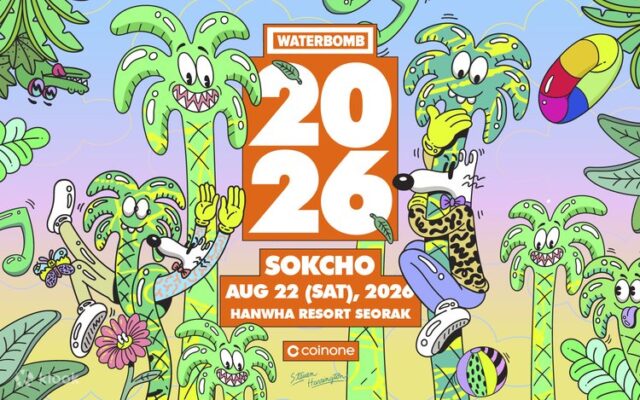
The Sokcho event took place on August 22, 2026, under clear skies and high temperatures, providing the ideal backdrop for the water-centric festival. Soyeon’s set was scheduled during the peak evening hours, drawing a massive crowd of both "Neverland" (the (G)I-DLE fandom) and general festival-goers.
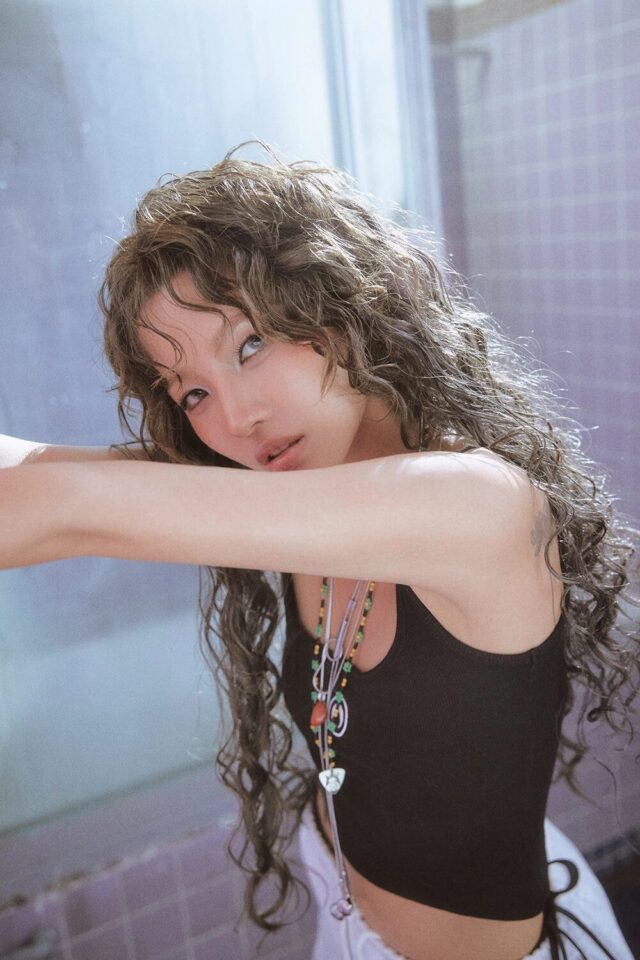
The premiere of "I Hate Vegetables" began with a rhythmic, bass-heavy intro. The choreography remained relatively standard for the first half of the song, but shifted gears during the bridge. As the music intensified, Soyeon moved to the center of the stage, where the shirt-removal sequence was executed with professional precision. The remainder of the performance saw her navigating the stage in a metallic-toned bra-top, engaging with the audience and dancers in a manner that many described as "unapologetically confident."
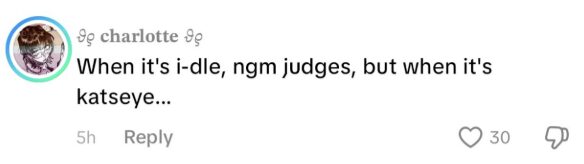
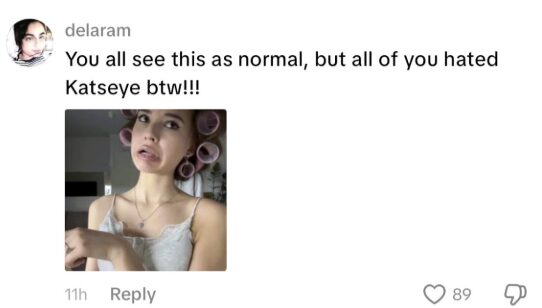
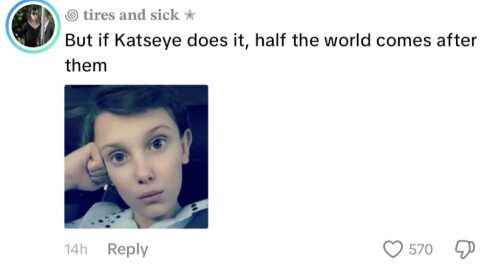
By the morning of August 23, clips of the performance had reached millions of views on TikTok and X (formerly Twitter). The reaction was immediate and divided. On TikTok, where the group’s official account posted a highlight reel, the comment section became a battleground for differing perspectives. One faction of viewers expressed discomfort with the "overly sexual" nature of the dance, with some drawing comparisons to the recent controversy surrounding the global girl group KATSEYE. Critics argued that the trend of increasingly revealing performances was a distraction from musical talent and a concerning shift in industry norms.
Conversely, a significant portion of the audience came to Soyeon’s defense. These supporters emphasized that the Waterbomb Festival is an adult-oriented venue where such performances are not only expected but welcomed. They argued that Soyeon, an adult woman in her mid-20s with full creative control over her career, should be allowed the freedom to explore different facets of her identity without being subjected to double standards that rarely apply to male performers in similar settings.
Comparative Analysis: The KATSEYE and Industry Standards Debate
The comparison to KATSEYE, a group formed through a collaboration between HYBE and Geffen Records, is particularly notable in this discussion. KATSEYE recently faced criticism for styling that some perceived as too mature for their age range and target demographic. However, fans of Soyeon were quick to point out the fundamental differences between the two cases.

"Soyeon is a 27-year-old woman who writes, produces, and directs her own stages," one viral tweet read. "Comparing her to a newly debuted group with different age dynamics and a different target audience is a false equivalency. Waterbomb is not a children’s show."
This sentiment highlights a growing tension within the K-pop community regarding the "protection" of idols versus the "empowerment" of artists. While there is a valid concern regarding the hyper-sexualization of minors or young adults in the industry, observers note that applying the same restrictive lens to established, independent artists like Soyeon can be seen as a form of infantilization. Soyeon has historically used her platform to challenge societal expectations of women, most notably in (G)I-DLE’s "Nxde," which critiqued the male gaze and the sexualization of female celebrities. Supporters argue that the "I Hate Vegetables" performance is likely another layer of this subversion—using a "sexy" exterior to deliver a song with a title that mocks simplistic perceptions.
Artistic Implications and the Upcoming Solo Album
Industry analysts suggest that the provocative nature of the Sokcho performance is a strategic move to build momentum for Soyeon’s upcoming solo album. Throughout her career, Soyeon has demonstrated a keen understanding of "shock value" and its role in marketing. By creating a viral moment at one of the country’s most-watched summer festivals, she has ensured that her solo comeback is the primary topic of conversation within the music industry.
The song title "I Hate Vegetables" itself is being interpreted by some as a metaphor. In the context of the performance, it could represent a rejection of the "healthy" or "wholesome" image that the public often demands of female idols. By pairing a childishly named song with a mature performance, Soyeon continues her trend of irony and juxtaposition—a hallmark of her production style.
The Broader Impact on the K-pop Landscape
The debate surrounding the Sokcho Waterbomb performance reflects a broader shift in the South Korean entertainment landscape. As K-pop continues to expand globally, it is grappling with internal conflicts between traditional conservative values and more progressive, Western-influenced performance styles.
Events like Waterbomb provide a "safe zone" for this experimentation, yet the digital age ensures that these performances are no longer contained within the festival grounds. The instant availability of footage on global platforms means that a local performance can trigger a worldwide debate in a matter of hours. For agencies like Cube Entertainment, managing this balance between local sentiment and global viral potential is a delicate task.
Furthermore, the defense of Soyeon by her fans signifies a shift in fandom behavior. Modern fans are increasingly prioritizing "artistic autonomy" and "creative agency" over the traditional "idol" image. This evolution suggests that as more veteran idols take the reins of their own careers, the industry will have to adjust its expectations of what constitutes an "appropriate" performance for an adult artist.
Conclusion
Jeon Soyeon’s performance at Waterbomb Sokcho 2026 was more than just a musical set; it was a calculated assertion of her identity as an independent artist. While the provocative nature of the choreography has understandably sparked a variety of reactions, it has also highlighted the necessity of nuanced discussions regarding age, venue, and artistic intent in the music industry.

As Soyeon prepares to release her full solo album later this year, the "I Hate Vegetables" controversy serves as a reminder of her ability to command the spotlight and challenge the status quo. Whether viewed as a bold step in artistic evolution or a controversial deviation from norms, the performance has undeniably solidified Soyeon’s position as one of the most influential and discussed figures in contemporary K-pop. The industry now looks forward to the full release of her project, which will likely provide further context to the artistic vision she debuted on the Sokcho stage.