
The recent actions of an entertainment agency regarding its artist’s social media presence in the wake of his mandatory military enlistment have ignited a significant uproar among fans, prompting the agency to issue a clarifying response. This incident highlights the increasingly complex dynamics between celebrity management, fan expectations, and the digital footprint of public figures, particularly within the highly engaged South Korean entertainment industry. The controversy centered on actor Lee Jun Young, whose official Instagram account mysteriously saw the disappearance of nearly all his historical posts shortly after he commenced his military service, leading to widespread speculation and dissatisfaction among his dedicated fanbase.
The Disappearing Posts: A Chronology of Digital Discontent
The sequence of events unfolded rapidly, catching fans by surprise. Actor Lee Jun Young, known for his versatile performances across various dramas and films, officially enlisted as an active-duty soldier in the South Korean army on the 21st of last month. His enlistment marked a temporary hiatus from his entertainment career, a standard and mandatory rite of passage for all able-bodied South Korean men. Following his entry into boot camp for initial training, fans, who often rely on social media for updates and connections with their idols, noticed an unusual change on Lee Jun Young’s Instagram account.
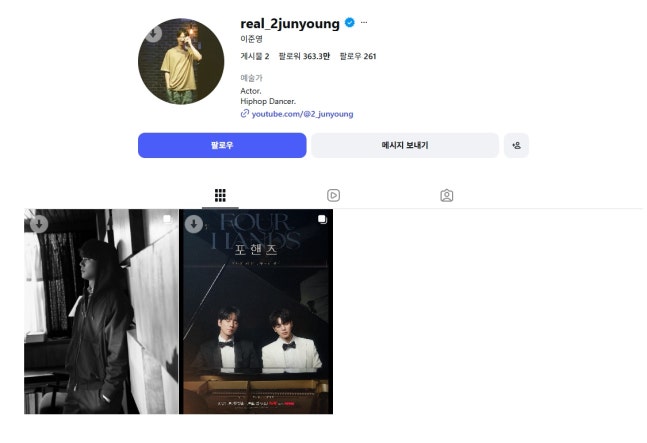
All posts predating his enlistment had vanished. The account, once a vibrant repository of his professional endeavors, personal glimpses, and interactions with fans, was suddenly barren save for two specific updates. These remaining posts were exclusively related to his upcoming tvN drama, Four Hands, Two Sonatas, which is scheduled to premiere on August 29th. This stark deletion of his digital history immediately sparked curiosity, which swiftly escalated into concern and then outright frustration among his followers. The sudden purge was perceived by many as an abrupt and unexplained erasure of his past work and connection points, especially problematic given his impending two-year absence from public life due to military service.
Fan Outcry and the Importance of Digital Legacy
The reaction from Lee Jun Young’s fanbase was swift and unequivocal. Social media platforms, fan forums, and online communities became hubs for expressing dismay and demanding explanations. Fans articulated their dissatisfaction through comments directly on his remaining Instagram posts and across various online channels. Typical sentiments included urgent queries like, "Where did the posts go?" and "There are so many requests to restore the posts. They need to be put back soon." The core of their frustration stemmed from a perceived disregard for the artist’s digital legacy and the emotional investment fans had in his online presence.
Many questioned the timing and rationale behind such an action, especially when the artist himself was incommunicado due to military training. Comments such as, "He’s not coming out of the military anytime soon, so why are they taking down posts now?" underscored the feeling that this was an unnecessary and poorly timed move. The fact that only promotional material for Four Hands, Two Sonatas remained further fueled suspicions that the decision was driven purely by commercial interests, overshadowing the artist’s broader career trajectory. "What is the agency doing? Give us back the feed. Is Four Hands, Two Sonatas the only work on his resume?" one fan critically remarked, highlighting the perceived narrowness of the agency’s focus and the comprehensive scope of Lee Jun Young’s career, which fans deeply value.

For fans, an artist’s social media feed is more than just a promotional tool; it is a chronicle of their journey, a scrapbook of memories, and a direct line of connection. The abrupt deletion of these posts felt like an arbitrary severing of that connection and an undermining of the shared history between the artist and his supporters. This incident underscores the profound emotional and psychological ties that fans forge with celebrities through digital platforms, making the management of these online spaces a critical aspect of public relations and fan engagement.
Agency’s Response and the "Renewal Process"
In response to the mounting pressure and widespread fan dissatisfaction, Lee Jun Young’s management agency provided an official statement. On the 24th of the month, just days after the controversy erupted, the agency communicated with a media outlet regarding the status of his social media account. The official explanation stated, "It is currently undergoing a renewal process and will be restored gradually. This is part of communication with the artist before his enlistment."
The phrase "renewal process" suggested an intention to revamp or reorganize the account, perhaps to streamline its content or align it with a new brand image. The clarification that this was "part of communication with the artist before his enlistment" implied that the decision was not arbitrary but rather a pre-planned strategy, albeit one executed with insufficient transparency or consideration for fan sentiment. This response, while providing an explanation, also implicitly acknowledged the agency’s active management of the artist’s social media during his military hiatus.
Crucially, following this official response and presumably in direct reaction to the fan outcry, posts began to be restored on Lee Jun Young’s account. This swift reversal demonstrated the significant influence of fan feedback on agency decisions and highlighted the agility required in managing public perception in the digital age. The restoration served to mitigate the immediate crisis, but the incident itself offered valuable insights into the complexities of celebrity management during periods of absence.
The Intricacies of Military Enlistment and Celebrity Careers
Mandatory military service is a unique and often challenging aspect of being a male celebrity in South Korea. It typically entails a hiatus of approximately 18 to 21 months, during which artists are largely cut off from public life and their entertainment careers. This period can significantly impact an artist’s momentum, public visibility, and even their fan base. Consequently, agencies often engage in meticulous planning before an artist’s enlistment to minimize career disruption and maintain fan engagement.
Strategies commonly include pre-filming dramas, movies, or variety show appearances; releasing pre-recorded music; and preparing various forms of content that can be disseminated during the artist’s absence. Social media management also plays a crucial role. Agencies often take over an artist’s accounts to share updates, promotional material for pre-filmed projects, or occasional messages drafted by the artist before enlistment. The goal is to keep the artist relevant and connected with their audience, ensuring a smoother transition back into the industry upon discharge.
However, the "renewal process" strategy employed in Lee Jun Young’s case, particularly the mass deletion of historical posts, deviated from the more common approach of simply maintaining or strategically updating accounts. While an agency might seek to curate a more professional image or highlight specific projects, a complete removal of an artist’s digital history is an aggressive move that can easily backfire, as this incident demonstrated. It risks alienating fans who see these posts as part of the artist’s journey and personal narrative, not merely disposable content.
Lee Jun Young’s Trajectory: From Idol to Acclaimed Actor
Born in 1997, Lee Jun Young embarked on his entertainment journey as a member of the K-pop group U-KISS in 2014. His transition from an idol singer to a respected actor has been notably successful, showcasing his versatility and dedication. He has built an impressive filmography, earning critical acclaim and a growing fan base through diverse roles. His acting credits include notable dramas such as Avengers Social Club, where he first gained significant recognition for his acting prowess, and the critically acclaimed Netflix series D.P., which tackled the sensitive issue of military deserters.
Further solidifying his acting credentials, he appeared in Mask Girl, a dark thriller that garnered international attention, and Weak Hero Class 2, demonstrating his capacity for intense and complex characters. More recently, he was part of the highly anticipated cast of When Life Gives You Tangerines, an upcoming series that promises to be another significant project. His career trajectory exemplifies a successful pivot from K-pop to K-drama, a path many idols attempt but few navigate with such consistent success and critical reception. This rich history of work is precisely what his fans cherish and wished to see preserved on his social media.
Pre-Enlistment Preparations: Ensuring Continued Visibility
Understanding the inevitable pause his military service would impose, Lee Jun Young proactively engaged in extensive pre-enlistment work to ensure his continued presence in the public eye. Before entering the military, he diligently completed filming for several projects, strategically planning for his temporary absence. These include the drama Four Hands, Two Sonatas, which was at the center of the Instagram controversy, as well as another drama titled Our Sticky Love, and the film Handwritten.
This foresight in completing multiple projects before his enlistment is a common and effective strategy employed by many South Korean celebrities. It allows them to maintain visibility and engage with their audience through new content even while serving in the military. This approach helps to "soothe fans’ regrets" over his temporary departure, offering them new material to look forward to and consume. The availability of these pre-filmed works helps to bridge the gap created by his military service, ensuring that his career momentum is not entirely lost. However, the Instagram incident illustrated that even with careful content planning, missteps in digital communication can still create significant friction with the fanbase.
Implications for Artist-Fan Relations in the Digital Age
The Lee Jun Young Instagram controversy serves as a poignant case study on the evolving nature of artist-fan relationships in the digital age. In an era where social media platforms are often the primary conduits for direct interaction and information, the management of a celebrity’s online presence carries immense weight. Fans today expect a degree of authenticity, accessibility, and continuity from their idols, and any perceived breach of these expectations can lead to swift and vocal backlash.
For entertainment agencies, this incident underscores the critical importance of transparent communication and a deep understanding of fan psychology. While agencies hold legitimate interests in managing an artist’s brand and promotional activities, particularly during significant life events like military enlistment, these efforts must be balanced with respect for the artist’s existing digital legacy and the emotional investment of their fans. Arbitrary deletions or significant alterations to an artist’s online history without clear, proactive communication can be interpreted as dismissive or controlling, eroding trust and fostering resentment.
The rapid restoration of Lee Jun Young’s posts after the fan outcry also highlights the significant power of collective fandom in contemporary K-pop and K-drama industries. Fan bases are highly organized, vocal, and capable of mobilizing quickly to express their opinions and exert pressure. Agencies that fail to acknowledge this power and respond effectively risk not only public relations crises but also damage to the artist’s image and long-term fan loyalty.
Conclusion: A Precedent for Digital Legacy Management
The incident involving Lee Jun Young’s Instagram account, from the initial deletion of posts to the fan uproar and the eventual restoration, provides valuable lessons for the broader entertainment industry. It reinforces that an artist’s digital footprint is not merely a collection of promotional materials but a living archive of their career, personal journey, and connection with their audience. Preserving this digital legacy, especially during periods of unavoidable absence like military enlistment, is crucial for maintaining fan engagement and ensuring a seamless return to the industry.
The agency’s explanation of a "renewal process" suggests an evolving approach to celebrity social media management, but the negative reaction indicates that such processes must be executed with greater transparency and sensitivity to fan expectations. In an industry increasingly defined by digital interaction, navigating these nuances will be paramount for both artists and their management to foster enduring relationships with their global fan bases and protect their brand integrity. As Lee Jun Young continues his military service, his pre-filmed projects will keep his presence alive, but the lessons from this Instagram episode will undoubtedly shape how his digital journey is managed moving forward.