Girl Group Goes Viral For “Completely Botching” Live Performance of Iconic K-Pop Song
Article Editorial Team

Japanese girl group ME:I has become the subject of intense online scrutiny and widespread discussion in South Korea after their live cover of the iconic K-Pop song “Golden” sparked a torrent of brutally honest reactions from netizens. The performance, featuring members MiU, Ayane (also known as Takami Ayane), and Tsuzumi, has ignited a debate about vocal preparedness, song selection, and the pressures of live performance in the highly competitive K-Pop landscape.
A Risky Song Choice and Immediate Backlash
The controversy erupted following ME:I’s recent live rendition of “Golden,” a notoriously challenging track originally performed by the acclaimed K-Pop group KPop Demon Hunters. Known for its demanding vocal range, intricate transitions, and soaring high notes, “Golden” is considered a benchmark for vocal prowess within the K-Pop industry, making it a perilous choice even for seasoned vocalists.
Clips of ME:I’s performance, which showcased members MiU, Ayane, and Tsuzumi tackling the formidable song, began circulating across various online platforms shortly after its broadcast. While the attempt itself demonstrated ambition, the execution quickly drew critical attention, particularly from Korean netizens. Initial reactions highlighted significant issues with pitch accuracy, vocal control, and overall stability throughout the performance.
Chronology of a Viral Moment
The timeline of ME:I’s viral moment unfolded rapidly across social media and online communities:

- May 28, 2026: The live performance of “Golden” by ME:I members MiU, Ayane, and Tsuzumi takes place. The specific event or broadcast where this performance occurred was not widely publicized initially, but snippets quickly began to appear online.
- Late May 28 – Early May 29, 2026: Short clips and fan-recorded snippets of the performance start gaining traction on X (formerly Twitter) and other social media platforms. Early comments from both Japanese and international fans begin to emerge, with some expressing concern over the vocal delivery. A tweet from user @lgmjmj_gql_dmw, timestamped May 29, 2026, explicitly called the performance "awful," pinpointing Ayane’s (referred to as Takami) pitch issues as "broadcast accident level." This particular tweet also raised broader concerns about ME:I’s stability, referencing "mass withdrawals" – a speculative comment by the netizen that hinted at underlying issues within the nascent group.
- May 30, 2026 (KST): The discussion reached a critical mass on the popular Korean online forum theqoo. A dedicated post featuring the performance rapidly went viral, accumulating hundreds of comments within hours. It was on this platform that the most "brutally honest" and widespread criticism from Korean netizens solidified, pushing the incident into mainstream K-Pop discourse. The prevailing sentiment revolved around a collective bewilderment at the group’s decision to attempt such a vocally demanding song live.
Netizen Reactions: Confusion, Criticism, and Nuance
The online reception to ME:I’s “Golden” cover was predominantly negative, with many Korean netizens expressing outright shock at the perceived vocal struggles. Comments frequently questioned the group’s preparedness and the judgment of their management.
"This is awful… Takami’s pitch is so off it’s broadcast accident level, right? Ever since the mass withdrawals, ME:I’s been a total mess, huh?" read one prominent tweet, reflecting the sentiment of many who felt the performance fell significantly short of industry standards.
On theqoo, comments ranged from direct criticisms of the members’ singing abilities to broader inquiries about the group’s training regimen. "Did they even rehearse this? It sounds like they couldn’t even match the pitch in practice," one commenter lamented, while another added, "Who made them do this?! This song is a death trap even for the most experienced idols." The difficulty of "Golden" was a recurring theme, with many arguing that selecting such a complex track for a live performance, particularly one without substantial vocal backing, was a severe miscalculation. The sheer audacity of the song choice, rather than the mistakes themselves, seemed to be the primary source of public bewilderment.
However, the deluge of criticism was not entirely one-sided. A smaller segment of netizens offered a more measured perspective. These commenters acknowledged the extreme difficulty of "Golden," pointing out that even the original artist, KPop Demon Hunters, has been known to adjust the key or arrangement for certain live performances to accommodate its intense vocal demands. Some also expressed a degree of respect for ME:I’s decision to perform live without relying heavily on a pre-recorded backing track – a practice that, while common, is often criticized in the K-Pop sphere when it overshadows genuine live singing. "At least they’re singing live, that takes courage," one netizen remarked, while another suggested, "It’s a tough lesson, but hopefully they learn from it and come back stronger."
ME:I: From Produce 101 Japan to K-Pop Spotlight
ME:I is a Japanese girl group formed through the popular reality survival show Produce 101 Japan The Girls. The Produce 101 franchise, originating in South Korea, is renowned for its rigorous training and intense competition, culminating in the formation of temporary or permanent idol groups. ME:I’s formation through the Japanese iteration placed them in a unique position, aiming to bridge the J-Pop and K-Pop markets. Their debut was highly anticipated, carrying the weight of expectations from fans who followed their journey on the show.

The Produce 101 format typically emphasizes comprehensive idol training, including vocal, dance, and stage presence. Graduates are expected to possess a high level of proficiency in these areas. For ME:I, performing an iconic K-Pop track like "Golden" could have been intended as a strategic move to showcase their capabilities and appeal to a broader East Asian audience, particularly in South Korea where the original song holds significant cultural cachet. However, this particular performance inadvertently highlighted the immense pressure and high standards associated with such cross-cultural endeavors. The netizen’s comment about "mass withdrawals" might refer to the inherent challenges and changes common in the post-survival show environment, or perhaps internal dynamics that are not publicly known, but it underscores a perceived instability that could further fuel public concern.
"Golden" and KPop Demon Hunters: A Vocal Benchmark
To understand the magnitude of ME:I’s challenge, it is crucial to delve into the background of "Golden" and its original performers, KPop Demon Hunters. KPop Demon Hunters, a prominent and highly respected K-Pop group, debuted several years ago and quickly established themselves as vocal powerhouses known for their intricate harmonies, powerful belts, and dynamic stage presence. They are celebrated not only for their chart-topping hits but also for consistently delivering high-quality live performances.
"Golden" is widely considered their signature power ballad, released as a lead single from their critically acclaimed second studio album. The song quickly soared to the top of domestic and international charts, lauded by critics for its sophisticated composition and breathtaking vocal arrangements. Its complexity lies in several key elements:
- Extreme Vocal Range: The melody spans multiple octaves, requiring singers to transition seamlessly from delicate lower registers to powerful, soaring high notes within short musical phrases.
- Dynamic Shifts: "Golden" features dramatic shifts in dynamics and emotional intensity, demanding exceptional breath control and vocal stamina to maintain consistency.
- Intricate Harmonies: The original arrangement includes layered harmonies that require precise pitch and blending, adding another layer of difficulty for a cover performance.
- Sustained Power: The chorus, in particular, requires sustained vocal power and resonance, making it physically taxing to perform live without noticeable fatigue or strain.
For these reasons, "Golden" has become a touchstone for aspiring and established vocalists alike, often chosen in competitions to demonstrate extraordinary talent, but also serving as a perilous test that can expose any vocal weaknesses. Its reputation as an "iconic" K-Pop song is rooted in its musical brilliance and the exceptional vocal artistry required to perform it flawlessly.
Broader Implications: Cross-Cultural Standards and Industry Pressures
ME:I’s "Golden" performance has inadvertently opened a wider discussion about several critical aspects of the contemporary music industry:

Cross-Cultural Performance Expectations: The incident highlights the unique challenges faced by non-Korean groups attempting to cover K-Pop songs for a Korean audience. Korean netizens, accustomed to the stringent vocal standards of their own industry, often hold foreign acts to the same rigorous benchmarks. While J-Pop and K-Pop industries share some similarities, there can be subtle differences in training methodologies, vocal styles, and emphasis on live performance versus studio perfection. This viral moment underscores the need for groups like ME:I to not only master the technical aspects of K-Pop songs but also to understand and meet the specific expectations of the Korean market.
The "Live Vocal" Debate: The K-Pop industry is perennially engaged in a debate about live vocals. While elaborate choreography and visual spectacle are hallmarks of K-Pop, the expectation for idols to deliver strong, stable live vocals while executing complex dances remains paramount. Performances perceived as relying too heavily on pre-recorded tracks or being vocally unstable often draw sharp criticism. ME:I’s attempt, while brave for its apparent lack of heavy backing, became a focal point for this ongoing discussion, demonstrating the double-edged sword of performing fully live without sufficient preparation.
The Double-Edged Sword of Social Media: In the age of instant virality, a single performance can quickly define a group’s narrative, for better or worse. For a relatively new group like ME:I, this incident could shape public perception early in their career. While the exposure is undeniable, the negative sentiment attached to it could create an uphill battle for gaining trust and respect, particularly in the highly critical Korean market. Social media platforms, while offering unparalleled reach, also amplify both praise and criticism with unprecedented speed and intensity.
Agency Strategy and Artist Development: The decision to perform such a difficult song raises questions about ME:I’s management strategy. Was this a calculated risk to demonstrate ambition, or a misjudgment of the group’s current vocal capabilities for a live setting? Industry analysts suggest that such high-stakes performances require meticulous preparation, including extensive vocal coaching, stage rehearsals, and potentially, strategic key adjustments or partial backing tracks to ensure a consistently high-quality output. This incident could prompt a re-evaluation of ME:I’s training and performance scheduling moving forward.
Unofficial Responses and The Path Forward
As of the latest reports, ME:I’s agency has not released an official statement regarding the viral performance. This silence is common in the immediate aftermath of such incidents, as agencies often opt to observe the public reaction before formulating a response. Industry observers, however, anticipate that the group will likely intensify their vocal training and perhaps adopt a more cautious approach to song selection for future live stages, especially when targeting international audiences. The incident, while challenging, presents an opportunity for ME:I to demonstrate resilience and growth.
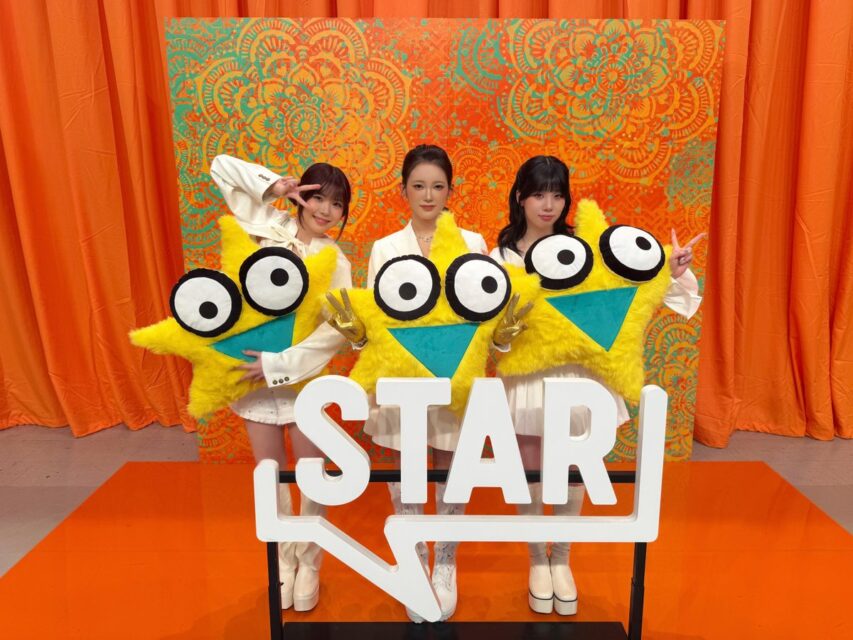
The debate surrounding ME:I’s "Golden" cover continues to resonate across Korean online communities. For some, it remains a stark example of a poor song choice and insufficient preparation, an unfortunate viral moment that could hinder the group’s burgeoning career. For others, it was a brave, albeit flawed, attempt at live singing, highlighting the immense pressure on new idols and the unforgiving nature of the K-Pop industry’s vocal standards. As ME:I navigates the aftermath of this high-profile performance, their trajectory will be closely watched, underscoring the delicate balance between ambition, talent, and strategic execution in the global music scene.
Related News