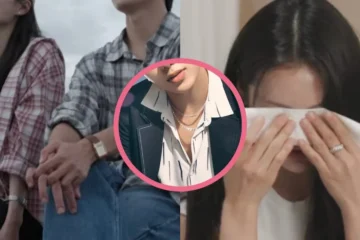
Handsome Idol Shares Most Embarrassing Rejection After Asking Out A Girl—And What Never To Do
Article Editorial Team
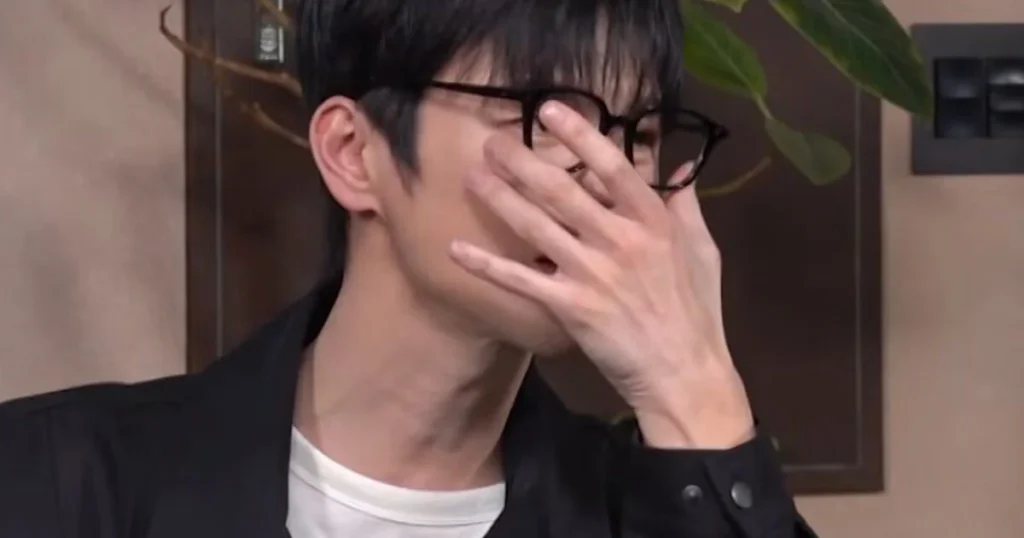
The landscape of South Korean variety programming has long served as a platform for celebrities to humanize their public personas by sharing vulnerable, often self-deprecating anecdotes from their personal lives. In the latest broadcast of the popular SBS variety series My Little Old Boy, also known as Mom’s Diary, acclaimed singer and actor Seo In Guk offered a candid look into his past, recounting a romantic rejection that has left a lasting impression on his approach to dating. The episode, which aired on May 10, featured Seo alongside fellow idol-turned-actress Kang Mina and actor Bae Yoo Ram, creating a forum for a frank discussion on the pitfalls of romantic confessions and the evolving etiquette of modern courtship in the entertainment industry.
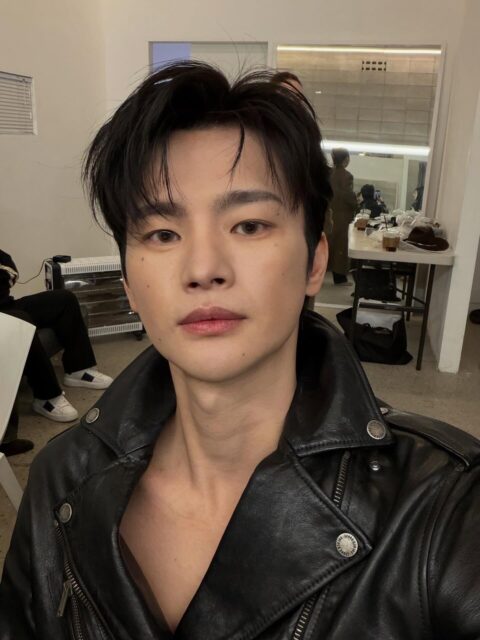
Seo In Guk, who first rose to national prominence as the inaugural winner of the talent competition Superstar K in 2009, has since cultivated a reputation as one of the industry’s most versatile "multi-hyphenates." With a career spanning chart-topping ballads and critically acclaimed lead roles in dramas such as Reply 1997, Doom at Your Service, and Death’s Game, Seo is often perceived by the public as a figure of effortless charm and romantic success. However, his recent appearance on My Little Old Boy challenged this "perfect" image, revealing that even those at the pinnacle of the Hallyu wave are not immune to the sting of unrequited feelings and social awkwardness.
The Anatomy of a Failed Confession
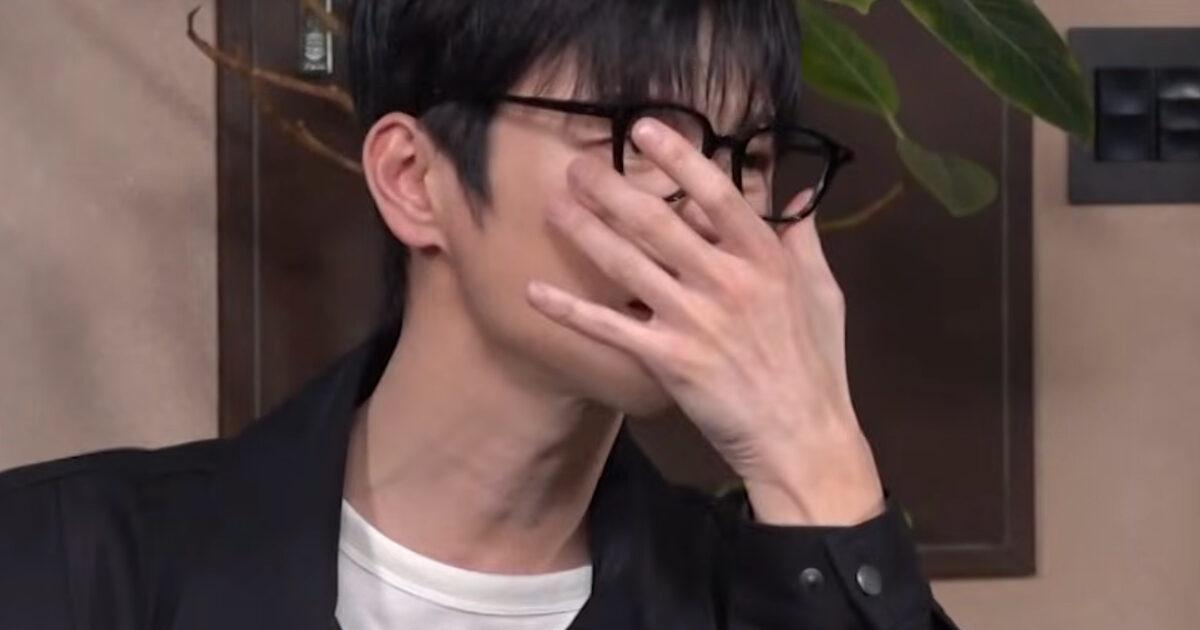
The conversation began when Bae Yoo Ram shared his own experiences with romantic setbacks, expressing a common assumption that a star of Seo In Guk’s caliber would likely have a flawless track record in romance. Seo was quick to dismantle this misconception, stating emphatically that he had faced numerous rejections throughout his life. He specifically highlighted one incident from his younger years that remains a source of significant "secondhand embarrassment" for those who hear it.
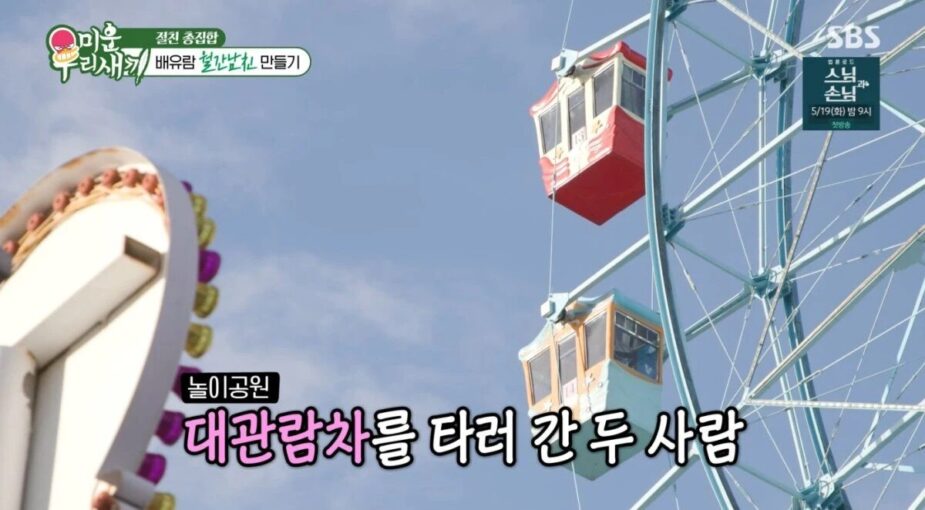
The setting for Seo’s most memorable rejection was a Ferris wheel—a location traditionally associated with cinematic romance and high-altitude intimacy. Seo explained that he had developed feelings for an older girl, referred to in Korean culture as a "noona." Seeking to create a grand, unforgettable moment, he decided to confess his feelings while they were suspended in the air.
"As soon as we got on the Ferris wheel, I said, ‘Noona, I have something to tell you,’" Seo recounted during the broadcast. In an attempt to lean into the romanticism of the moment, he performed a song for her, intending to demonstrate the depth of his sincerity. He then formally asked her to enter into a relationship with him. The response, however, was a definitive pivot toward the "friend zone." The woman declined his proposal, suggesting that they maintain their existing dynamic as "noona and dongsaeng" (older sister and younger brother figure).

The Psychological Toll of the "Enclosed Space" Rejection
The failure of the confession was compounded by the physical constraints of the Ferris wheel. Unlike a confession made in a park or a cafe, where either party can make a polite exit, the Ferris wheel created a "closed-loop" environment. Once the rejection occurred, the two were forced to remain in the small, enclosed cabin together until the ride completed its rotation.
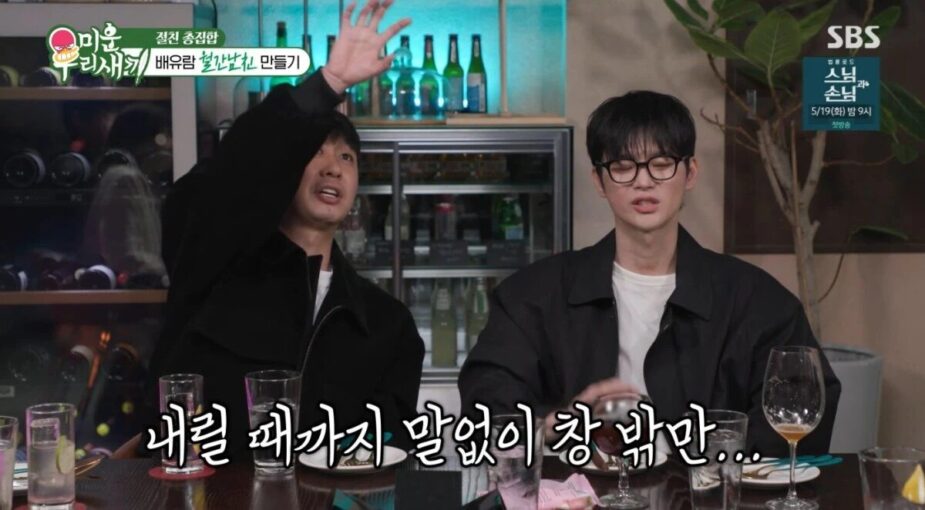
Seo described the aftermath as excruciatingly awkward. "I just sat there and looked out the window the whole ride until we got off the wheel," he admitted. This specific detail resonated strongly with the show’s panel and guests. Kang Mina, watching the retelling, described the situation as "suffocating," a sentiment echoed by the program’s regular commentators.
From a social psychology perspective, Seo’s experience highlights the risks associated with "high-stakes" confessions. While K-dramas often portray grand gestures in confined spaces as the height of passion, real-world dynamics often interpret such moves as putting undue pressure on the recipient. When a confession occurs in a space from which the other person cannot escape, it can transform a romantic gesture into a socially claustrophobic experience.
Strategic Advice: The Case Against Musical Confessions
Based on the trauma of this event, Seo In Guk has developed a firm stance on dating etiquette, which he now shares as a cautionary tale for others. His primary piece of advice is a categorical rejection of musical or performative confessions.
"That’s why whenever someone says they’re going to confess by playing the piano or singing or whatever, I do everything in my power to stop them," Seo stated. He noted that while the person performing the song might feel they are being brave or romantic, the recipient often finds the experience "cringeworthy" or uncomfortable. Kang Mina corroborated this view, noting that grand musical gestures often trigger a "cringe" response (known in Korean as ogeul-georida) rather than a romantic one.
This shift in perspective reflects a broader trend in South Korean dating culture. While the early 2000s were characterized by elaborate "events"—which might include public displays of affection, rose petals, or serenades—modern sensibilities among Millennials and Gen Z lean toward "low-pressure" interactions. Direct, honest communication is increasingly favored over choreographed spectacles that can feel performative or manipulative.
Contextual Background: Seo In Guk’s Public Persona
To understand why this revelation garnered such significant attention, one must consider Seo In Guk’s standing in the South Korean entertainment landscape. Seo is not merely a singer; he is a symbol of the "self-made" star. His victory on Superstar K was a watershed moment for cable television in Korea, proving that talent from outside the "Big Three" entertainment agencies could achieve superstardom.
His transition to acting was equally impactful. His role as Yoon Yoon-jae in Reply 1997 is credited with sparking the "Reply" franchise phenomenon and established him as a premier romantic lead. In that series, his character’s confession scenes were hailed as iconic. The irony of the actor who perfected the "on-screen confession" failing so spectacularly in his private life provides a layer of relatability that fans find deeply engaging.
Furthermore, Seo’s career has been defined by his "visuals" and his "cool" image. By sharing a story where he was neither cool nor successful, he aligns himself with the core demographic of My Little Old Boy—viewers who enjoy seeing the human vulnerabilities behind the polished veneer of celebrity life.

Broader Implications for Celebrity Variety Content
The segment on My Little Old Boy is indicative of a larger shift in how Hallyu stars manage their public images. In previous decades, idols and actors were often managed under strict "mystique" policies, where personal failures or dating lives were strictly off-limits. Today, authenticity is the most valuable currency in the attention economy.
Programs like My Little Old Boy, I Live Alone, and various YouTube talk shows hosted by celebrities (such as those by Lee Young-ji or Suga of BTS) thrive on these moments of radical honesty. By sharing his "most embarrassing" memory, Seo In Guk effectively strengthens his bond with his audience. He moves from being a distant idol to a relatable peer who has also navigated the minefield of youthful romance and social blunders.
The reaction from the public following the broadcast has been overwhelmingly positive, with many netizens praising Seo for his honesty. Social media discussions have centered on the "Ferris wheel trauma," with many users sharing their own stories of failed romantic "events." This collective sharing of "cringe" experiences serves as a social lubricant, demystifying the often-intimidating world of celebrity romance.
Conclusion: Lessons in Modern Courtship
Seo In Guk’s story serves as a practical lesson in the importance of reading the room—or in this case, the cabin. The primary takeaway from the broadcast is that the success of a romantic confession is rarely determined by the grandeur of the gesture, but rather by the mutual comfort and readiness of both parties.
As Seo continues his successful career in both music and television, his willingness to revisit his less-than-glamorous past provides a refreshing counter-narrative to the hyper-stylized world of Hallyu romance. His advice to avoid the "piano and song" route is more than just a personal preference; it is a reflection of a maturing dating culture that values emotional intelligence and spatial awareness over cinematic tropes.
Ultimately, the "Handsome Idol" has proven that the most attractive quality a celebrity can possess is the ability to laugh at their own past mistakes, providing both entertainment and a valuable public service announcement for the romantically ambitious: if you’re going to confess your love, make sure there’s an exit sign nearby.
Related News