

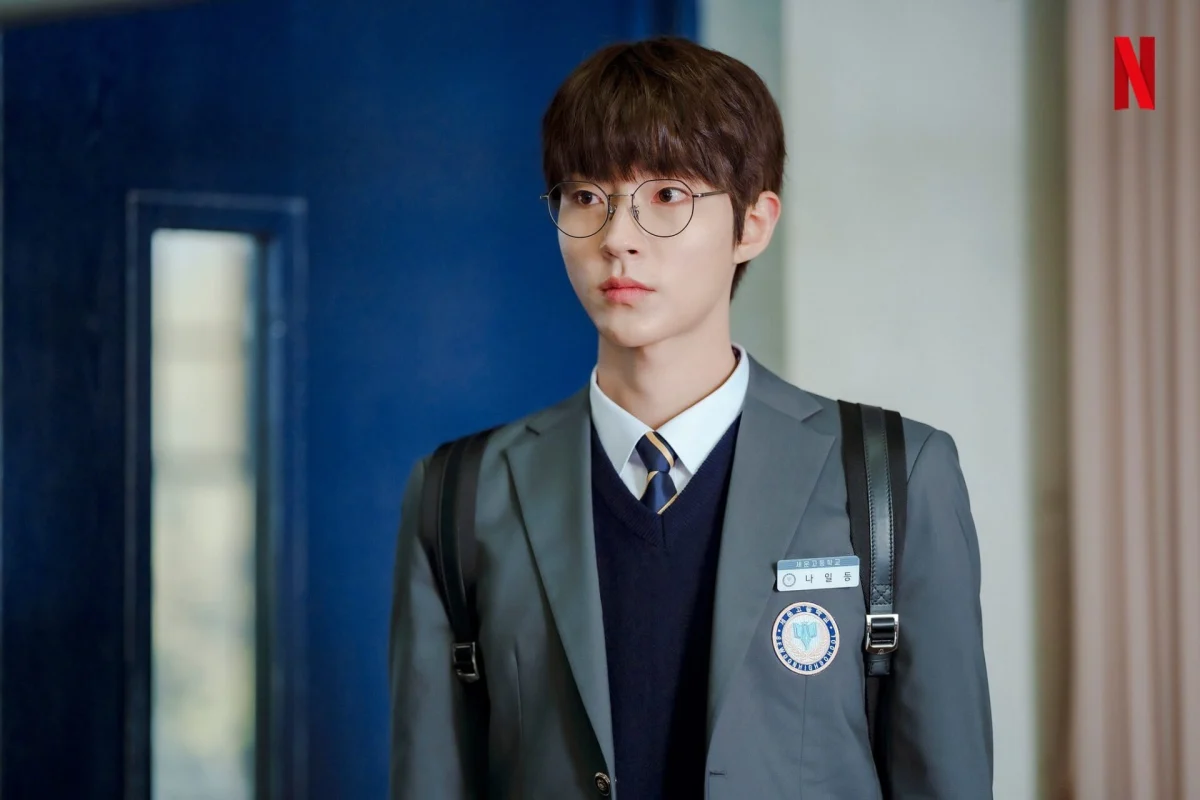
The Double-Edged Sword of Visual Youthfulness
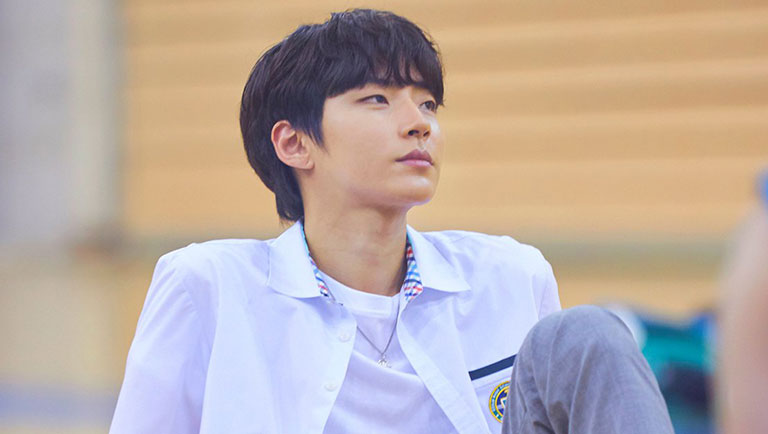
In the competitive landscape of Hallyu, "visuals" often dictate the roles offered to rising stars. For Hwang In Yeop, born in 1991, his sharp, feline features and slender build have allowed him to convincingly portray teenagers long after his own adolescence. While many actors would view the ability to look a decade younger as a professional advantage, the reality of the K-drama industry suggests that this can become a "gilded cage." When an actor becomes synonymous with the school uniform, the transition to mature, adult-oriented roles becomes increasingly difficult for production houses and audiences to envision.
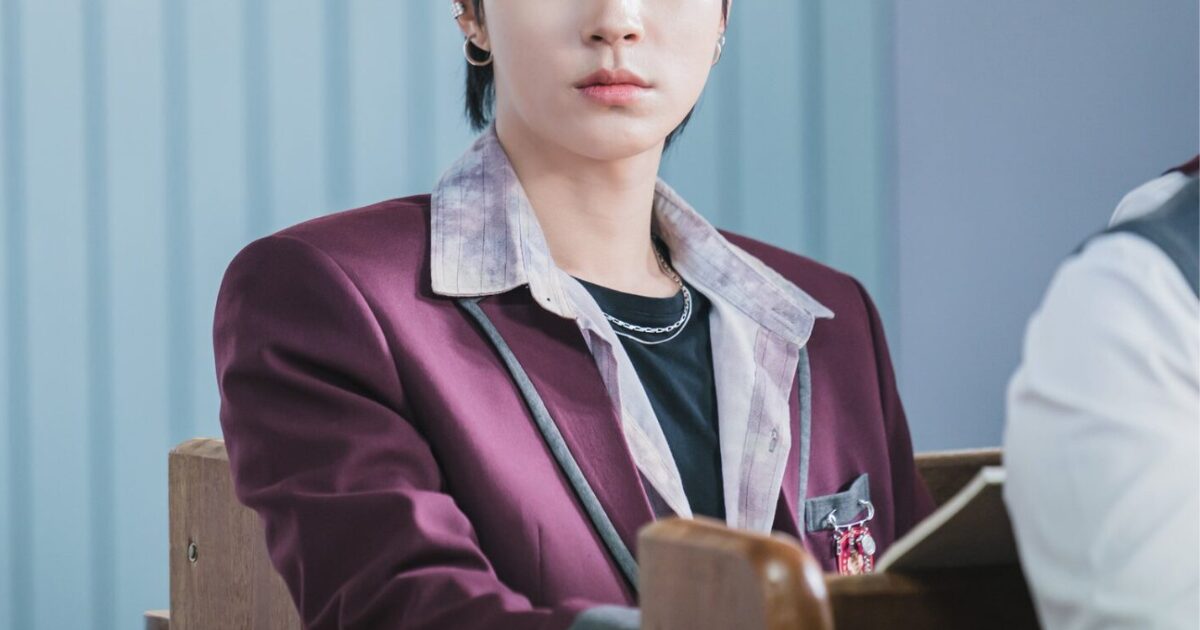
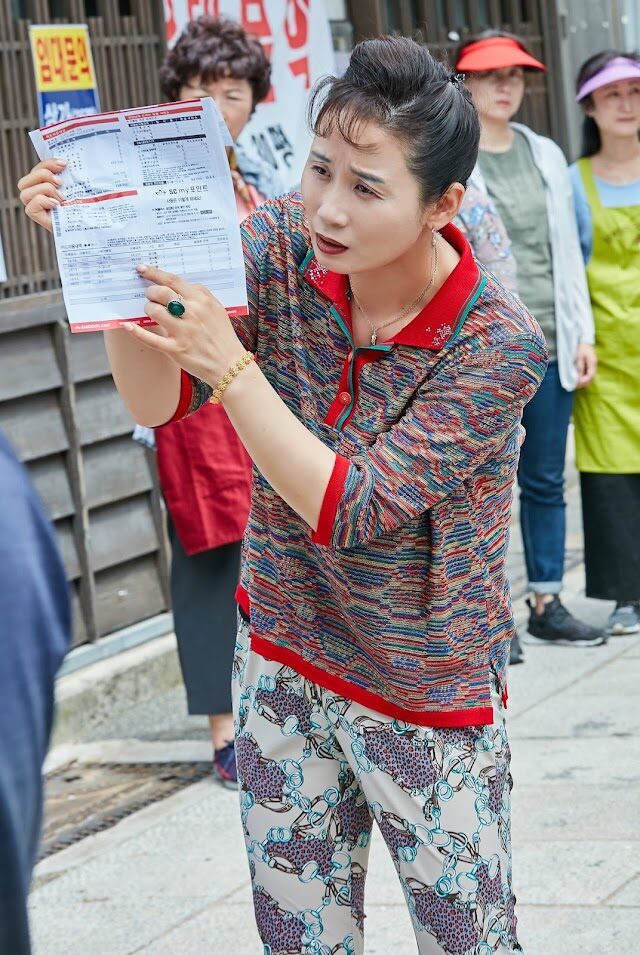
The plight of being pigeonholed is not unique to young-looking men. Veteran actress Kim Sun Young recently brought this issue to the forefront of public consciousness when she expressed her emotional exhaustion over being exclusively offered "ahjumma" (middle-aged woman) roles. Despite her immense talent and versatility, Kim found herself restricted to characters defined solely by their age and social status as mothers or neighborhood gossips. Her tears during a public appearance underscored the frustration felt by many in the industry who find their artistic growth stifled by the narrow imagination of casting directors.
A Chronology of the Eternal Student: Hwang In Yeop’s Career Path
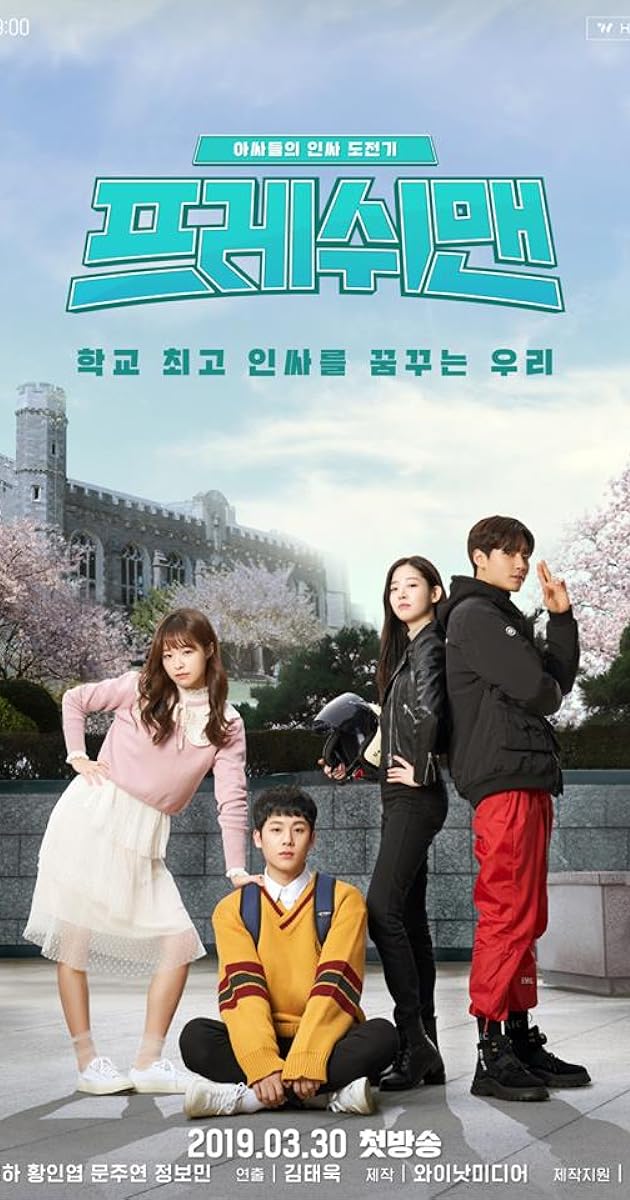
Hwang In Yeop’s journey in the entertainment industry began not on the screen, but on the runway. Starting as a model, he transitioned to acting with a debut in the 2018 web series Why. Even at the inception of his acting career, he was positioned within the "youth" bracket, playing a character navigating the complexities of early adulthood. This was followed by the 2019 web series Freshman, where he portrayed a university student struggling to adapt to campus life. These early roles established a template that would dominate his filmography for the next five years.

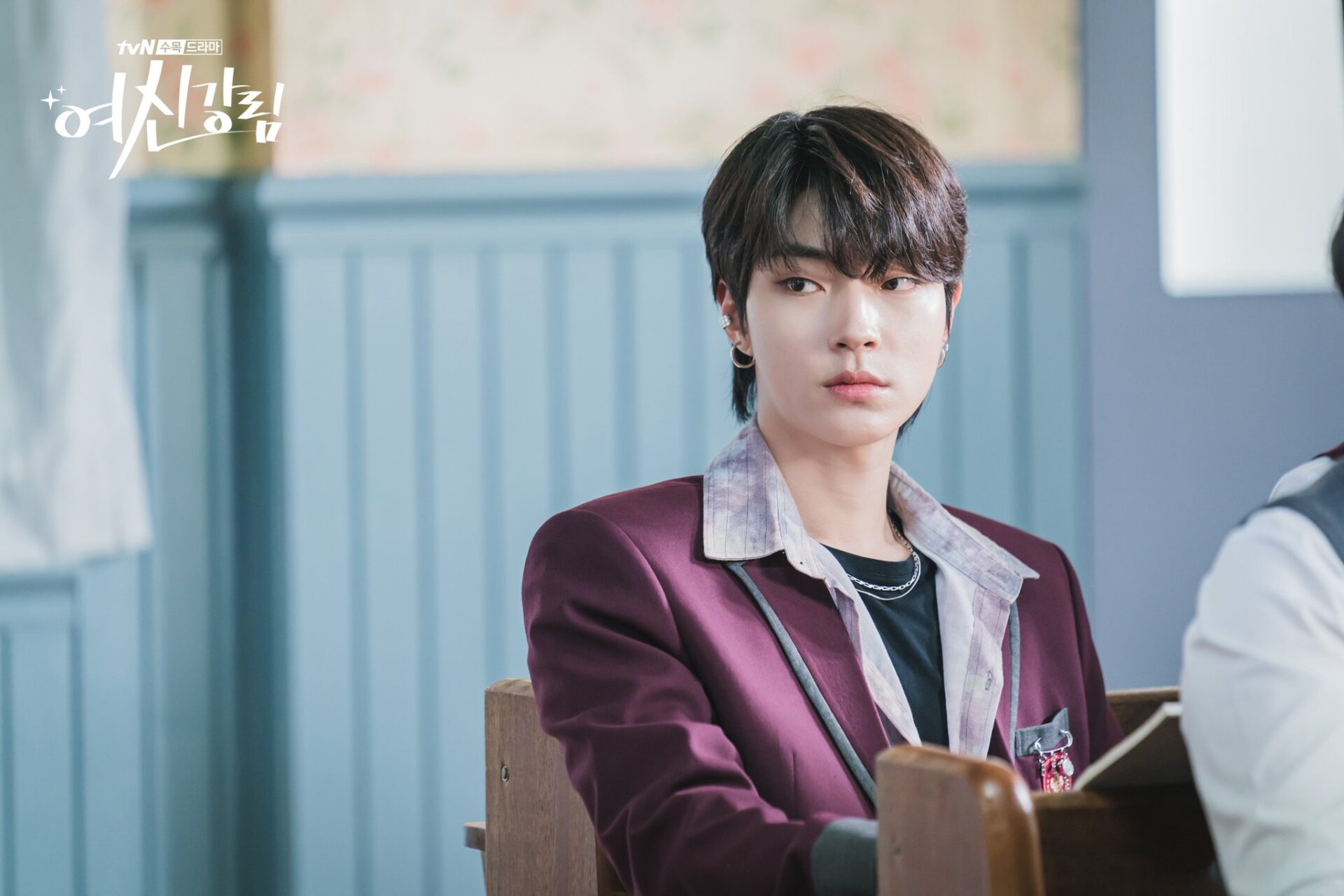
In 2020, Hwang’s career reached a turning point with the JTBC drama 18 Again, a remake of the American film 17 Again. In this production, he played Goo Ja-sung, a high school basketball team captain. While the role allowed him to showcase a blend of bravado and vulnerability, it firmly cemented his image as a high schooler. This image was further amplified by his breakout performance in the global hit True Beauty (2020-2021). Portraying Han Seo-jun, a "bad boy" with a heart of gold, Hwang gained international stardom. However, at the age of 30, he was still wearing a high school uniform on screen, a fact that began to draw comments from fans who noted the discrepancy between his real age and his character’s age.
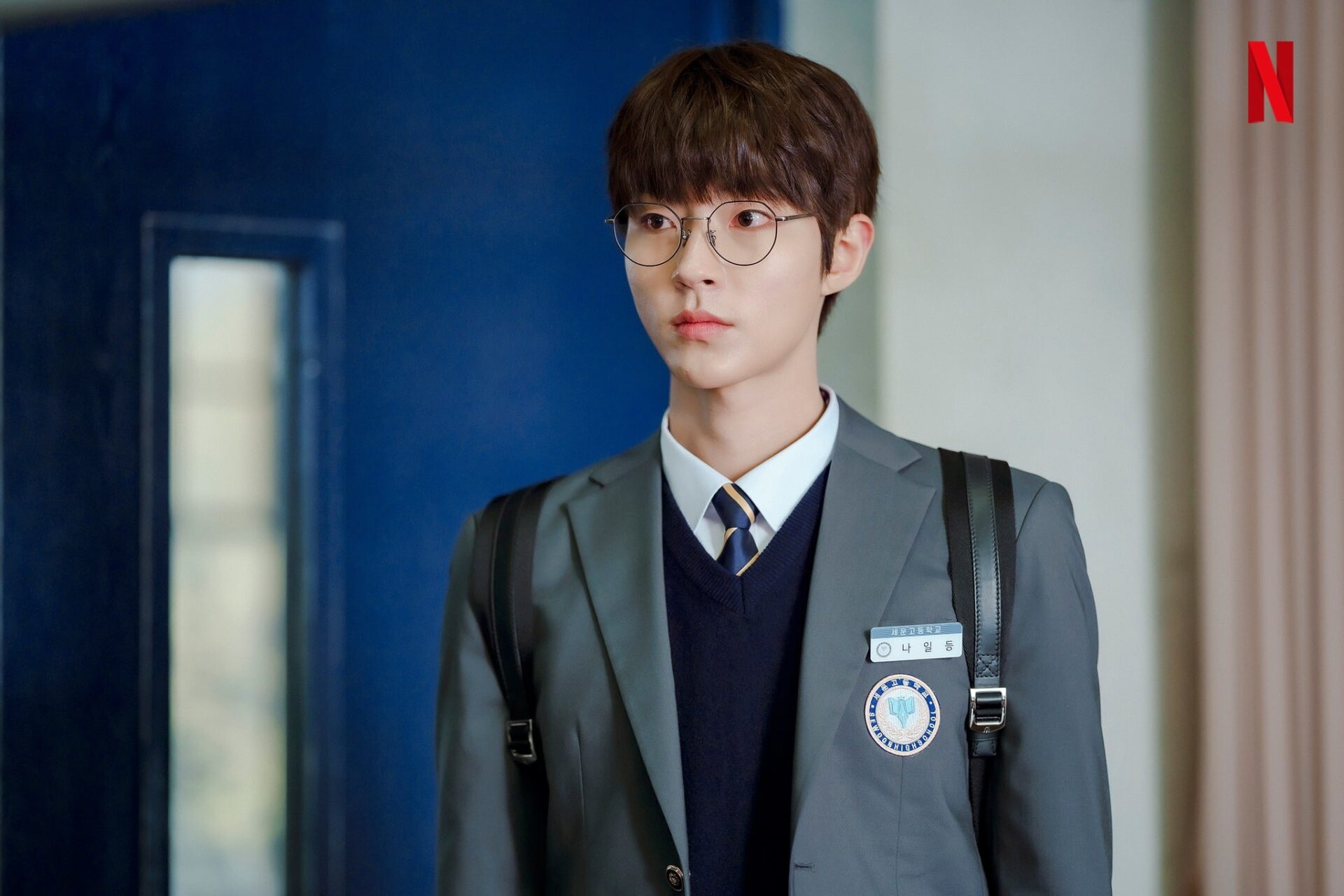
The pattern continued with Netflix’s The Sound of Magic (2022), where he played Na Il-deung, a top-ranked high school student burdened by parental expectations. Even when he "graduated" to higher education in the legal drama Why Her (2022), he was still cast as a student—this time a university law student—rather than a practicing professional. The cycle seemed to reach its peak with Family By Choice, a remake of the Chinese drama Go Ahead. Although the narrative of the show spans several years, including the characters’ adult lives, the promotional materials and initial episodes heavily featured Hwang back in a classroom setting, prompting a renewed wave of fatigue from the viewing public.
Public Reaction and the Call for "Graduation"
The discourse surrounding Hwang In Yeop’s career took a sharp turn on social media platforms like X (formerly Twitter) and Instagram following the release of teasers for Family By Choice. Netizens, while praising his acting ability and maintenance of a youthful appearance, expressed a collective weariness. Comments such as "Let this brother graduate already" and "He will be 40 soon and still going back and forth between high school and uni" became viral sentiments.
The frustration stems from a desire to see Hwang in more complex, adult environments. Fans have argued that his talent is being wasted on repetitive "coming-of-age" tropes that offer little room for character depth beyond academic pressure or first-love triangles. There is a growing demand for him to lead a "serious romance," a professional procedural, or a gritty thriller—roles that reflect his actual age and life experience. The sentiment "He better not return to the classroom" has become a rallying cry for those who wish to see him evolve into a leading man capable of carrying mature narratives.
Industry Implications: Why the Typecasting Persists
From a production standpoint, casting an actor in their 30s to play a teenager is often a calculated risk. Production companies value the maturity and discipline that an older, more experienced actor brings to the set, particularly for roles that require significant emotional weight. Furthermore, an actor with a pre-existing fan base, like Hwang In Yeop, ensures high viewership and international licensing deals. If an actor can still "pull off" the look of a student, producers are often hesitant to cast a true teenager who may lack the professional polish or marketability of an established star.
However, this practice has long-term implications for the industry. It creates a bottleneck for younger, actual high-school-aged actors who struggle to find roles in their own demographic. It also limits the variety of stories being told. If the same group of actors is cycled through school-based dramas for a decade, the narratives themselves can become stagnant, relying on the same visual cues and character arcs.
The Strategic Pivot: A New Chapter for Hwang In Yeop
Recognizing the shift in public sentiment and perhaps seeking his own professional evolution, Hwang In Yeop has recently embarked on projects that signal a departure from the educational system. His recent cameo in the series Dear X saw him playing a character outside the academic sphere—a popular idol secretly dating the protagonist. While still within the realm of the entertainment industry, the role allowed him to portray a professional adult navigating the complexities of fame and romance.
Even more significant is his casting in the upcoming drama Dream to You. In this project, Hwang is set to play a film director, a role that represents a complete break from his "eternal student" persona. This transition is crucial for his career longevity. By stepping into the shoes of a creative professional, he is effectively rebranding himself as a mature lead. This move mirrors the career paths of other successful Hallyu stars who successfully navigated the transition from youth icons to serious actors, such as Lee Min Ho or Gong Yoo, both of whom had to eventually shed their "flower boy" school identities to take on more grounded roles.
Broader Impact and the Future of Hallyu Leads
The case of Hwang In Yeop serves as a microcosm of the larger challenges facing Hallyu actors. The industry’s obsession with youth and "visuals" often clashes with the natural aging process and the artistic desire for growth. As the global audience for Korean content matures, there is an increasing appetite for stories that reflect adult realities, moving beyond the idealized hallways of high school.
The successful transition of Hwang In Yeop into mature roles would not only benefit his own career but also provide a blueprint for other actors currently trapped in similar typecasting cycles. It encourages casting directors to look beyond surface-level aesthetics and consider the psychological and narrative depth that comes with an actor’s actual age.
In conclusion, while Hwang In Yeop’s tenure as the "representative student" of K-dramas has been undeniably successful, the public mandate is clear: the classroom door must be closed. His upcoming roles as an idol and a film director mark the beginning of what many hope will be a prolific second act. As he moves away from the desk and into the professional world on screen, the industry and fans alike will be watching to see how he handles the weight of more complex, age-appropriate storytelling. The transition is not merely a change in costume, but a necessary evolution for an actor whose potential extends far beyond the limits of a school uniform.

Leave a Reply