
The relationship between a global entertainment conglomerate and its foundational artists is often scrutinized by fans, but a recent controversy involving HYBE and its flagship group, BTS, has sparked a significant debate regarding the ethics of cross-promotional marketing. Speculation began to mount on various online community platforms, most notably Nate Pann, where K-netizens analyzed recent concert scripts and tour announcements to suggest that HYBE may have used BTS’s massive platform to subtly plant the seeds for the debut or promotion of a junior group, CORTIS. The backlash centers on the allegation that personal interactions between BTS and their fans, the ARMY, were scripted by the company to serve as a marketing bridge for a rookie act, leading to accusations of "piggybacking" and "insincere communication."

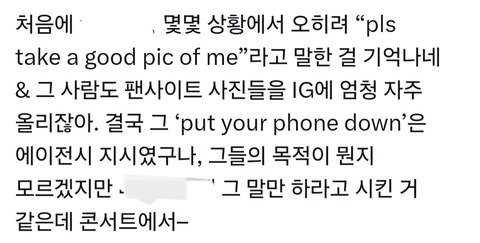
The controversy originated when fans began sharing photos of teleprompters used during recent BTS tour stops in both South Korea and the United States. According to the viral posts, specific instructions were given to members—particularly Jimin and V—to repeatedly ask the audience to "put your phones down." While many fans initially interpreted this as a genuine request from the artists to encourage a more immersive concert experience, the subsequent announcement of a tour titled "Put Your Phone Down" for HYBE’s rookie group, CORTIS, has led many to believe the dialogue was a calculated marketing maneuver.
The Prompter Revelation and Scripted Interactions
The core of the frustration among the BTS fandom lies in the perceived loss of authenticity. For years, BTS has been known for their candid and direct communication with fans. During past tours, members like V and Jungkook were frequently seen interacting with fans’ phones, taking selfies, or recording videos directly on devices handed to them from the front row. Furthermore, BTS members have historically encouraged fans to capture high-quality photos, often sharing fan-site images on their personal Instagram accounts or expressing gratitude for the visual documentation of their performances.

However, during the most recent tour legs, the tone shifted. Leaked photos of the stage prompters revealed specific lines assigned to the members. One such script read: "Jimin/V: Do you see a phone in my hand? No, right? It will be complete if you put your phone down safely!"
To the casual observer, this appears to be a standard request for concert etiquette. However, dedicated fans noted that the phrasing felt uncharacteristically rigid. The Original Poster (OP) of the viral Nate Pann thread commented, "I thought they just wanted us to put our phones down and enjoy the show. The members seemed to want that too, so I believed it. But then the title of HYBE’s rookie group’s tour… Honestly, Big Hit and HYBE would have used BTS to promote their junior idols without BTS knowing because they are fully capable of doing that."

The Link to CORTIS: "Put Your Phone Down" Tour
The suspicion turned into outright backlash following the official announcement of the "Put Your Phone Down" tour by CORTIS, a junior group under the HYBE umbrella. The direct linguistic match between the scripted lines delivered by BTS and the title of the rookie group’s tour struck many as too specific to be a coincidence.
In the competitive landscape of K-pop, "Easter eggs" and "lore-building" are common marketing strategies. Companies often hide clues about upcoming debuts or comebacks in the music videos or performances of established artists. However, fans argue that there is a distinct difference between artistic world-building and using an artist’s personal "ment" (the talking segments during concerts) to advertise a separate commercial product.

Netizens have expressed that by scripting these moments, HYBE effectively turned a sentimental interaction between BTS and ARMY into a pre-roll advertisement for another group. This has led to a broader discussion about the "perverted tendency," as described by some netizens, of the agency to provoke fans through subtle, seemingly accidental overlaps that ultimately serve corporate interests.
Historical Context of HYBE’s Cross-Promotion Strategies
This is not the first time HYBE (formerly Big Hit Entertainment) has faced criticism for how it integrates its various sub-labels and artists. As the company has expanded into a multi-label conglomerate, it has frequently sought ways to leverage the "BTS effect" to benefit its newer acts.
- The "Mediaplay" Phenomenon: HYBE has often been accused of using BTS’s name in press releases for junior groups to boost SEO and international visibility. While this is a standard business practice, the intensity and frequency with which it is applied have occasionally rankled the BTS fandom, who feel the group’s individual achievements are being diluted to serve a corporate narrative.
- Joint Concerts and Content: The introduction of the "Weverse Con" and various collaborative contents has been viewed by some as a forced integration of fandoms. While some fans enjoy the "HYBE Family" atmosphere, a significant portion of the ARMY prefers to keep BTS’s activities separate from the rest of the company’s roster.
- The "Next BTS" Narrative: Since BTS announced their temporary hiatus for mandatory military service, the pressure on HYBE to establish a successor has been immense. This pressure, fans speculate, has led to increasingly aggressive and sometimes "sly" marketing tactics designed to transfer BTS’s brand loyalty to rookie groups.
Analysis of Fan Sentiment and Market Impact
The backlash highlights a growing rift between the corporate strategies of K-pop "Big 4" companies and the expectations of their core fanbases. In the Nate Pann post, which garnered thousands of views and hundreds of comments, the sentiment was overwhelmingly one of disappointment.
One commenter noted, "HYBE fans will know what I mean. They have this tendency to provoke fans in a weird way, making it seem like a mistake or a coincidence." Another added, "It’s one thing to have a junior group cover a BTS song; it’s another thing to use the members’ voices to plant a slogan for a tour they aren’t even part of. It feels like we were being conditioned."
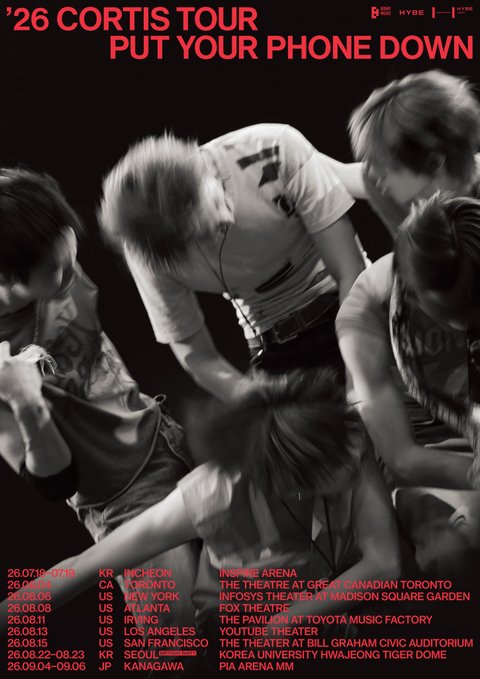
From a marketing perspective, the "Put Your Phone Down" campaign could be seen as a clever use of viral messaging. By having the world’s most influential artists repeat a phrase, the company ensures that the phrase becomes part of the community lexicon. When the junior group later adopts that phrase as their tour title, it carries a pre-established weight and familiarity. However, the risk of this strategy is the "alienation of the base." If fans feel that their emotional connection to the artist is being exploited for "noise marketing," the resulting brand erosion can outweigh the short-term gains of the promotion.
Broader Implications for the K-pop Industry
The "Put Your Phone Down" controversy serves as a case study in the evolution of idol-fan dynamics in the era of corporate consolidation. As K-pop agencies move toward the "platformization" of their artists—where singers are treated as entry points into a larger ecosystem of merchandise, games, and multiple groups—the boundaries of "authentic" interaction are becoming blurred.

1. The End of Spontaneity?
If concert scripts are being used to plant marketing seeds for other groups, fans may begin to view every "spontaneous" moment with skepticism. This could lead to a decline in the emotional investment that is the hallmark of the K-pop industry.
2. Ethical Marketing Boundaries
The industry may need to re-evaluate the ethics of "piggyback marketing." While it is logical for a company to want its successful products to help its new ones, doing so in a way that feels deceptive can lead to long-term reputational damage.

3. Fandom Autonomy
The ARMY, in particular, has a long history of asserting its autonomy. They have frequently pushed back against HYBE on issues ranging from dynamic pricing for tickets to the inclusion of NFTs in merchandise. This latest backlash is another chapter in the ongoing struggle between a fandom that views the artist as a human being and a corporation that views the artist as a multi-purpose asset.
Conclusion and Official Stance
As of now, HYBE has not issued an official statement regarding the allegations of scripted marketing during the BTS tour. It remains unclear whether the "Put Your Phone Down" phrasing was a deliberate tie-in or an unfortunate coincidence of creative teams working across different labels within the same parent company.

Regardless of the intent, the reaction from the public indicates a high level of sensitivity toward the commercialization of BTS’s legacy. For HYBE, the challenge moving forward will be to balance the growth of its younger groups with the respect and transparency required to maintain the trust of the world’s largest music fandom. As CORTIS prepares for their "Put Your Phone Down" tour, the shadow of this controversy will likely follow, serving as a reminder that in the world of global pop, authenticity is the most valuable—and most fragile—commodity.