Jungkook’s Shocking Live Vocals Trigger Hate Towards Controversial BTS Song
Article Editorial Team
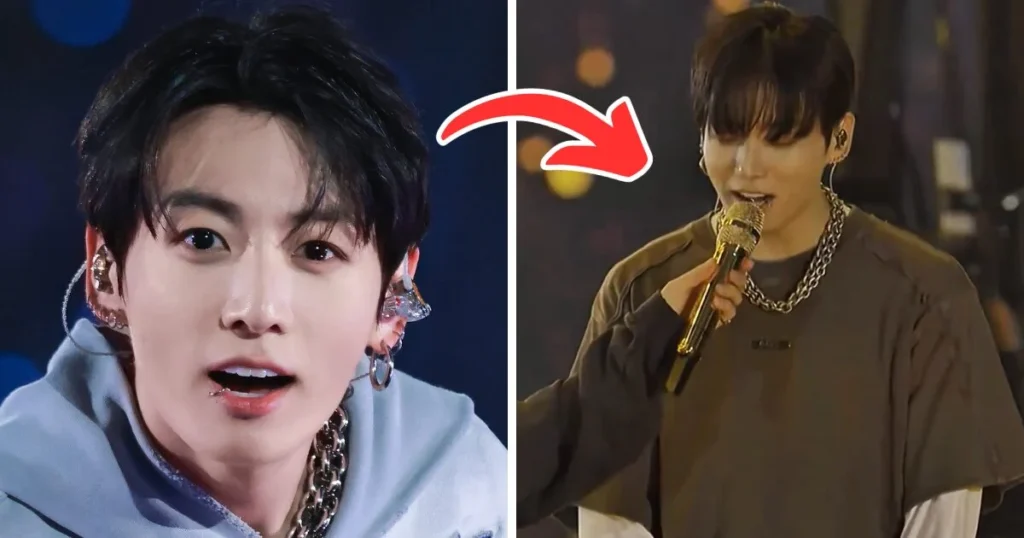
The recent live performance by BTS member Jungkook at the Tokyo Dome concert has reignited a fierce debate surrounding "Into the Sun," the final track from the group’s latest album, ARIRANG. What was once dismissed as a heavily processed, unengaging album closer has now become the focal point of intense criticism directed squarely at its studio production, with many fans feeling validated in their long-standing complaints.
The Genesis of the Controversy: "Into the Sun" and ARIRANG
Released as part of BTS’s highly anticipated album ARIRANG, "Into the Sun" immediately stood out to many listeners – though not for positive reasons. Since its debut, the track has consistently drawn fire from fans and music critics alike for what they perceived as an excessive reliance on autotune and an overly processed sound design. This production choice, many argued, buried the distinctive vocal talents of the BTS members under layers of digital manipulation, rendering their natural voices almost unrecognizable.
ARIRANG, a significant release in BTS’s discography, was intended to showcase the group’s evolving artistry and global appeal. However, "Into the Sun" quickly became a contentious outlier within the album. Initial reactions across social media platforms like X (formerly Twitter) and TikTok were swift and overwhelmingly negative. Fans expressed their disappointment, creating memes and satirical content that scathingly mocked the production quality. Many felt that the song, rather than highlighting the members’ renowned vocal prowess, actively obscured it, leading to a sense of frustration among a fanbase that deeply values authentic musical expression. The sentiment was succinctly captured in earlier reports, highlighting that "It’s Not Your Speakers – BTS’s ‘ARIRANG’ Album Just Doesn’t Sound Right," underscoring a widespread perception of production issues plaguing parts of the album.

The criticism wasn’t merely about personal preference; it touched upon a broader discussion within the K-Pop industry regarding the balance between polished, radio-ready production and the raw, unadulterated talent of vocalists. For a group like BTS, known globally for their exceptional live performances and distinct vocal colors, the perceived artificiality of "Into the Sun" felt like a puzzling misstep.
A Vocal Revelation: The Tokyo Dome Performance
The narrative around "Into the Sun" took a dramatic turn during BTS’s Tokyo Dome concert on April 18, 2026. As part of their setlist, Jungkook, the group’s main vocalist, performed a segment of the much-maligned track completely live. The moment was captured by numerous attendees and quickly disseminated online, setting off a chain reaction across the global ARMY fandom and beyond.
The live rendition was a stark contrast to the studio version. Stripped of the heavy autotune and dense processing, Jungkook’s voice shone through with remarkable clarity, power, and emotional depth. His ability to deliver the challenging melodies and intricate vocal runs flawlessly, in a live setting, silenced previous doubts about the song’s inherent quality. What had been criticized as a flat, artificial soundscape in the album transformed into a vibrant, dynamic performance that captivated the audience.
Fans who had previously written off "Into the Sun" entirely found themselves re-evaluating their stance. The raw, unfiltered quality of Jungkook’s vocals not only demonstrated his exceptional talent but also inadvertently highlighted the extent to which the studio production had altered the song’s original essence. The performance became an undeniable testament to the members’ vocal capabilities, prompting a collective realization that the problem wasn’t the song’s composition or the vocalists, but rather the production choices made during its recording.

Viral Sensation and Global Acclaim
The video clips of Jungkook’s live performance rapidly went viral. Initially spreading like wildfire among Japanese concert-goers, the footage quickly transcended geographical boundaries, gaining immense traction among Korean fans and the international ARMY alike. Social media platforms were inundated with reactions, with countless posts praising Jungkook’s vocal prowess and expressing renewed disappointment in the studio version of "Into the Sun."
The impact of the performance was so profound that it even caught the attention of prominent figures in the music industry. Notably, Tony Award-winning musical actress Lea Salonga reportedly heard the performance and expressed her admiration. Salonga, a world-class vocalist revered for her powerful voice and critical ear, especially within musical theatre, holds significant authority in assessing vocal talent. Her endorsement, widely circulated by fans, served as powerful external validation of Jungkook’s exceptional abilities and, by extension, underscored the perceived misjudgment in the song’s production. A social media post from a fan account, "JUNGKOOK’S WORLD," perfectly encapsulated this sentiment: "When a world-class vocalist like Lea Salonga—a Tony Award winner, vocal powerhouse, and one of the Philippines’ most respected music icons—recognizes vocal excellence, it means something. Her praise for Jungkook’s live vocals only proves what fans and even non-fans already know." This external praise further fueled the debate, lending credibility to the fans’ arguments against the studio mix.
Netizen Outcry: Renewed Calls for Production Accountability
The live stage performance has effectively reignited the debate around the studio version of "Into the Sun," transforming it from a niche fan complaint into a widespread public discussion. Korean netizens, known for their candid and often unfiltered opinions, have been particularly vocal, flooding online communities and social media with renewed criticisms.
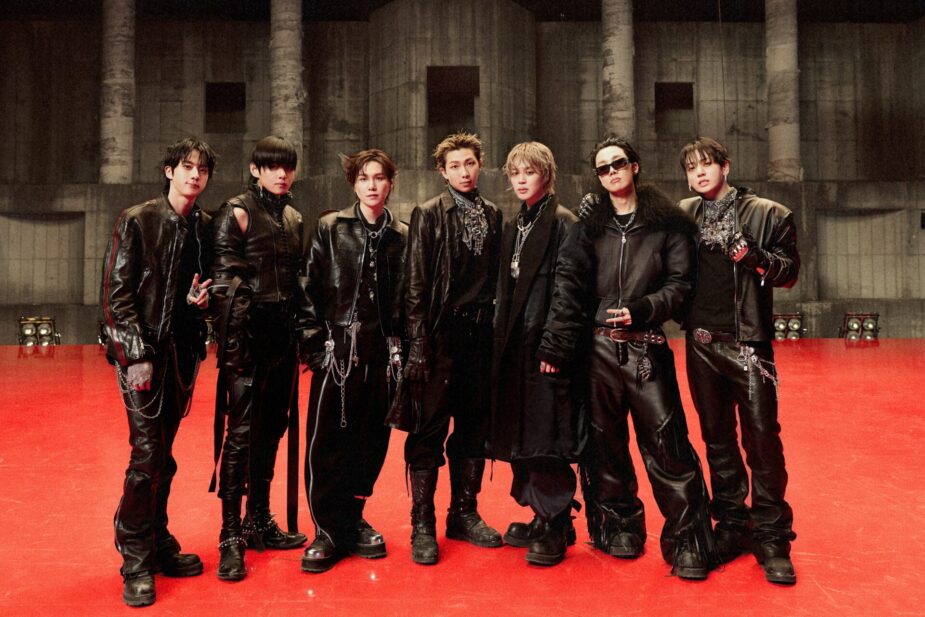
The core of the backlash centers on a perceived disservice to BTS’s vocalists. Many netizens argued that the production team at BigHit Music (under HYBE Corporation) had actively suppressed the natural talent of the members, opting for a trend-driven, heavily processed sound that ultimately detracted from the song’s potential. Comments ranged from outright anger to profound disappointment, with many questioning the artistic judgment behind such decisions. The sentiment was that if the members’ live vocals could sound so compelling, there was no justifiable reason for the studio track to be so heavily altered.
This isn’t an isolated incident. The K-Pop industry, while celebrated for its high-quality production values and innovative sound, has occasionally faced criticism for over-reliance on vocal processing. However, with a group of BTS’s stature and vocal reputation, the issue resonates more deeply. Fans expect a certain level of authenticity and respect for the artists’ natural abilities, especially given the extensive training and innate talent of the members.
The Broader Context: Autotune, Authenticity, and K-Pop Production
The "Into the Sun" controversy taps into a larger discussion about vocal production in contemporary music. Autotune and other vocal processing tools have become ubiquitous in pop music globally, used not just for pitch correction but also as creative effects. In K-Pop, the pursuit of sonic perfection and a highly polished sound often leads to extensive vocal layering, effects, and pitch correction, aiming for a consistent, idealized sound.
However, this pursuit sometimes clashes with the desire for authenticity. Artists like BTS, who have built their global empire on genuine connection, powerful narratives, and undeniable talent, face heightened scrutiny when their studio recordings diverge significantly from their live capabilities. The expectation from their global fanbase is that the studio tracks should, at the very least, accurately represent or enhance their natural voices, not mask them.

The production of "Into the Sun" raises questions about artistic direction versus market trends. Was the heavy processing a deliberate artistic choice to create a specific sonic landscape for ARIRANG? Or was it an attempt to align with certain popular production styles, perhaps at the expense of highlighting the members’ raw vocal power? The overwhelming fan reaction suggests that, whatever the intention, the execution alienated a significant portion of the audience who value vocal clarity and authenticity.
Producers and sound engineers often walk a tightrope, balancing artistic vision with technical perfection. In a high-stakes environment like K-Pop, where global consumption and critical reception are paramount, the pressure to deliver a flawless product can be immense. However, the "Into the Sun" debacle serves as a potent reminder that sometimes, less is more, and the inherent talent of the artists should be the star.
BTS’s Legacy and the Future of Production
The renewed backlash against "Into the Sun" has several implications for BigHit Music, BTS, and the broader K-Pop industry. For BigHit Music, it presents a challenge to re-evaluate their production methodologies and perhaps be more transparent or responsive to fan feedback regarding vocal processing. The company has a reputation for meticulous production, and this incident could prompt an internal review of how vocal integrity is maintained across their artists’ releases.
For BTS, this incident further solidifies Jungkook’s reputation as an elite vocalist, capable of elevating even a controversial track through sheer talent. It also validates the group’s overall vocal strength, demonstrating that any perceived weaknesses in the studio version are likely production-related rather than performance-related. This could empower the members to have more input in future production decisions, advocating for mixes that better showcase their natural voices.

More broadly, this incident could contribute to a larger industry conversation about the balance between technological enhancement and artistic authenticity. As K-Pop continues its global expansion, the demand for genuine talent and unadulterated performances is growing. Fans are increasingly discerning, equipped with social media to amplify their voices and hold production teams accountable. The "Into the Sun" controversy underscores that while advanced production techniques can create unique sounds, they should not come at the cost of obscuring the very talent they are meant to enhance.
In conclusion, Jungkook’s electrifying live performance of "Into the Sun" has inadvertently peeled back the layers of studio production, revealing a powerful vocal core that many fans felt was previously hidden. This moment of revelation has not only celebrated Jungkook’s individual artistry but has also intensified the collective scrutiny on the song’s controversial studio mix, forcing a critical re-examination of production choices within the high-stakes world of K-Pop. As the debate continues, it serves as a crucial reminder of the enduring value of authentic vocal talent in an increasingly processed musical landscape.
Related News