
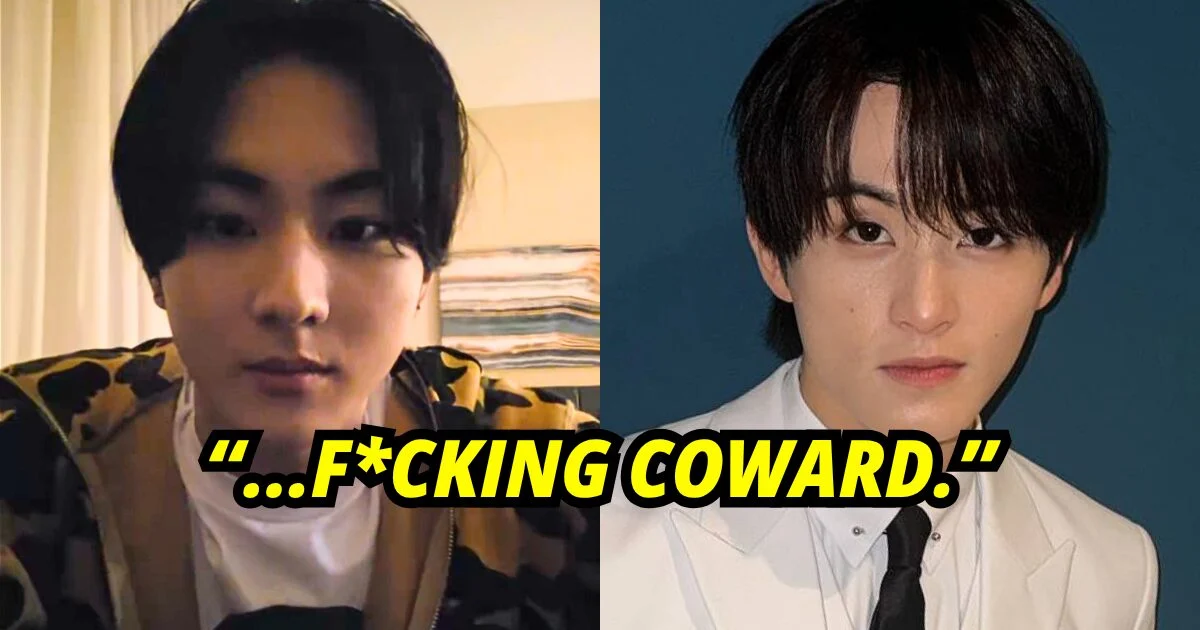
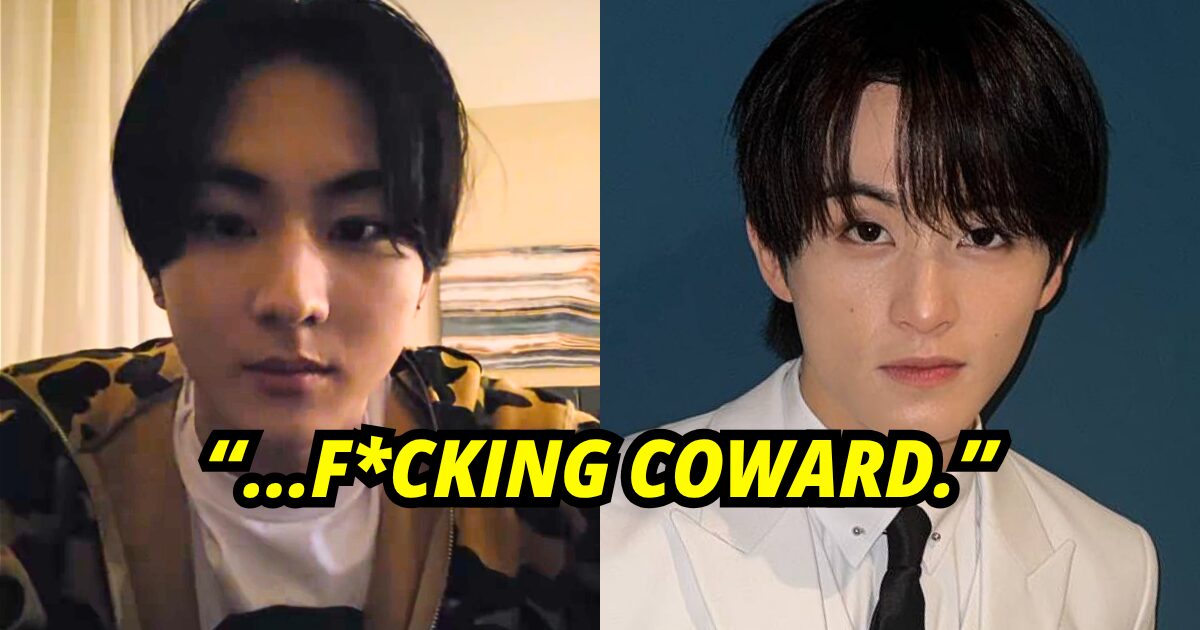
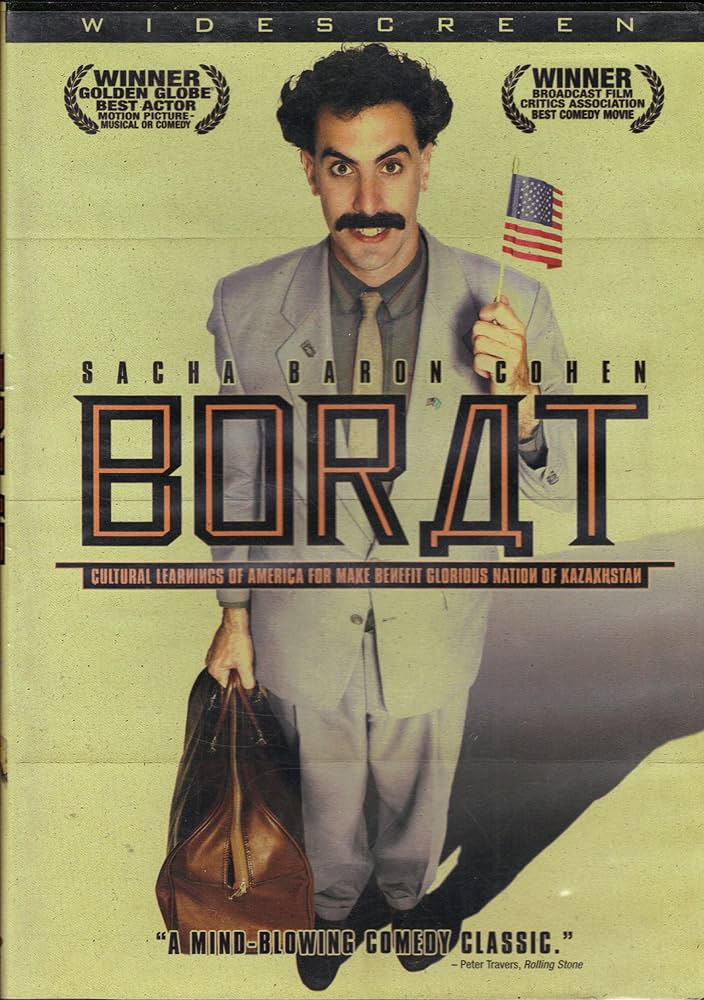
The recent actions of ENHYPEN’s leader, Jungwon, in swiftly addressing a cultural insensitivity controversy, have ignited a significant discussion within the global K-Pop community, prompting many to suggest his approach should become the new standard for idol accountability. On July 18, a TikTok video posted on ENHYPEN’s official account featured Jungwon participating in a dance challenge while wearing a t-shirt prominently displaying the character Borat. This seemingly innocuous fashion choice quickly drew criticism due to Borat’s controversial and widely condemned portrayal of Kazakhstan and its people, leading to a prompt apology from Jungwon that has been starkly contrasted with past responses from other K-Pop figures, most notably a previous incident involving NCT member Mark Lee and a Confederate flag.
The Genesis of the Controversy: Jungwon and the Borat Image
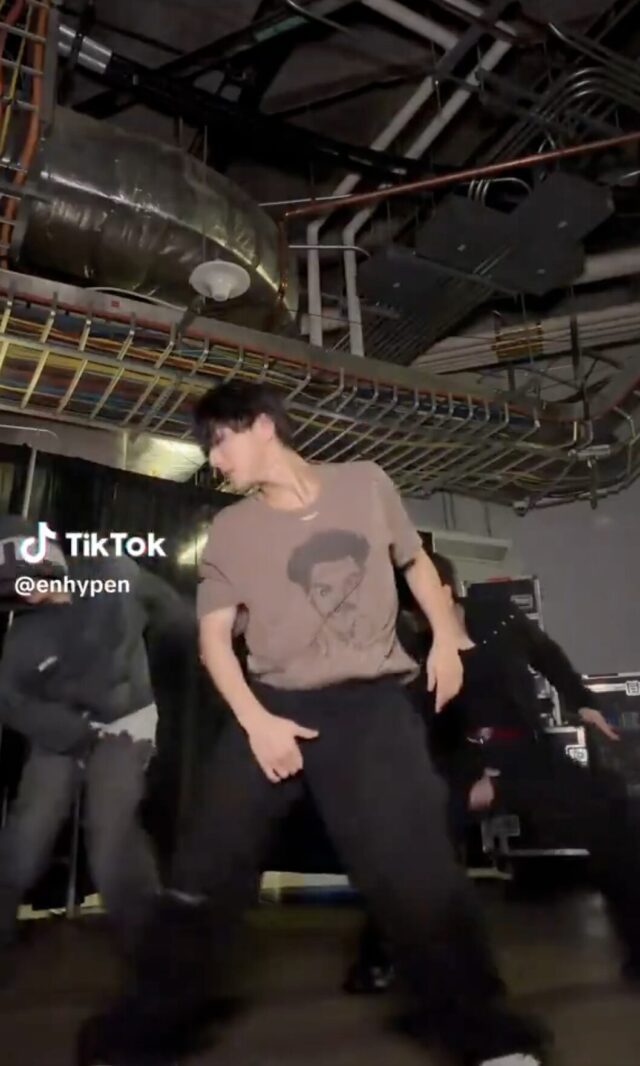
ENHYPEN, a prominent fourth-generation K-Pop group formed through the 2020 reality competition show I-LAND, has rapidly garnered a substantial international fanbase, known as Engenes. As the group’s leader, Jungwon (Yang Jung-won) holds a significant position, carrying the responsibility of representing the group both musically and publicly. The incident began when a TikTok video, intended to be a lighthearted dance challenge, was uploaded to the group’s official account on July 18. The video, which has since been deleted, showed Jungwon performing alongside two dancers. The focus of fan scrutiny, however, quickly shifted from the choreography to Jungwon’s attire: a t-shirt featuring an image of Sacha Baron Cohen’s character, Borat Sagdiyev.
Borat is the titular character from the 2006 mockumentary film, Borat! Cultural Learnings of America for Make Benefit Glorious Nation of Kazakhstan, and its 2020 sequel. While Sacha Baron Cohen stated his intention was to expose prejudice and hypocrisy through satire, the character and films have been widely criticized for their deeply problematic and inaccurate depiction of Kazakhstan and Kazakh culture. The character perpetuates harmful stereotypes, presenting Kazakhstan as a backward, misogynistic, and antisemitic nation, which bears no resemblance to the actual country. This portrayal has caused significant offense and distress to the Kazakh people globally, leading to official condemnations from the Kazakh government and widespread calls for the film’s removal from streaming platforms. Critics argue that regardless of satirical intent, the films primarily serve to mock an entire ethnic group, reinforcing xenophobic tropes rather than challenging them effectively.
Adding another layer of unfortunate irony to the situation, the choreography featured in the controversial TikTok video was reportedly created by a Kazakh dancer. This detail amplified the sense of cultural insensitivity, making the choice of attire particularly jarring for many viewers, especially those within the Kazakh diaspora and the broader K-Pop fanbase attuned to issues of cultural representation. Fans quickly took to social media platforms, particularly X (formerly Twitter), to express their disappointment and educate others on why the Borat image was offensive. Kazakh Engenes, in particular, voiced their hurt and called upon Jungwon and BELIFT LAB (ENHYPEN’s agency) to address the issue.
Jungwon’s Immediate and Direct Response
Within hours of the online outcry, Jungwon took a decisive step to address the concerns. He initiated a live broadcast to directly speak to fans about the incident. During this live session, he offered a clear and concise apology, stating that he had immediately disposed of the t-shirt upon learning about its problematic connotations. He emphasized that he was unaware of the offensive nature of the Borat character and its impact on the Kazakh community. A notable aspect of his apology was his explicit consideration for his Kazakh fans; he mentioned that he purposefully timed his live broadcast to coincide with waking hours in Kazakhstan, ensuring that those most directly affected by the cultural misstep would have the opportunity to hear his apology firsthand.

This proactive and direct approach was met with widespread praise from fans and observers. Many highlighted Jungwon’s sincerity, his willingness to take immediate accountability, and his thoughtful gesture of considering the time zone for affected fans. This response was perceived as a significant demonstration of empathy and responsibility, setting a high bar for how K-Pop idols should handle cultural insensitivity controversies. The swift action and personal address helped to de-escalate the situation rapidly, turning a potential PR crisis into an example of effective crisis management and genuine remorse.
The Shadow of a Past Controversy: Mark Lee and the Confederate Flag
The swiftness and perceived sincerity of Jungwon’s apology inevitably drew comparisons to a past incident involving Mark Lee, a prominent member of SM Entertainment’s globally popular boy group, NCT. Mark Lee, who is a Canadian-Korean idol, was previously seen wearing apparel featuring the Confederate flag. The Confederate flag is a deeply divisive and offensive symbol in the United States, representing the Confederate States of America, a coalition of southern states that seceded from the Union and fought to preserve slavery during the American Civil War (1861-1865).
Historically, the Confederate flag has become synonymous with slavery, racial oppression, and white supremacy. Its display is widely considered a symbol of hatred and bigotry, particularly offensive to African Americans and civil rights advocates. In modern contexts, it continues to be adopted by white supremacist groups and is associated with racial violence and discrimination. The flag’s presence on apparel worn by a public figure, especially one with a global platform like Mark Lee, sparked significant outrage and disappointment among his international fanbase, particularly those from the United States and communities affected by racial injustice.

When the images of Mark Lee wearing the Confederate flag circulated, the response from his agency, SM Entertainment, and from Mark himself, was widely criticized by a segment of the fanbase. The apology issued at the time was perceived by many as impersonal, generic, and lacking the directness and specificity that fans increasingly expect from idols. Critics described it as a "ChatGPT-written" statement, suggesting it was a corporate-issued apology that lacked genuine individual remorse or a deep understanding of the gravity of the symbol’s historical and contemporary implications. Some fans also noted a perceived lack of personal initiative from Mark Lee in addressing the issue directly or engaging with the affected communities in a meaningful way.
The Heart of the Debate: Accountability and Authenticity
The juxtaposition of Jungwon’s and Mark Lee’s responses became the focal point of a broader discussion on idol accountability and the evolving expectations of K-Pop fans. Online discourse highlighted several key differences:
- Directness vs. Impersonality: Jungwon’s live stream was seen as a direct, personal address, fostering a sense of authenticity. Mark Lee’s apology, conversely, was widely perceived as a formal, corporate statement, lacking a personal touch.
- Specificity vs. Generality: Jungwon specifically acknowledged the Kazakh community and timed his apology for their benefit, demonstrating an understanding of who was harmed. Critics of Mark Lee’s apology felt it was too generalized, failing to adequately address the specific historical trauma and racial implications associated with the Confederate flag.
- Proactivity vs. Reaction: Jungwon’s quick response and active measure (throwing away the shirt) demonstrated a proactive approach to rectifying the mistake. The perception around Mark Lee’s incident, for some, was that the apology felt more reactive and less personally driven.
- Company Influence: The contrasting responses also raised questions about the role of K-Pop agencies in managing such crises. While both idols operate under major labels, Jungwon’s actions suggested either greater personal agency or a different crisis management strategy by BELIFT LAB that prioritized immediate, personal engagement.
While many praised Jungwon for setting a new standard, some of Mark Lee’s fans came to his defense, arguing that his apology at the time was sufficient and that comparing the two situations unfairly placed undue pressure on him. They contended that judging the "offensiveness" of different cultural symbols is complex and that Mark Lee’s swift, albeit formal, apology should have been enough. However, the prevailing sentiment from the wider K-Pop community leaned towards Jungwon’s model as more desirable, emphasizing the importance of not just apologizing, but demonstrating a clear understanding of the offense and a commitment to learning.
Broader Implications: Cultural Sensitivity in a Global K-Pop Era
These incidents underscore a critical and continuously evolving challenge for the K-Pop industry: navigating cultural sensitivities in an increasingly globalized world. K-Pop groups boast vast, diverse international fanbases spanning every continent, which brings immense opportunities but also heightened scrutiny. What might be considered harmless or unknown in one cultural context can be deeply offensive in another.
The importance of cultural awareness for K-Pop idols and their agencies cannot be overstated. With content consumed globally within minutes of release, idols are under immense pressure to be acutely aware of diverse cultural nuances, historical contexts, and the potential implications of their actions, attire, and statements. This necessitates comprehensive cultural sensitivity training for artists, as well as rigorous vetting processes by agencies for all content, styling, and promotional materials.
Social media platforms have transformed the dynamics of fan-idol relationships. They provide direct channels for fans to voice concerns, disseminate information, and hold idols and agencies accountable. This immediate feedback loop demands quicker, more authentic, and more empathetic responses than ever before. Generic, corporate-speak apologies are often met with further skepticism and backlash, while genuine, personal acknowledgments tend to resonate more positively.
The debate sparked by Jungwon’s actions highlights what the global K-Pop audience increasingly expects from their idols when cultural insensitivity occurs:
- Promptness: Addressing the issue quickly, before it escalates.
- Directness and Personal Touch: Apologies delivered personally, conveying genuine remorse.
- Specificity: Acknowledging the specific group or community affected by the offense.
- Demonstrated Understanding: Showing that the idol comprehends why the action was offensive, not just that it was offensive.
- Actionable Steps: Indicating what has been done (e.g., removing the item) or what will be done to prevent recurrence (e.g., self-education).
These incidents serve as crucial learning opportunities for the entire K-Pop industry. They underscore the imperative for agencies like BELIFT LAB and SM Entertainment to invest more heavily in cultural education for their artists, to implement stricter content review protocols, and to develop crisis communication strategies that prioritize authenticity and direct engagement with affected communities. The actions of idols, whether intentional or not, have far-reaching impacts, shaping public perception and influencing the intricate relationship between artists and their incredibly diverse global fanbase. As K-Pop continues its global expansion, the ability to navigate these complex cultural landscapes with grace, humility, and genuine understanding will be paramount to its sustained success and the integrity of its artists.

Leave a Reply