K-Pop Idol Calls Out Agency For “Working Her Like A Horse” For 12 Years, No Rest
Article Editorial Team
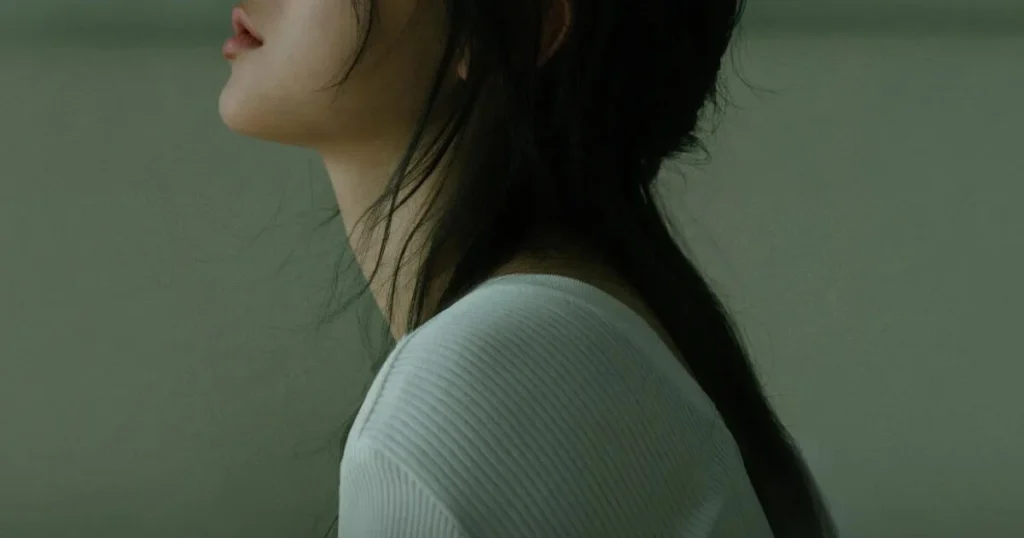
Former SISTAR member Soyou has candidly addressed the rigorous demands and relentless schedule she endured during her extensive 12-year tenure under her former management, Starship Entertainment. Her recent remarks have reignited critical discussions within the K-Pop industry concerning artist welfare, labor practices, and the intense pressures faced by idols behind the glossy facade of stardom. The revelations shed light on a system where continuous productivity often takes precedence over artists’ well-being, raising questions about the sustainability and ethical considerations of such demanding career paths.
A Decade of Uninterrupted Performance: Soyou’s Account
Soyou, whose real name is Kang Ji-hyun, shared her experiences during an appearance on a YouTube program hosted by entertainer DinDin. Her testimony painted a stark picture of her professional life, characterized by an almost ceaseless work schedule from her debut with SISTAR in 2010 through subsequent solo activities and contract renewals. According to Soyou, during her entire 12-year period with Starship Entertainment, she was never afforded a substantive break, despite her repeated appeals for time off. She specifically recalled requesting a three-month hiatus, intending to travel abroad and further her music studies in the United States, a request that was unequivocally denied by the agency.
The rationale provided for this denial, as recounted by Soyou, stemmed from a belief held by the then-CEO of Starship Entertainment. The CEO reportedly posited that if celebrities were given more than two weeks off, they would lose their motivation to return to work. Soyou, however, countered this notion, stating, "But I’m not like that. Even when I rest, I think a lot about work." This statement underscores a fundamental disconnect between the agency’s perceived need for constant engagement and the artist’s desire for personal and professional development through rest and study. Her account highlights a common industry challenge where individual artist needs can be overshadowed by corporate strategies focused on maintaining momentum and profitability.
The Rise of SISTAR and the K-Pop Machine
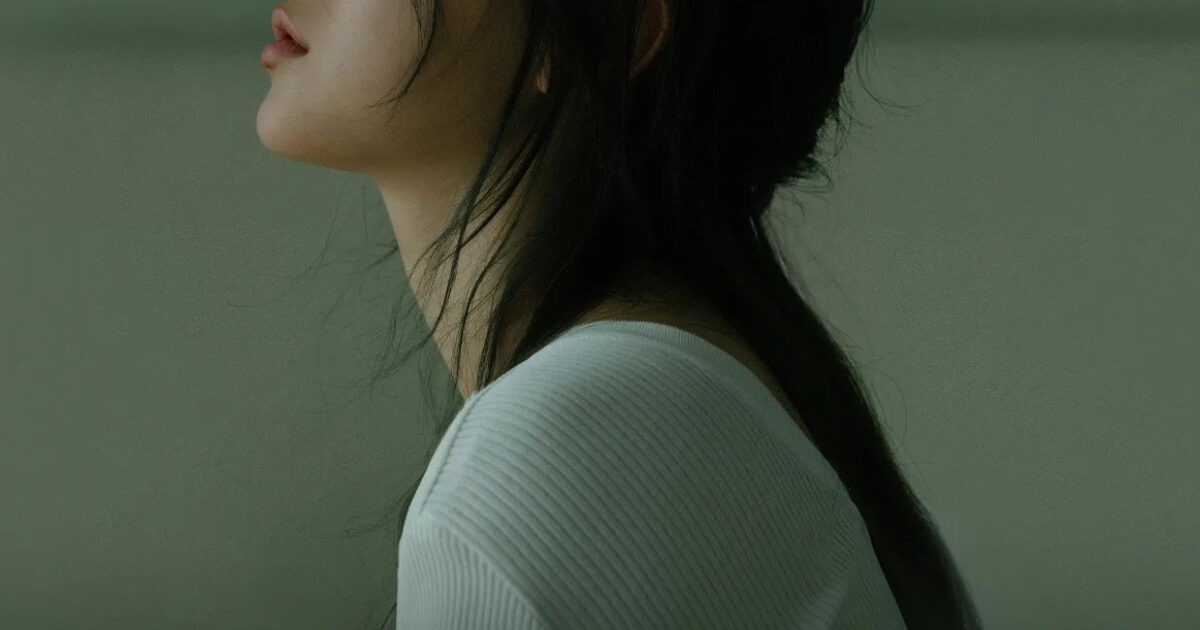
Soyou debuted as a member of the four-member girl group SISTAR under Starship Entertainment in June 2010. The group quickly rose to prominence with their unique "summer queen" concept, known for their powerful vocals, energetic performances, and catchy hit songs like "So Cool," "Alone," "Give It To Me," and "Touch My Body." SISTAR became one of the most successful and beloved girl groups of their generation, consistently topping charts and garnering a massive fanbase both domestically and internationally.
The K-Pop industry, particularly during SISTAR’s active years, was characterized by an extremely competitive landscape, requiring idols to maintain an almost superhuman level of productivity. This often involved grueling training regimens, relentless promotional cycles, back-to-back performances, and constant engagement across various media platforms. Idols’ schedules are meticulously managed by their agencies, often involving little personal autonomy, especially in their formative years. The expectation is that artists, having undergone years of intense training, will dedicate themselves fully to their careers, with little room for personal respite. This system, while incredibly effective in producing global stars, has frequently come under scrutiny for its potential toll on the physical and mental health of its artists.
SISTAR officially disbanded in May 2017 after seven successful years, with members pursuing individual careers. Soyou remained with Starship Entertainment as a solo artist, releasing her own music and participating in numerous collaborations and OSTs, further cementing her reputation as a powerful vocalist. Her continued work post-SISTAR, still under the same agency, meant the demanding schedule persisted, contributing to the cumulative 12 years she described without a proper break.
The Broader Context: K-Pop’s Demanding Landscape
Soyou’s experience is not an isolated incident but rather indicative of systemic issues within the K-Pop industry that have been widely discussed and criticized. The "idol system" often involves young trainees signing extensive contracts, sometimes for seven years or more, committing them to rigorous training and tight schedules. From debut, idols are expected to live highly structured lives, with agencies controlling not just their professional activities but often aspects of their personal lives, including diet, appearance, and relationships.
The sheer volume of work includes:

- Album Production: Recording, choreography practice, music video shoots.
- Promotional Cycles: Weekly music show performances, fan meetings, interviews, variety show appearances.
- Concerts and Tours: Domestic and international engagements.
- Endorsements: Commercial shoots, brand events.
- Social Media Engagement: Maintaining a constant online presence.
This relentless pace leaves little room for personal life, hobbies, or mental recuperation. Several studies and reports have highlighted the severe impact of this environment on idols’ mental health, leading to stress, anxiety, depression, and burnout. The entertainment industry in South Korea, while immensely successful, has faced increasing calls for greater protection of artist rights and welfare. The "slave contract" controversies of the past, while largely addressed by revised fair trade commission guidelines, still cast a long shadow, reminding stakeholders of the power imbalances that can exist between agencies and artists.
Agency Perspectives and Industry Norms
While Starship Entertainment has not yet issued a public statement regarding Soyou’s specific allegations, agencies generally maintain that strict schedules are necessary to compete in the fast-paced global entertainment market. The high investment in trainee development and debut promotions often necessitates a rapid return on investment, pushing artists into back-to-back projects. The competitive nature means that any period of inactivity can lead to a loss of public interest, making agencies hesitant to allow extended breaks.
However, a growing number of agencies are beginning to acknowledge the importance of artist well-being. There’s a nascent trend towards incorporating mental health support, more flexible scheduling, and encouraging personal development, albeit slowly. The industry is under increasing pressure from fans and public opinion to prioritize the long-term health and careers of their artists over short-term gains.
Soyou’s Current Approach to Work-Life Balance
Having departed from Starship Entertainment and now with a different company, BPM Entertainment, Soyou has taken proactive steps to ensure she maintains a healthier work-life balance. She revealed that she now makes a concerted effort to travel abroad for approximately one month each year. This annual respite serves as a crucial motivator and a means to recharge. "When things get tough while working, I stay motivated knowing I’ll get to travel soon. So when it’s time to work, I’m a racehorse," she explained.
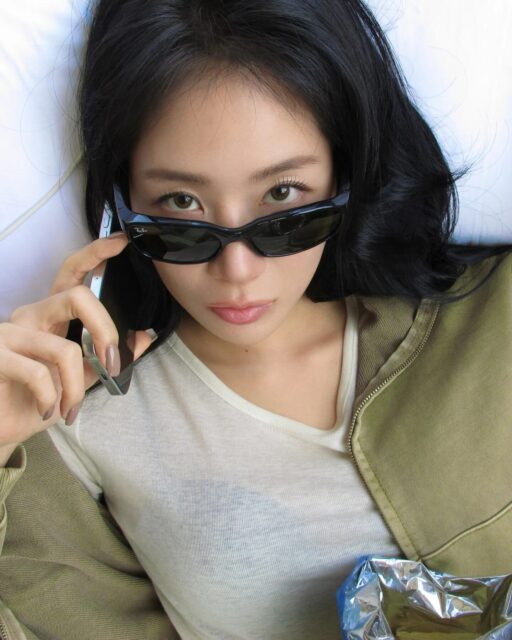
This new strategy reflects a conscious effort to integrate personal well-being into her professional life, a stark contrast to her previous experience. It suggests a hard-earned understanding of the importance of mental breaks and personal time for sustained productivity and creativity. Her ability to negotiate such terms with her current agency points to a shift in her career management and perhaps a broader evolving perspective within the industry regarding artist autonomy.
Implications for Artist Welfare and Future Contracts
Soyou’s forthright disclosure contributes significantly to the ongoing discourse about artist welfare in the K-Pop industry. Her status as a respected veteran idol lends considerable weight to her statements, potentially influencing how future contracts are structured and how artists negotiate their terms.
- Increased Scrutiny: Her comments will likely lead to increased public and media scrutiny of agency practices, particularly regarding artist schedules and mental health support.
- Empowerment of Artists: Such public statements from established idols can empower younger artists and trainees to advocate for their own well-being and negotiate for better conditions.
- Industry Reform: While systemic change is slow, consistent pressure from artists, fans, and regulatory bodies can gradually push agencies towards more humane and sustainable management practices. This includes exploring flexible contract terms, mandatory rest periods, and comprehensive mental health programs.
- Fan Advocacy: Fan communities, increasingly aware of the pressures idols face, often play a crucial role in advocating for better treatment of their favorite artists, using their collective voice to pressure agencies.
The conversation sparked by Soyou’s experience highlights the paradox of the K-Pop industry: while it offers unparalleled opportunities for global fame and success, it often demands an equally unparalleled level of personal sacrifice. As the industry continues its global expansion, ensuring the well-being of its most valuable assets—the artists themselves—will be paramount for its long-term sustainability and ethical standing. Soyou’s story serves as a powerful reminder that even the most successful idols are individuals with needs for rest, personal growth, and autonomy, beyond their public personas. Her ability to now carve out these essential breaks, after years of relentless work, underscores the critical importance of a healthy balance in a career that can otherwise be overwhelmingly demanding.
Related News