The Viral Incident and Social Media Reception
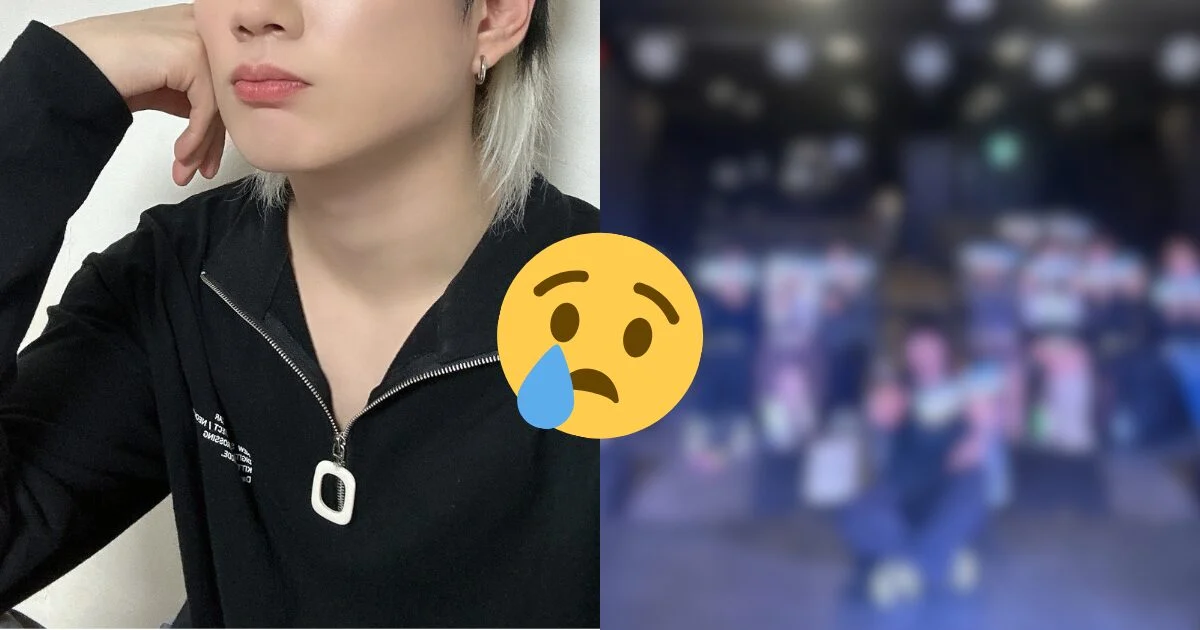
On September 25, 2026, a video captured at a live performance by Yun Junghwan—now promoting under the stage name Luven—gained significant traction on X (formerly Twitter) and Instagram. The clip, which has since amassed over five million views, depicts the artist performing with professional fervor despite the small number of attendees present at the venue. The initial reaction from the broader internet community was largely one of sympathy, with many users expressing sadness over the perceived lack of support for an artist who has been active in the industry for over seven years.
However, this narrative of "pity" was quickly countered by dedicated followers and music enthusiasts. Long-time supporters of the artist argued that framing his career through the lens of misfortune undermines his agency and the significant work he has accomplished as a self-produced musician. These fans emphasized that many artists in the indie and R&B sectors often perform in intimate settings as they build a niche following, and that low attendance at a specific event does not equate to a lack of talent or professional failure.
Chronology of Yun Junghwan’s Career: From Survival Shows to Solo Rebranding
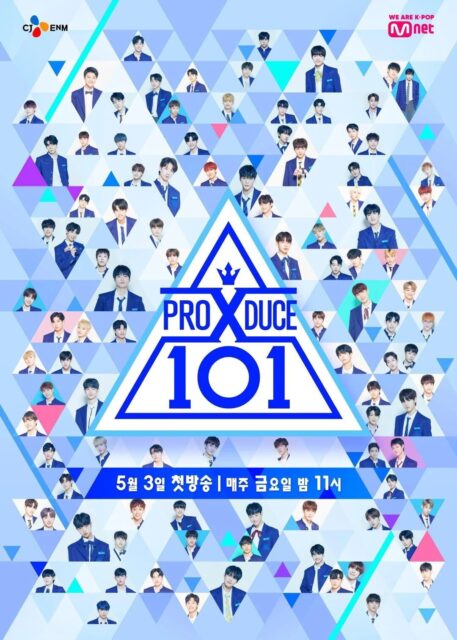
To understand the context of Yun Junghwan’s current career standing, it is necessary to examine his trajectory within the Korean music industry. His public journey began in 2019 when he appeared as a trainee representing Brand New Music on Mnet’s reality competition series, Produce X 101. Known for his stable vocals and composure, Junghwan became a notable contestant, particularly remembered for his vocal arrangement skills during group evaluations. He successfully navigated the competition until Episode 8, where he was eliminated just shy of the final rounds.
Following the conclusion of the show, Brand New Music moved quickly to debut their trainees. In late 2019, Junghwan debuted as the main vocalist of the trio BDC (Boys Da Capo). The group was positioned as a vocal-centric unit, releasing several mini-albums including The Intersection: Belief and The Intersection: Discovery. Despite receiving critical acclaim for their discography and vocal prowess, BDC struggled to break into the top tier of domestic digital charts, a common challenge for groups from mid-sized agencies in an era dominated by "Big 4" (HYBE, SM, YG, JYP) marketing budgets.

In August 2023, Brand New Music announced that the contracts for the members of BDC had expired and would not be renewed. This led to the group’s official disbandment, leaving the members to pursue individual paths. While many idols choose to exit the industry after such a transition, Junghwan chose to rebrand. In 2024, he adopted the moniker "Luven" and transitioned into a solo career focused on R&B and indie-pop. This year, he released his first full-length studio album, Made By, a project that showcases his growth as a producer and songwriter.
The Post-Survival Show Landscape: Statistical Realities
The viral nature of Junghwan’s performance video brings to light the statistical difficulty of maintaining a career after appearing on a major survival show. Since the inception of the Produce franchise, hundreds of trainees have used these platforms as a springboard. However, data suggests that the "Produce effect"—a temporary surge in popularity—rarely translates into long-term commercial dominance for those who do not make the final debut lineup.
For contestants who return to their respective agencies, the challenge is twofold: they must capitalize on their individual recognition while integrating into a new group dynamic. In the case of BDC, the group maintained a loyal fanbase but faced the saturation of the "fourth generation" K-pop market. Industry analysts note that between 50 and 100 new K-pop groups debut annually, yet only a small fraction (estimated at less than 5%) achieve sustainable profitability. For soloists like Luven, the transition involves moving away from the "idol" machinery and toward a more grassroots approach to music promotion, which often involves smaller venues and direct fan engagement.
Artistic Contributions Beyond the Stage
One of the primary arguments made by supporters in response to the viral video is that Yun Junghwan’s value to the industry extends far beyond his physical presence on stage. Throughout his career, he has established himself as a capable composer and arranger. Credits attributed to him include work for prominent K-pop acts such as TREASURE and ONEUS.
By diversifying his professional portfolio to include behind-the-scenes production, Junghwan has secured a level of career longevity that many idols lack. His recent album, Made By, was largely self-produced, reflecting a shift toward artistic independence. This transition is reflective of a broader trend in the industry where former idols seek "creative freedom" by moving into the indie or K-R&B space, prioritizing musical integrity over mainstream chart success.

Public and Professional Implications of Viral "Pity" Clips
The phenomenon of "pity-posting" regarding K-pop idols is a recurring trend on social media. While these posts often intend to raise awareness, they can inadvertently create a negative stigma around an artist’s brand. For an artist like Luven, who is actively attempting to establish a sophisticated solo identity, being labeled as "pitiful" can be counterproductive to professional networking and brand partnerships.
Professional marketing experts suggest that for independent artists, "engagement" is a double-edged sword. While the viral video garnered five million views—far more than a standard promotional post would—the context of the engagement matters. Fans have been quick to pivot the conversation, using the viral moment to share links to his Spotify profile and YouTube channel, attempting to convert "pity views" into "streaming numbers."
From a journalistic perspective, the incident serves as a case study in the "Middle Class" of K-pop. There is a vast demographic of talented, hard-working professionals who do not headline stadiums but contribute significantly to the cultural output of the industry. The narrative that an artist is only successful if they are performing for thousands is a misconception that ignores the viability of the indie circuit and the professional satisfaction of creative autonomy.
Broader Impact on the K-Pop Industry Model
The story of Yun Junghwan/Luven highlights the evolving nature of the K-pop career cycle. In previous decades, the disbandment of a group often marked the end of an idol’s public life. Today, the rise of digital distribution platforms and social media allows artists to maintain direct-to-consumer relationships.
Furthermore, the incident underscores the importance of "fan-led promotion." In the absence of a large agency’s PR department, the responsibility of defending an artist’s reputation and promoting their work falls on the fandom. The swift reaction of Junghwan’s fans to provide context about his songwriting credits and his new album demonstrates a sophisticated level of fan activism designed to protect the artist’s professional dignity.
As the K-pop industry continues to globalize, the definition of success is likely to become more fragmented. For some, success is a Billboard #1; for others, it is the ability to release a self-produced full-length album and perform live for a dedicated, albeit small, audience. Yun Junghwan’s continued activity in the industry, despite the hurdles of group disbandment and the challenges of the solo market, is a testament to the resilience required in the modern entertainment landscape.
In conclusion, while the viral video of Yun Junghwan may have initially been framed as a somber moment, it has ultimately served to highlight his tenacity and the high quality of his musical output. By moving past the initial shock of the imagery, the public has been introduced to an artist who has successfully transitioned from a survival show contestant to a self-sufficient solo musician. The discourse surrounding this event serves as a reminder that the K-pop industry is not a monolith, and the "quiet" work of talented artists remains a vital component of the musical ecosystem.