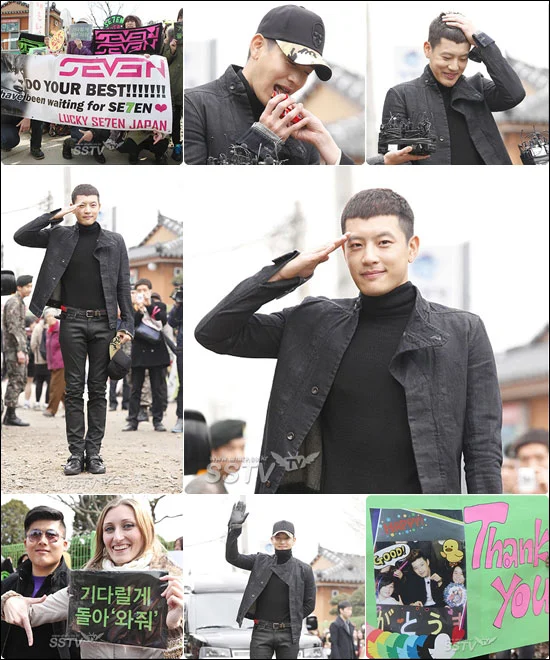
The integrity of South Korea’s mandatory military service system has come under intense scrutiny following a series of high-profile disciplinary breaches by celebrity recruits, prompting a national conversation regarding the perceived "special treatment" afforded to public relations personnel. In June 2013, an investigative report by the SBS program On Site 21 exposed a pattern of misconduct among members of the Defense Media Agency, specifically highlighting the actions of singers Se7en (Choi Dong-wook) and Sangchu (Lee Sang-chul) of the hip-hop duo Mighty Mouth. The fallout from the exposé has not only damaged the reputations of the individuals involved but has also forced the Ministry of National Defense to re-evaluate the necessity and ethics of maintaining a separate unit for celebrities.
The Foundations of South Korean Conscription
To understand the gravity of the recent scandal, one must consider the historical and geopolitical context of the Korean Peninsula. Since the signing of the 1953 Armistice Agreement, which halted the active hostilities of the Korean War without a formal peace treaty, North and South Korea have remained technically at war. Consequently, South Korea maintains a robust defense posture, centered on the requirement that all able-bodied men between the ages of 18 and 35 serve approximately 21 to 24 months in the military.
Military service is viewed as a fundamental duty of citizenship and a rite of passage. For the general population, it is a period of significant sacrifice, characterized by rigorous physical training, restricted communication with the outside world, and prolonged separation from family and career. The social contract of conscription rests on the principle of equality; any perception that the wealthy or the famous are exempt from these hardships is met with severe public backlash. While exemptions exist for Olympic medalists and certain world-class artists who "enhance national prestige," these are strictly regulated and rare. For the vast majority, including K-pop idols and actors, service is an unavoidable reality.
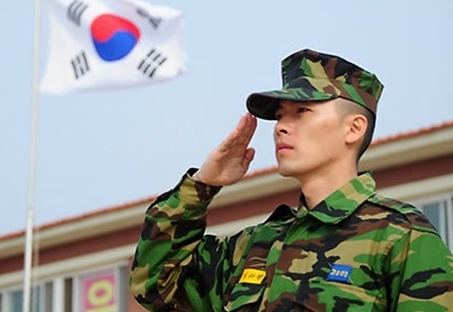
The SBS Exposé: A Night of Misconduct
The current controversy erupted following an investigation into the conduct of "promotional recruits," a specialized unit within the Defense Media Agency designed to boost troop morale and manage the military’s public image. On June 25, 2013, On Site 21 aired footage of several celebrity soldiers engaged in activities that directly violated military protocol.
According to the report, after performing at a military-sponsored event in Chuncheon to commemorate the 63rd anniversary of the Korean War, a group of celebrity soldiers checked into a local motel. Rather than adhering to the mandatory curfew, several recruits were filmed leaving the premises in civilian clothing—a violation of uniform regulations. The footage showed the soldiers using personal cell phones, which were strictly prohibited for active-duty personnel at the time, and consuming alcohol at a local restaurant.
The most damaging portion of the report followed Se7en and Sangchu as they visited a massage parlor known for providing adult services at 4:00 AM. When confronted by SBS reporters upon exiting the establishment, the two soldiers reportedly attempted to physically seize the camera and destroy the footage, leading to a brief scuffle. The defensive and aggressive nature of their reaction exacerbated the public’s perception of guilt and entitlement.
Official Responses and the "Knee Therapy" Defense
In the immediate aftermath of the broadcast, the Ministry of National Defense (MND) launched a formal investigation into the conduct of the PR unit. Initial statements from military officials attempted to mitigate the damage, suggesting that the soldiers visited the massage parlor for "therapeutic purposes" related to knee injuries. This explanation, however, was met with widespread derision from the public and the media, who noted that legitimate medical treatment would not be sought at a massage parlor in the predawn hours while off-base without authorization.

Sangchu later attempted to take full responsibility for the incident, stating that as the senior soldier, he should have exercised better judgment. However, the investigation revealed that the issues were systemic. The SBS report highlighted that celebrity recruits were often granted excessive leave and furloughs—sometimes double or triple the amount afforded to regular frontline soldiers. Data suggested that while a typical soldier might receive 45 to 50 days of leave during their entire 21-month tenure, some celebrity recruits were recording upwards of 150 days.
A History of Controversy: From Rain to Psy
The Se7en and Sangchu incident is not an isolated case but rather the culmination of years of mounting tension regarding the "Celebrity Soldier" system. In early 2013, the world-renowned star Rain (Jung Ji-hoon) faced disciplinary action after it was revealed he had met with his girlfriend, actress Kim Tae-hee, while on official duty. Although his punishment was relatively light—one week of confinement—the incident sparked a national petition calling for the abolition of the PR unit.
Even further back, the singer Psy was famously ordered to re-enlist in 2007 after it was determined that he had neglected his duties during his initial term of service as a technical personnel. These recurring scandals have fostered a narrative that celebrities view their military service not as a duty, but as a minor inconvenience to be bypassed through connections and special status.
The Burden of Performance vs. The Hardship of the Frontline
A common defense used by management agencies and the Defense Media Agency is that celebrity soldiers work "extremely hard" by performing in dozens of events per month to maintain troop morale. An anonymous recruit cited in the investigation argued that the physical toll of constant travel and performance was comparable to the hardships of standard military duty.

However, this argument fails to resonate with the South Korean public. Critics point out that performing on stage, staying in motels, and having access to civilian amenities like private gyms, internet, and televisions is fundamentally different from the experience of a conscript patrolling the DMZ in sub-zero temperatures. The "morale-boosting" argument has also been turned on its head; many argue that seeing celebrities enjoy a "soft" version of the military actually lowers the morale of the hundreds of thousands of men serving in standard units.
The Debate Over National Prestige and Hallyu
Before his enlistment, Se7en himself had publicly commented on the unfairness of the exemption system, suggesting that Hallyu stars contribute as much to the nation’s global standing as Olympic athletes. This sentiment touches on a sensitive debate within South Korean policy: should the "soft power" generated by K-pop and K-drama be legally recognized as a form of national service?
While the economic impact of the Hallyu wave is undeniable, the government has remained hesitant to grant exemptions to entertainers. The primary reason is the perceived "market-driven" nature of their success. Unlike an Olympic athlete who represents the national flag in a strictly regulated international competition, a K-pop star is seen as a commercial entity working for private profit. Furthermore, given the saturation of the entertainment market, the temporary absence of one star is unlikely to diminish the country’s cultural influence, as new talents are constantly emerging to fill the void.
Implications and the Abolition of the PR Unit
The public outcry following the Se7en and Sangchu scandal reached a breaking point that the Ministry of National Defense could no longer ignore. In July 2013, following the completion of its special audit, the Ministry made the landmark decision to officially abolish the promotional recruit system.

The investigation concluded that the unit was managed poorly and that the lack of oversight had led to a breakdown in military discipline. As a result:
- The Defense Media Agency’s promotional unit was disbanded.
- The remaining celebrity recruits were reassigned to regular field units, often in combat roles, to serve out the remainder of their terms.
- Se7en and Sangchu were sentenced to several weeks in military prison for their violations of military law.
This move was seen as a necessary step to restore faith in the fairness of the conscription system. It signaled to the public that the government prioritized the principle of equality over the convenience of having famous faces for military public relations.
Conclusion: A New Standard for Celebrity Service
The legacy of the 2013 scandal has fundamentally altered how celebrities approach their military service in South Korea. In the years since the abolition of the PR unit, many stars have opted to join more rigorous branches of the military, such as the Marine Corps or the Special Forces, in an effort to prove their sincerity and avoid the "special treatment" stigma.
The downfall of Se7en and Sangchu serves as a cautionary tale for the South Korean entertainment industry. It demonstrates that in a society where military service is a sacred duty, the privilege of fame does not grant immunity from the rules. For the Ministry of National Defense, the episode was a harsh lesson in the importance of maintaining a uniform standard of discipline, ensuring that the "equal playing field" of the military remains a reality for every citizen, regardless of their status in civilian life. The abolition of the celebrity soldier system remains one of the most significant policy shifts in the history of the South Korean conscription, reinforcing the idea that national defense is a burden that must be shared equally by all.