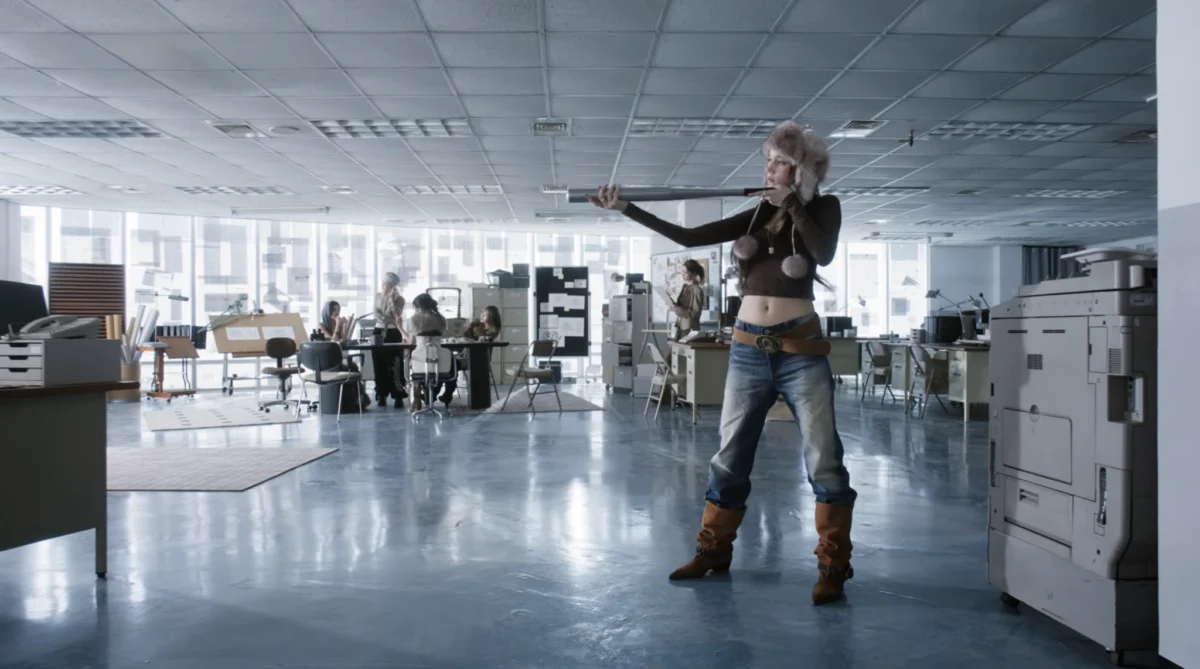
The music video for Kep1er’s latest single, "Killa (Face the Other Me)," showcases the group’s undeniable prowess in performance, a strength that defines their artistry. However, while the sharp choreography, dynamic formations, and impactful dance break are undoubtedly highlights, the MV’s ambitious narrative of self-confrontation ultimately feels underdeveloped, leaving the visual experience more akin to a high-quality performance video than a fully realized cinematic narrative. The song’s title itself, "Killa (Face the Other Me)," suggests a deep dive into duality and introspection, themes that are only fleetingly explored, preventing the MV from reaching its full storytelling potential.
A Thematic Promise Unfulfilled
The core concept of "Face the Other Me" centers on the idea of confronting one’s hidden self, a narrative intricately linked to the song’s lyrics. As stated in the official press release accompanying the single’s launch, "The lyrics talk about the existence of another self hidden in everyone’s heart, and about the moment of facing the hidden nature as one awakens internally, breaks the limits that had oppressed them, and awakens as a true killer. Kep1er plans to shed the long-oppressed self, break limits, and take precise aim at the anxious inner self through ‘Killa’." This thematic ambition is visually hinted at through various symbolic elements, yet the execution leaves viewers wanting more.

The most direct visual representation of this concept is the strategic use of mirrors. Dayeon’s opening and closing sequences, where she confronts her reflection, along with scenes featuring Yujin, Xiaoting, and Chaehyun in a mirror-laden room, serve as clear allusions to self-reflection and the pursuit of one’s true identity. These moments, while impactful, are interspersed with other symbolic imagery that, while present, often feels too transient to fully resonate.
Shadows are employed to create visual contrast and add a sense of depth to certain scenes. These fleeting glimpses of chiaroscuro hint at the darker, perhaps repressed, aspects of the self that the song aims to explore. Furthermore, in a behind-the-scenes reaction video shared by the group, Kep1er members themselves revealed that the recurring motif of a cube within the MV represents anxiety and uncomfortable emotions or aspects of one’s psyche. The gradual fragmentation of this cube, coupled with Dayeon’s final gesture of placing her hand on a cracked mirror, only for the crack to disappear, offers a subtle visual resolution to this internal conflict. This sequence, though present, functions more as a symbolic nod than a fully developed narrative arc, leaving the exploration of confronting the "other me" feeling somewhat truncated.
Performance Takes Center Stage
Despite the narrative’s limitations, "Killa" undeniably shines as a testament to Kep1er’s exceptional performance capabilities. The MV excels in showcasing their synchronized movements, captivating stage presence, and the sheer power of their choreography. Moments like the brief dance duet between Yujin and Xiaoting, Hikaru’s commanding presence during the chorus, and the extended, high-energy dance break are the true anchors of the music video. These segments highlight the group’s synchronized artistry and individual charisma, creating visually arresting sequences that hold the viewer’s attention. The transitions within the MV are also noteworthy, seamlessly guiding the audience through various performance-centric settings.

This emphasis on performance is not unexpected, given Kep1er’s consistent track record. Since their debut on January 3, 2022, following their formation through the Mnet survival show Girls Planet 999, the group has consistently garnered praise for their energetic and precise stage executions. Their discography, including singles like "Wa Da Da" and "Up!", has often prioritized impactful choreography and a strong visual presentation, setting a precedent that "Killa" largely upholds.
Navigating the K-Pop Landscape
"Killa" enters a highly competitive K-pop market, and its sonic and visual style has been noted by some observers as aligning with contemporary trends, drawing comparisons to groups like aespa. This "aespa-coded" aesthetic, characterized by futuristic themes and a strong, assertive sound, is a recognizable element within the current K-pop landscape. However, in a saturated market, simply adhering to popular trends does not guarantee differentiation. The MV for "Killa," with its underdeveloped narrative, struggles to carve out a distinct identity that would make it truly memorable amidst a sea of visually striking music videos.
The song itself, while not sonically unappealing, faces the challenge of standing out. The intense, assertive nature of the track, combined with its thematic aspirations, could have been amplified by a more robust visual narrative. The inability to fully flesh out these ambitious concepts results in a music video that, while polished in its performance aspects, lacks the profound depth that its bold and intense concept initially promises. This presents a recurring challenge for groups aiming to balance thematic depth with mainstream appeal.

Broader Implications and Future Trajectories
The release of "Killa (Face the Other Me)" offers a valuable case study in music video production within the K-pop industry. It underscores the critical balance required between showcasing an artist’s inherent strengths—in Kep1er’s case, exceptional performance skills—and developing a compelling narrative that enriches the overall artistic message. The potential for "Killa" to resonate more deeply with audiences hinged on a more thorough exploration of its "other me" concept.
Looking forward, Kep1er’s continued success will likely depend on their ability to integrate their powerful performance abilities with more fully realized conceptual narratives. While "Killa" may be seen as a surface-level experience in terms of its storytelling, the group’s strong foundation in performance provides a solid platform for future projects. The feedback and analysis surrounding this release may inform their creative direction, potentially leading to more conceptually rich and narratively impactful music videos in the future. The group’s journey, which began with the ambitious goal of captivating global audiences through Girls Planet 999, continues to evolve, with each release offering insights into their artistic growth and the ever-changing dynamics of the K-pop industry.