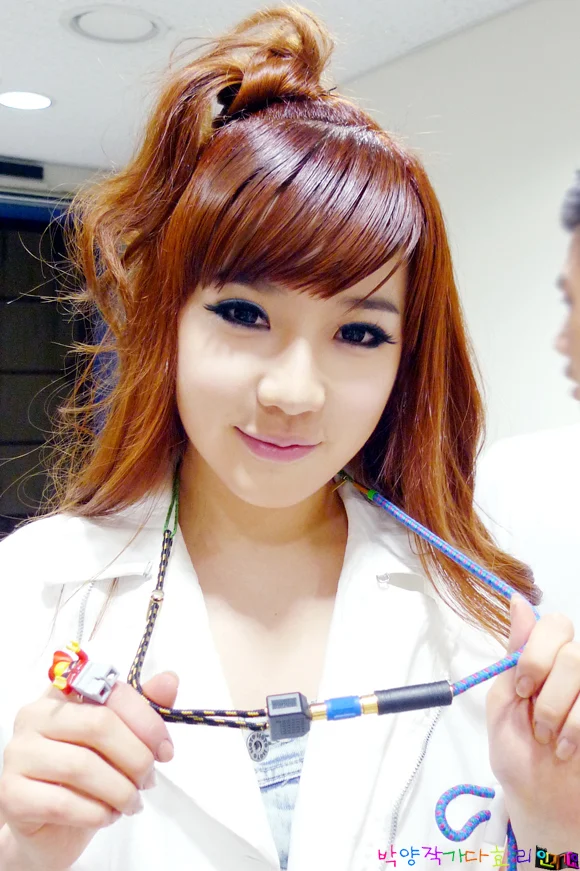
The intersection of aesthetic enhancement and the South Korean entertainment industry has evolved into a central pillar of the nation’s modern cultural identity. Within the dense landscape of K-pop and television, the topic of plastic surgery is no longer a peripheral whisper but a subject of intense public discourse, fueled by digital speculation and a pervasive media environment. Searching for any prominent South Korean celebrity on major portals like Naver, Daum, or Google almost invariably yields auto-suggestions related to surgical procedures, "before and after" comparisons, and minute anatomical analyses of facial transitions. This phenomenon reflects a broader societal trend where the "Beauty Belt" of Seoul’s Apgujeong district has become as synonymous with the city’s global image as its technological exports.
The normalization of cosmetic procedures in South Korea is intrinsically linked to the visual demands of the entertainment sector. While the industry was once characterized by a culture of denial, recent years have seen a shift toward a more complex dialogue involving both public figures and cultural critics. This dialogue often pits the narrative of personal empowerment and self-improvement against the pressures of a homogenized beauty standard that some critics argue is stripping away individual identity in favor of a manufactured ideal.
The Televised Debate: Personal Satisfaction vs. Traditional Values
A significant moment in the public discourse occurred when solo artist G.NA engaged in a televised debate with comedian Lee Yoon-suk regarding the ethics and motivations behind plastic surgery. The exchange, which took place during a variety program, highlighted the generational and philosophical rift surrounding aesthetic enhancement. Lee Yoon-suk voiced a conservative disapproval, specifically referencing his opposition to his wife undergoing surgery. He characterized such procedures as a potential "violation of the marriage oath," arguing that if a partner finds their spouse’s face "perfect" as it is, there should be no external requirement for alteration.
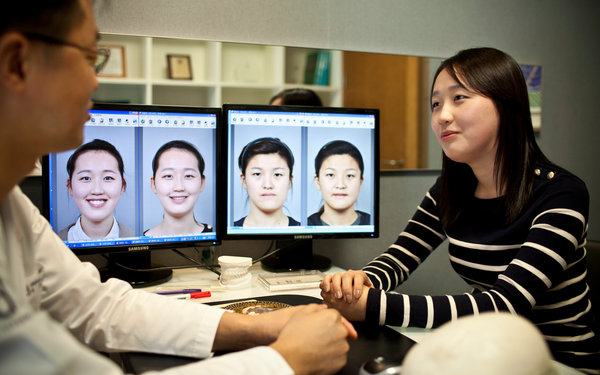
In response, G.NA offered a defense rooted in the concept of "personal satisfaction and happiness." She argued that the decision to undergo surgery is often less about external validation and more about internal self-esteem. To illustrate her point, she shared an anecdote regarding her grandfather, whose quality of life and happiness reportedly improved significantly following a hair transplant. G.NA’s argument posits that if a medical procedure can eliminate a debilitating insecurity and provide a critical boost to one’s self-worth, it should be viewed as a valid form of self-care.
This debate underscores a pivotal tension in South Korean society. On one hand, there is the traditionalist view—often voiced by the older generation or those concerned with "naturalism"—that sees surgery as an unnecessary vanity or a betrayal of one’s innate self. On the other hand, the contemporary view, championed by many in the entertainment industry, frames surgery as a tool for professional and personal optimization.
The Miss Daegu Controversy and the "Clone" Phenomenon
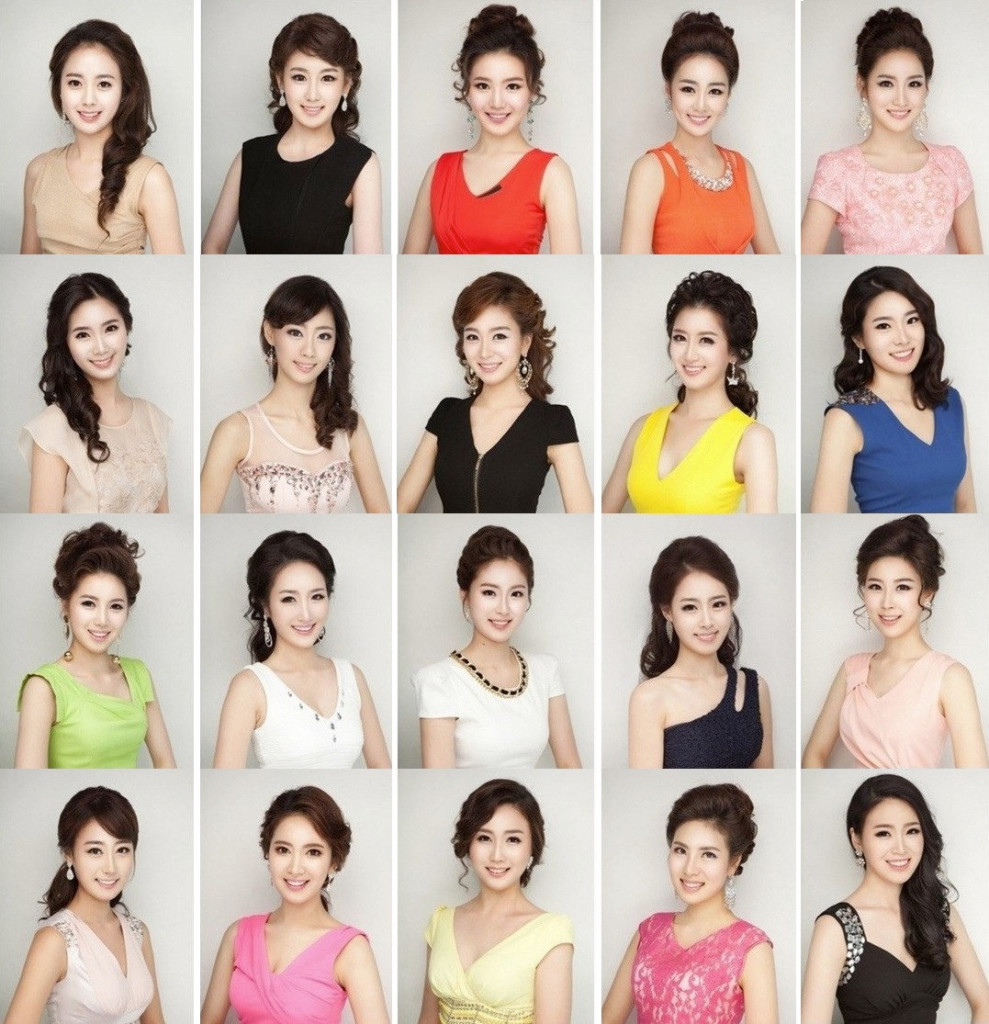
The tension between personal choice and societal homogenization reached a boiling point with the 2013 Miss Daegu beauty pageant. Images of the twenty candidates for the title sparked an international viral sensation, not for their diversity, but for their striking resemblance to one another. Observers noted that the contestants possessed nearly identical features: large eyes with pronounced double eyelids, high nose bridges, pale skin, and soft, heart-shaped jawlines.
This "clone" phenomenon served as a visual manifestation of the "Gangnam style" of beauty—a specific aesthetic template that has become the gold standard in South Korean clinics. While each woman was an individual competitor, the surgical and cosmetic techniques used to achieve the prevailing beauty standard resulted in a loss of distinct facial characteristics. Critics pointed to the pageant as evidence that the "personal decision" to undergo surgery is often steered by a rigid societal blueprint.

The Miss Daegu incident highlighted a paradox: in the pursuit of becoming the "most beautiful," individuals often end up looking like a refined version of a collective ideal rather than a better version of themselves. This raises questions about the role of the medical profession in shaping national identity and whether surgeons are acting as artists or as manufacturers of a standardized product.
Statistical Context: South Korea as a Global Hub for Aesthetic Surgery
The prevalence of plastic surgery in South Korea is supported by significant data. According to the International Society of Aesthetic Plastic Surgery (ISAPS), South Korea has consistently ranked as the country with the highest rate of plastic surgery procedures per capita in the world. In the Gangnam district alone, there are estimated to be over 400 specialized clinics, creating a competitive market that drives both innovation and aggressive advertising.
The ubiquity of these services is reflected in the urban landscape. Advertisements featuring dramatic "before and after" transformations are common in subway stations and on public buses. This environmental saturation normalizes the idea of surgical intervention as a routine part of life, comparable to orthodontics or professional skin care. Furthermore, the economic impact is substantial; "medical tourism" has become a major revenue stream for the South Korean government, with thousands of international patients traveling to Seoul annually to seek the expertise of Korean surgeons, further cementing the nation’s reputation as a global leader in the field.
Media Representation and the Absence of Diversity
A critical factor in the proliferation of surgical enhancement is the role of the South Korean media. Unlike Western media markets, where voices like Tina Fey or Lena Dunham have gained popularity by critiquing and satirizing unrealistic beauty standards, the South Korean media landscape remains largely monolithic in its celebration of the "idol" aesthetic.

In the South Korean context, celebrities who do not fit the narrow definition of beauty are frequently relegated to comedic roles where their appearance is the primary source of humor. Figures like Kim Shin-young and Jung Ju-ri are often the subjects of jokes regarding their "unattractive" features, a trope that reinforces the idea that only those with "enhanced" or "ideal" faces are worthy of serious consideration as romantic leads or glamorous icons.
The case of SISTAR’s Hyorin also illustrates the pressure for transparency versus the pressure for perfection. After initially denying surgical intervention, Hyorin eventually admitted to undergoing double eyelid surgery (epicanthoplasty). Such admissions are rare and often met with mixed public reactions, oscillating between praise for honesty and criticism for "deceiving" the public. This creates a high-stakes environment where celebrities feel compelled to achieve perfection through surgery while simultaneously maintaining the illusion of natural beauty.
Societal Implications: The "Spec" Culture and Professional Success
The drive for plastic surgery in South Korea is not limited to the entertainment industry; it is deeply embedded in the nation’s competitive job market. The concept of "spec"—a term referring to the qualifications and specifications on a resume—has expanded to include physical appearance. Many job seekers believe that a "pleasing" or "refined" face is a necessary prerequisite for employment, leading many parents to gift their children double eyelid surgery as a high school graduation present.
This societal pressure transforms plastic surgery from a matter of personal vanity into a pragmatic career move. When beauty is viewed as a form of "human capital," the decision to undergo surgery becomes a rational response to a system that rewards a specific look. However, this also creates a "vicious cycle" where the baseline for what is considered an acceptable appearance is constantly shifting upward, requiring more frequent and more invasive procedures to remain competitive.
Chronology of Cultural Shifts in Plastic Surgery Discourse
- The Era of Denial (Pre-2000s): Plastic surgery was a taboo subject; celebrities rarely admitted to procedures, and "natural beauty" was the ultimate social currency.
- The Rise of the Hallyu Wave (2000s–2010): As K-pop and K-dramas gained global traction, the visual standards became more rigorous. The "Apgujeong look" began to emerge as a recognizable aesthetic.
- The Transparency Phase (2010–2015): A small number of idols and actors began admitting to minor procedures (like double eyelid surgery) on variety shows, though major reconstructions remained secret.
- The Viral Critique (2013–Present): Events like the Miss Daegu controversy and the global success of "Gangnam Style" brought international scrutiny to Korea’s beauty standards, prompting a more nuanced internal debate about identity and homogenization.
- Modern Divergence (2020–Present): While the industry remains dominated by traditional standards, "no-makeup" movements and a slight increase in the visibility of diverse body types suggest the beginning of a slow shift in public perception.
Analysis of Long-term Cultural Impacts
The long-term implications of South Korea’s plastic surgery culture are twofold. On a positive note, the destigmatization of these procedures has allowed many individuals to address genuine insecurities and has fostered a world-class medical industry that excels in reconstructive and aesthetic techniques. The focus on "personal satisfaction," as argued by G.NA, empowers individuals to take agency over their physical forms.
However, the negative implications involve the systemic erasure of ethnic and individual diversity. When a society’s "ideal" face is one that must be surgically constructed, it implies that the natural face is inherently "deficient." This mindset places immense psychological pressure on the youth and creates a cultural environment where the value of a person is increasingly tied to their adherence to a manufactured standard.
The "fix" for this societal obsession is unlikely to come from the medical industry or the government, as both benefit from the status quo. Instead, it requires a shift in media representation. Until the South Korean entertainment industry makes room for a broader range of faces and bodies—and treats them with the same dignity and glamour as the "enhanced" ideal—the cycle of surgical conformity is likely to continue. The emergence of alternative voices and the celebration of "natural" features are essential steps toward a more inclusive and healthy definition of beauty.