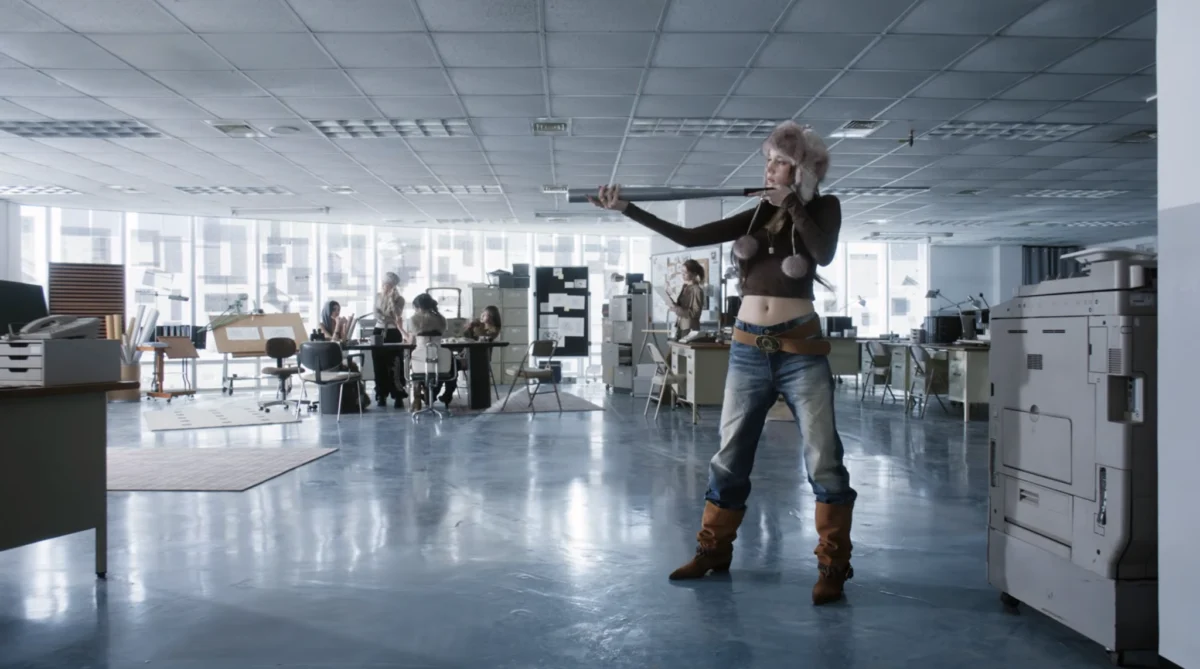
Kep1er’s latest music video for "Killa (Face the Other Me)" showcases the group’s undeniable strength in performance, featuring sharp choreography, dynamic formations, and a compelling dance break. However, despite its polished execution, the MV struggles to fully realize the narrative potential of its ambitious title, leaving viewers with a strong impression of the group’s stage prowess but a less impactful storytelling experience. The visual narrative, while hinting at themes of duality and self-confrontation, remains largely underdeveloped, ultimately positioning the release closer to a high-quality performance video than a fully fleshed-out music video.
Conceptual Ambition vs. Visual Execution
The full title, "Killa (Face the Other Me)," immediately signals a thematic exploration of internal conflict and self-discovery. The lyrics, as quoted from a Chosun Biz report, elaborate on this concept: "The lyrics talk about the existence of another self hidden in everyone’s heart, and about the moment of facing the hidden nature as one awakens internally, breaks the limits that had oppressed them, and awakens as a true killer. Kep1er plans to shed the long-oppressed self, break limits, and take precise aim at the anxious inner self through ‘Killa’." This narrative framework offers fertile ground for visual storytelling, exploring the complexities of confronting one’s inner demons or a hidden persona.
The music video attempts to convey this duality primarily through the use of mirrors. Opening and closing scenes featuring member Dayeon facing her reflection, alongside sequences of Yujin, Xiaoting, and Chaehyun in a mirror-laden room, are direct visual cues to self-reflection and the search for one’s true identity. These moments, while potent in isolation, are interspersed with other symbolic elements that contribute to the overall theme. Shadows are employed to create contrast and add depth to certain scenes, further hinting at the presence of an "other self."

Furthermore, Kep1er themselves explained in a reaction video that a recurring cube motif within the MV represents anxiety and uncomfortable emotions or aspects of one’s personality. The gradual fracturing of this cube, coupled with Dayeon’s final scene where her hand touches a cracked mirror and the fissure vanishes, offers a subtle suggestion of the group’s engagement with and eventual resolution of their internal struggles. This visual progression, from fractured anxiety to a semblance of wholeness, aims to encapsulate the "awakening" described in the lyrics.
However, the integration of these symbolic elements feels, at times, rushed and underdeveloped. The concept of "Face the Other Me" is hinted at rather than thoroughly explored, leaving the narrative feeling constrained. The MV often feels as though it is on the cusp of a deeper dive into its thematic material, only to abruptly shift focus back to performance, thereby diluting the conceptual impact. This "double-edged sword" of Kep1er’s performance strength means that while the visuals are undoubtedly captivating, they do not fully serve the narrative’s potential for profound exploration.
Performance as the Central Pillar
In the absence of a fully realized narrative, the music video consequently leans heavily into Kep1er’s well-established reputation for powerful stage presence. The choreography is a standout feature, characterized by its sharpness, intricate formations, and the seamless transitions between members. Specific moments that draw attention include a brief yet impactful dance duet between Yujin and Xiaoting, Hikaru’s commanding center position during the chorus, and the climactic dance break that serves as a powerful showcase of the group’s synchronized execution and individual charisma. These performance-driven segments are where "Killa" truly shines, demonstrating the group’s dedication to delivering a high-caliber stage experience.
The MV’s visual transitions are also noteworthy, contributing to a dynamic and engaging viewing experience that complements the energetic music. These elements, combined with the members’ confident expressions and stage presence, effectively transform the music video into a platform for showcasing their live performance capabilities. This focus on performance, while a testament to Kep1er’s strengths, inadvertently overshadows the thematic ambitions of the song and its accompanying visual narrative.

Context and Industry Trends
Released in April 2026, "Killa" enters a K-pop landscape characterized by a diversity of concepts and a continuous evolution of visual aesthetics. The song’s sound and visual approach have been noted by some as aligning with current trends, with comparisons drawn to groups like aespa, who have also explored concepts involving digital avatars and alternate realities. This positioning suggests an awareness of contemporary K-pop sensibilities and an attempt to integrate Kep1er into the prevailing sonic and visual zeitgeist.
However, the saturated nature of the K-pop market means that standing out requires a unique selling proposition. While "Killa" possesses sonic appeal and a visually engaging performance, its struggle to fully commit to its conceptual premise may hinder its ability to carve out a distinct identity amidst a sea of releases. The MV’s emphasis on performance, while a strength, may also contribute to a perception of "Killa" as being stylistically familiar rather than groundbreaking, lacking the distinct edge that could elevate it beyond a trend-following release.
Analyzing the Implications
The decision to prioritize performance in the "Killa" MV, while understandable given Kep1er’s strengths, raises questions about the balance between conceptual depth and visual spectacle in K-pop music videos. For a group that emerged from the survival show Girls Planet 999 and has consistently been lauded for their live performances, a strong emphasis on choreography and stage presence is a natural choice. However, as groups mature and their discographies expand, the expectation for more complex and layered narratives within their music videos also grows.
The underutilization of the "Face the Other Me" concept represents a missed opportunity to deepen Kep1er’s artistic expression and provide fans with a more intellectually engaging experience. A more thorough exploration of the duality and self-confrontation themes could have not only resonated with the lyrics but also offered a more profound connection with the audience, potentially attracting a wider range of listeners who appreciate narrative depth alongside strong performances.

The implication is that while Kep1er is capable of delivering a technically proficient and visually appealing product, the creative direction for "Killa" may have prioritized immediate impact through performance over long-term resonance through narrative. This approach, while not inherently detrimental, can lead to a perception of superficiality, where the bold promises of the concept remain largely unfulfilled.
Future Trajectory and Fan Reception
The reception to "Killa" among fans will likely be divided. Those who primarily appreciate Kep1er for their powerful performances and stage command will likely find the music video highly satisfying. The energetic choreography, impressive visuals, and the members’ captivating stage presence are all undeniable strengths that will resonate with the existing fanbase.
However, fans who seek more intricate storytelling and conceptual depth in their K-pop experiences might find "Killa" to be a less compelling release. The unfulfilled potential of the "Face the Other Me" narrative could lead to disappointment for those hoping for a more layered and thought-provoking music video. The success of "Killa" in the long term will depend on its ability to resonate through its performance alone, or whether future releases can better integrate conceptual ambition with visual execution.
In conclusion, Kep1er’s "Killa (Face the Other Me)" is a testament to the group’s formidable performance capabilities. The music video is a visually polished and energetically executed showcase of their talent. However, the narrative framework, while promising, is ultimately underdeveloped, leaving the song feeling more like a powerful performance piece than a fully realized music video with a compelling story. As Kep1er continues to evolve, finding a more balanced approach between their undeniable performance prowess and the exploration of deeper conceptual themes will be crucial for their continued growth and impact within the competitive K-pop industry.