
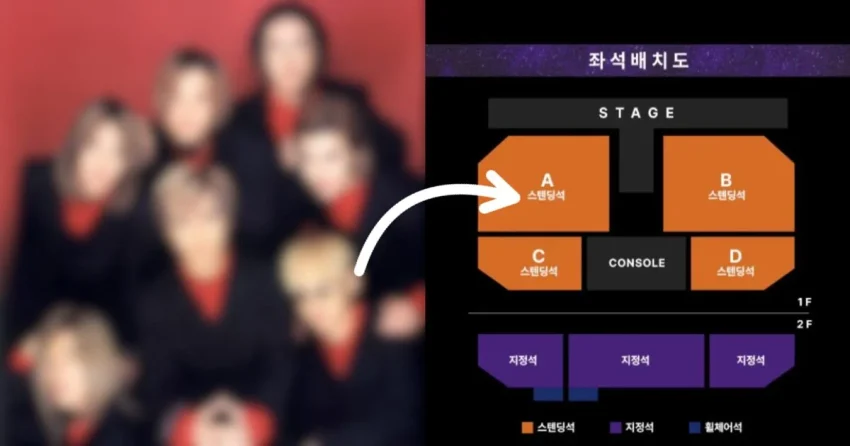
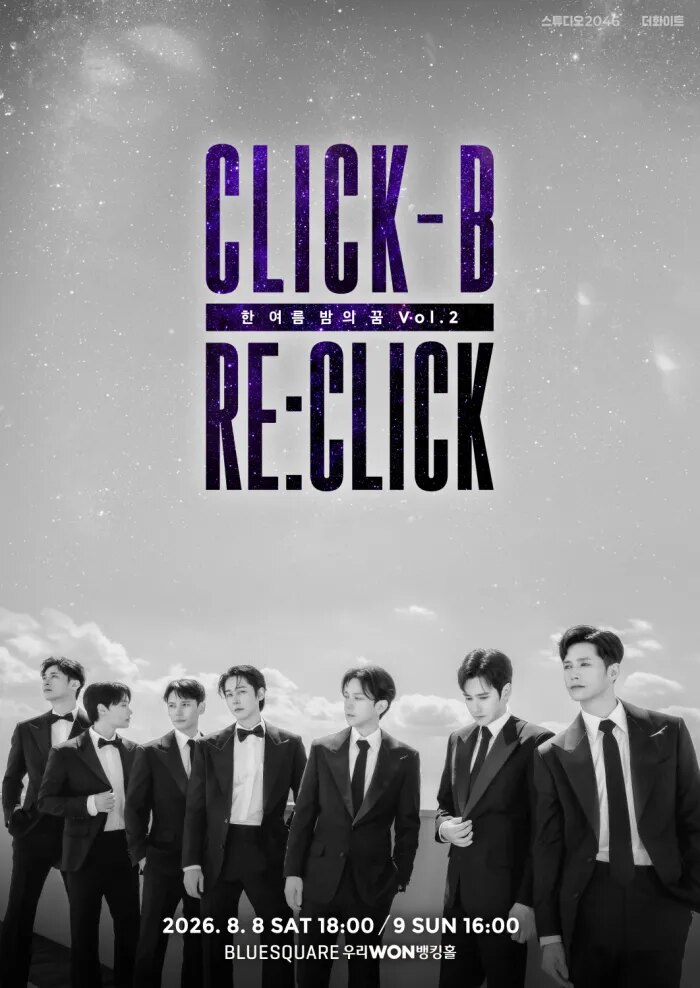
K-Pop pioneers Click-B, a group that carved a distinct niche in the nascent Hallyu wave of the late 1990s and early 2000s, have ignited a storm of controversy following the release of the seating plan for their highly anticipated 27th debut anniversary concert, CLICK-B RE: CLICK. The announcement, intended to celebrate a significant milestone and mark the first performance by all seven members in 11 years, instead drew widespread criticism from their dedicated fanbase, many of whom expressed profound disappointment and concern over the prevalence of standing sections.
The Anticipated Return of a K-Pop Legend
Click-B, formed by DSP Media (then DSP Entertainment) in 1999, debuted with a unique blend of rock and dance music, setting them apart from many of their contemporaries. Comprising members Woo Yeon-suk, Kim Tae-hyung, Oh Jong-hyuk, Kim Sang-hyuk, Ha Hyun-gon, Yoo Ho-seok (Evan), and No Min-hyuk, the group quickly garnered a devoted following with hits like "Bunggeobang" and "Cowboy." Their sound, which often incorporated live instrumentation alongside traditional K-Pop choreography, appealed to a diverse audience and solidified their position as one of the first-generation K-Pop acts. Over their nearly three-decade career, Click-B has experienced periods of hiatus, member departures for solo activities, and partial reunions, making the prospect of a full seven-member concert a deeply emotional and significant event for their long-standing supporters.
The upcoming CLICK-B RE: CLICK concerts are scheduled for August 8 and 9 in Seoul. This two-day event was initially met with immense excitement, not only because it commemorates their 27th anniversary, a rare feat in the often-volatile K-Pop industry, but more crucially, because it promises the full reunion of all seven original members on stage. Their last complete group performance dates back to 2015, making this an 11-year wait for fans to see the iconic lineup perform together once more. For many, this concert represents a nostalgic journey back to their youth, an opportunity to relive cherished memories, and a testament to the enduring power of their connection with the group.
A Milestone Anniversary: Click-B’s Enduring Legacy
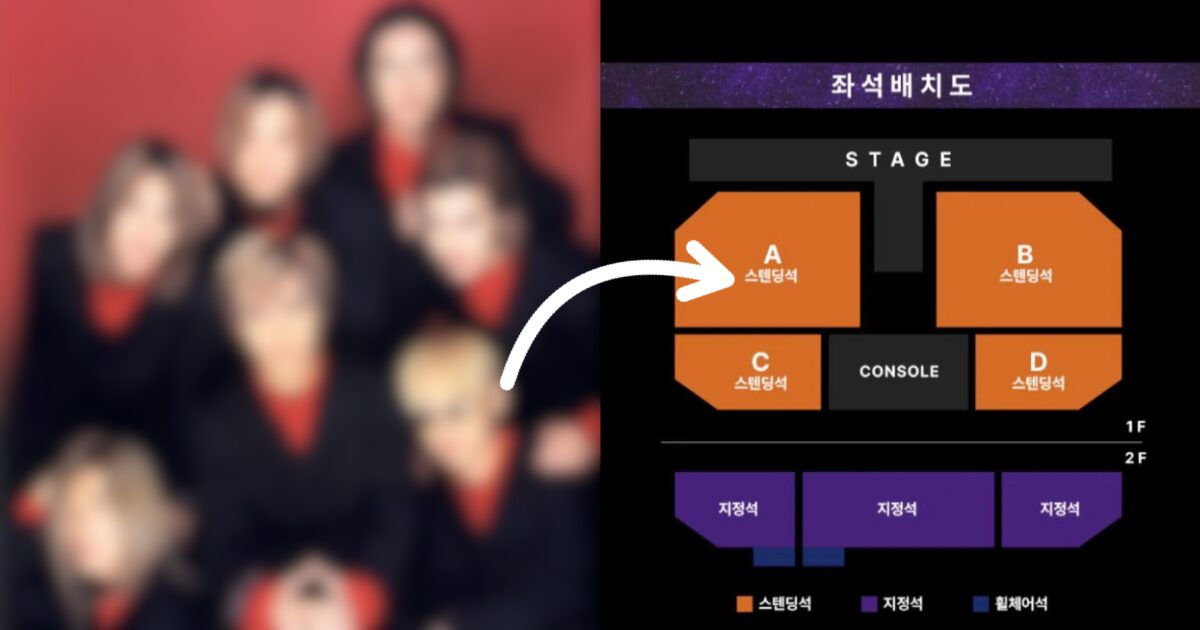
The 27th anniversary of a K-Pop group is an extraordinary achievement, particularly for a first-generation act. Groups from the late 90s and early 2000s laid the groundwork for the global phenomenon K-Pop is today, navigating an industry that was still defining its parameters. Click-B’s longevity is a testament to their musical appeal, the individual members’ continued relevance, and, perhaps most importantly, the unwavering loyalty of their fanbase. These fans, often referred to as "older fans" or "noona fans" (older sister fans), have grown up with the group, evolving from teenagers and young adults into mature individuals, many of whom now have professional careers, families, and significant life experiences. Their dedication has sustained Click-B through various phases, and their support is a critical component of the group’s continued existence in the public eye.
The CLICK-B RE: CLICK concert was envisioned as a grand celebration of this enduring legacy. Promotional materials and initial announcements highlighted the significance of the full seven-member reunion, stirring deep anticipation among fans who had patiently waited for such an occasion. This build-up created an expectation for an event that would honor both the group’s history and the steadfast commitment of their audience.
The Unveiling of the ‘RE: CLICK’ Seating Plan
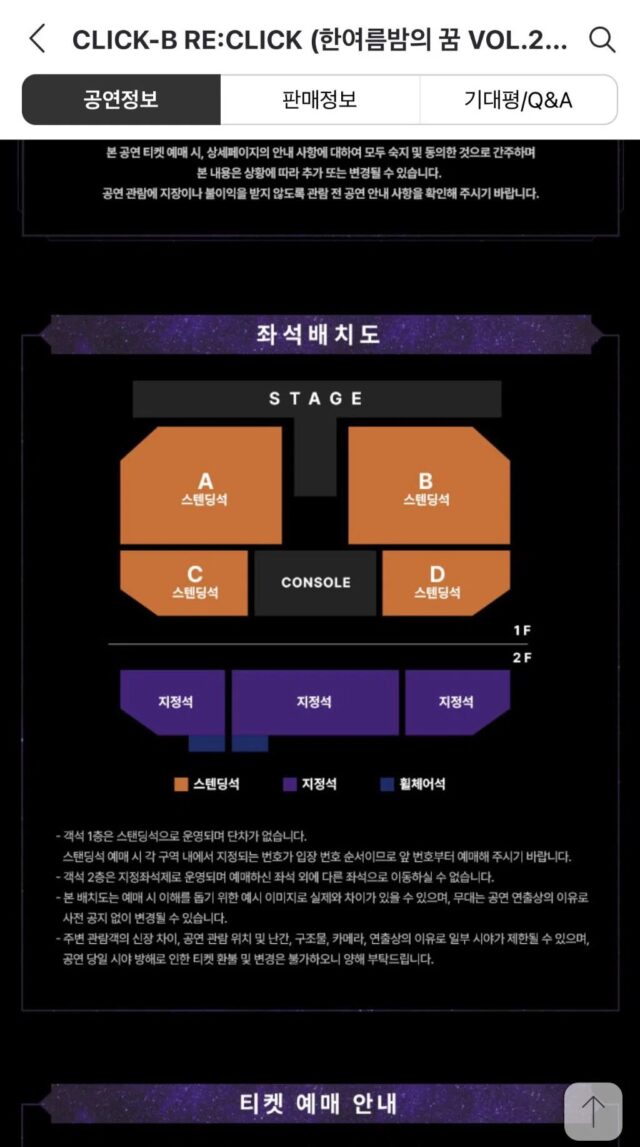
The widespread excitement, however, quickly turned into dismay with the official release of the concert’s seating chart. Images circulated online, depicting a layout dominated by extensive standing sections, particularly in the prime areas closest to the stage. While standing sections are common in K-Pop concerts, especially for groups with younger fanbases who prioritize dynamic stage interaction and proximity, the sheer volume of these areas for a group like Click-B struck many as an ill-considered decision.
The released seating maps showed large swaths designated as "standing zones," often encompassing the entire ground floor or a significant portion of it, with seated areas pushed further back or relegated to upper tiers. This contrasts sharply with concert setups typically observed for legacy acts or artists whose fanbases have matured. For such performers, comfortable seating options, good sightlines, and accessibility are often prioritized, acknowledging the physical comfort and diverse needs of an older audience.
Fan Demographics vs. Concert Design: A Growing Disconnect

The core of the backlash stems from a perceived disconnect between the concert’s seating design and the demographic profile of Click-B’s primary fanbase. Unlike contemporary K-Pop groups whose fans are predominantly teenagers and young adults, Click-B’s loyal supporters are largely in their late 30s, 40s, and even 50s. Many of these individuals have been fans since the group’s debut in 1999, meaning they have followed Click-B for over two decades.
This older demographic often faces different considerations when attending concerts. Standing for several hours, often in crowded conditions, can be physically taxing, leading to discomfort, fatigue, and potential health concerns. Issues such as back pain, joint problems, or simply the desire for a more relaxed viewing experience are common among this age group. Furthermore, many older fans might be attending with friends or family members who also prefer or require seated options. The prevalence of standing sections effectively limits their ability to comfortably enjoy what is meant to be a celebratory and nostalgic event.
The Outcry: "A Disregard for Veteran Fans"
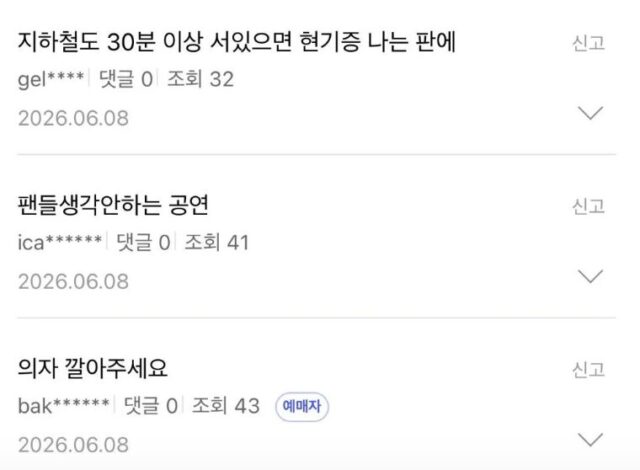
The online reaction was swift and largely negative. Social media platforms, K-Pop forums, and online communities were flooded with comments from disgruntled fans. Many expressed feelings of frustration, disappointment, and even a sense of betrayal. Common sentiments included:
- "Are they expecting us to be 20 again? My knees won’t last an hour!"
- "This seating chart completely disregards the age of their most loyal fans."
- "We’ve waited 11 years for a full reunion, and now we can’t even comfortably enjoy it."
- "It feels like the organizers haven’t considered who their audience actually is."
- "Are they trying to save money by maximizing capacity with standing room only?"
The backlash highlighted a broader issue within the K-Pop industry regarding how legacy groups and their dedicated, aging fanbases are catered to. While the industry is heavily focused on attracting new, younger fans for current idols, the needs and preferences of long-term supporters of older groups sometimes appear to be overlooked. The fans argued that after decades of unwavering support, they deserved an event designed with their comfort and enjoyment in mind.
Industry Precedents and Accessibility Concerns
Comparing Click-B’s concert seating to other legacy acts or even international artists with similar fan demographics reveals a contrasting approach. Concerts for artists popular in the 80s or 90s often prioritize fully seated venues or offer a significantly higher proportion of seated options, especially in premium viewing areas. This is not merely a courtesy but often a practical consideration for accessibility and overall audience experience.
In South Korea, venues typically offer a mix of standing and seated sections, but the balance often shifts depending on the artist and their target demographic. For groups known for attracting a more mature audience, ample seating is generally expected. The CLICK-B RE: CLICK seating chart, with its heavy emphasis on standing, was seen as an outlier and potentially indicative of a lack of foresight or understanding of the specific audience it aimed to serve.
Accessibility, broadly defined, also comes into play. While not explicitly an ADA (Americans with Disabilities Act) issue, the concept of designing events for diverse needs extends to age and physical stamina. Limiting comfortable viewing options for an older demographic can be seen as an indirect form of inaccessibility, making it harder for long-time fans to attend and participate fully.
Navigating Venue Logistics and Financial Implications
From the perspective of concert organizers and the agency, several factors might influence seating arrangements. Venue capacity is a primary concern. Standing sections often allow for a higher density of attendees in a given area compared to seated arrangements, potentially maximizing ticket sales and revenue. This can be particularly attractive for reunion concerts, where demand is often high but the perceived market size might not justify a massive arena with all-seated options.
Production costs also play a role. Setting up extensive seating infrastructure can be more complex and costly than simply designating standing zones. Furthermore, the availability of suitable venues in Seoul that perfectly balance capacity, amenities, and a fully seated layout for a specific date can be challenging. Organizers might have faced constraints regarding venue size, layout, or booking availability, leading them to compromise on the seating plan.
However, critics argue that these logistical and financial considerations should not come at the expense of fan comfort and loyalty. For a 27th-anniversary concert, which is as much about celebrating the fans as the group, the perceived cost-cutting measure or oversight regarding seating could prove to be a significant misstep in fan relations. The short-term gain from maximized capacity could be overshadowed by long-term damage to fan goodwill and future engagement.
The Agency’s Stance and Future Considerations
As of the latest reports, the organizing agency for Click-B’s CLICK-B RE: CLICK concert has yet to release an official statement addressing the widespread backlash. This silence, while not uncommon in the immediate aftermath of fan criticism, often exacerbates the situation, leaving fans feeling unheard and disregarded. In similar past instances within the K-Pop industry, agencies have sometimes adjusted seating plans, offered additional seated sections, or issued apologies and explanations in response to significant fan outcry. The decision of whether to respond, and how, will be crucial in mitigating the negative sentiment surrounding this milestone event.
A potential response could involve acknowledging the concerns of the older fanbase, perhaps explaining the logistical challenges, and outlining any measures taken to enhance comfort for standing attendees (e.g., dedicated rest areas, clear viewing lanes, or improved ventilation). Alternatively, a more significant shift might involve re-evaluating the seating layout for future events or even for the remaining tickets, though such changes are often difficult to implement once sales have commenced.
Broader Implications for the K-Pop Concert Landscape
This incident with Click-B serves as a poignant reminder of the evolving landscape of K-Pop fandom. As the genre matures, so do its original fans. The K-Pop industry, which has historically focused on cultivating young, energetic fanbases, must increasingly adapt to cater to a broader, more diverse audience, including the loyal supporters of its veteran groups.
The backlash highlights the critical importance of understanding fan demographics and designing concert experiences that genuinely cater to their needs. Failing to do so can alienate a significant portion of the fanbase, impacting ticket sales, merchandise purchases, and overall brand loyalty in the long run. Agencies and concert promoters need to consider:
- Age-appropriate concert design: Moving beyond a one-size-fits-all approach and tailoring venue layouts to the specific demographic of the artist.
- Fan feedback mechanisms: Establishing clearer channels for fans to provide input and ensuring that this feedback is genuinely considered in planning.
- Accessibility beyond legal requirements: Embracing a broader definition of accessibility that includes comfort and enjoyment for all age groups.
- Valuing legacy fans: Recognizing the immense contribution of long-term fans to a group’s sustained success and demonstrating that appreciation through thoughtful event planning.
The CLICK-B RE: CLICK controversy could serve as a case study for future concert organizers of veteran K-Pop groups. It underscores the delicate balance between maximizing revenue, managing logistics, and providing an unforgettable, comfortable experience for the fans who have been there from the beginning.
Conclusion: Balancing Tradition with Modern Fan Needs
Click-B’s 27th anniversary concert was meant to be a joyous reunion, a testament to enduring music and unwavering fan loyalty. Instead, the focus has shifted to a contentious seating plan that has left many long-time fans feeling marginalized. The incident illuminates a broader challenge for the K-Pop industry: how to appropriately honor its pioneers and their dedicated fanbases as both the groups and their supporters gracefully age.
For the CLICK-B RE: CLICK concerts to truly live up to their celebratory potential, a resolution or at least an acknowledgment of fan concerns will be paramount. Ultimately, the success of such milestone events hinges not just on the performance of the beloved artists, but also on ensuring that every fan, regardless of age, can comfortably and joyfully partake in the shared experience. The legacy of a legendary group deserves a concert experience that reflects the profound appreciation for its most steadfast supporters.