
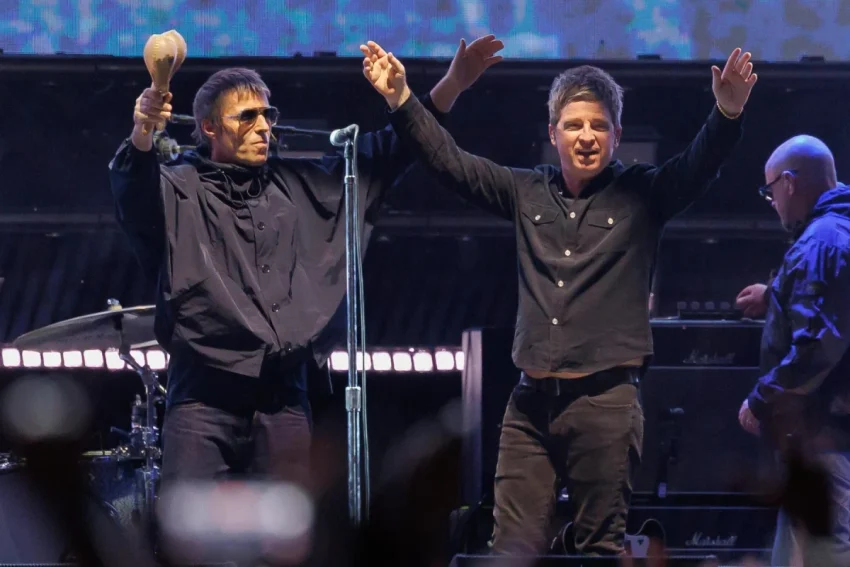
The enduring anthem of a generation, Oasis’ 1996 hit "Wonderwall," has achieved a remarkable resurgence, re-entering the prestigious Billboard Hot 100 chart for the first time since its initial chart run. This unexpected comeback is directly attributed to its embrace by fans of the England men’s national football team during the recently concluded 2026 FIFA World Cup, where the track became an unofficial soundtrack to their tournament journey. The iconic song, a staple of Britpop, has once again captured the public’s imagination, demonstrating its timeless appeal and its ability to transcend musical genres and connect with cultural moments.
The latest Billboard Hot 100 chart, dated July 25, sees "Wonderwall" debut at the No. 27 position. This re-entry is underpinned by a significant surge in consumption. According to data analytics firm Luminate, the song garnered 8.7 million chart-eligible U.S. streams during the week of July 10-16, representing a substantial 73% increase week over week. Complementing this digital success, "Wonderwall" also experienced a robust performance on radio, accumulating 2.2 million in all-format radio audience, an increase of 41%. Furthermore, its digital sales saw a dramatic spike, with 1,000 downloads sold, marking a 112% rise. This multifaceted performance underscores the broad appeal and renewed interest in the track.
The phenomenon of "Wonderwall" becoming intertwined with the England football team’s World Cup campaign is a testament to the power of music in collective cultural experiences. As England navigated the challenges and triumphs of the global tournament, which concluded on July 15, fans spontaneously adopted the song as a rallying cry and a symbol of national pride. This organic adoption led to widespread singing of the track in fan zones, pubs, and at gatherings, creating a powerful emotional connection between the music and the sporting event. The emotional resonance of "Wonderwall," with its themes of hope and connection, proved particularly potent during a period of intense national focus on the team’s performance.
This resurgence extends beyond U.S. shores, impacting global music charts as well. As previously reported, "Wonderwall" has made significant strides on the Billboard Global 200 and Billboard Global Excl. U.S. charts. It surged to No. 4 on the Global 200, a jump from its previous position, and also landed at No. 4 on the Global Excl. U.S. chart. These global gains are reflected in a 64% increase in worldwide streams, totaling 35 million, and a remarkable 78% rise in worldwide sales, reaching 4,000 units. This global reach highlights "Wonderwall’s" universal appeal and its ability to resonate with audiences across different cultural landscapes.
A Nostalgic Return to Chart Prominence
The current chart success of "Wonderwall" marks a significant return for the song to mainstream radio and streaming platforms. Originally released in 1996, the track reached its peak on the Billboard Hot 100 at No. 8. It enjoyed a sustained presence on the chart, completing a 20-week run in June of that year. Its re-entry signifies a remarkable longevity, with the song now appearing on the chart nearly three decades after its initial success.
Oasis’ presence on the Billboard charts is not solely defined by "Wonderwall." The band has a rich history of chart performance, particularly on the Alternative Airplay chart. They have secured six top 10 hits on this chart, including:
- "Live Forever" (No. 2, 1995)
- "Wonderwall" (No. 1 for 10 weeks, 1995-96)
- "Champagne Supernova" (No. 1 for five weeks, 1996)
- "Don’t Look Back in Anger" (No. 10, 1996)
- "D’You Know What I Mean?" (No. 4, 1997)
- "Don’t Go Away" (No. 5, 1997)
This consistent success on the Alternative Airplay chart cemented Oasis’ status as a dominant force in the alternative rock scene of the 1990s.
Furthermore, Oasis’ impact is also evident on the Billboard 200 album chart, where they have achieved three top 10 albums:
-
- (What’s the Story) Morning Glory?* (No. 4, 1996) – the album that features "Wonderwall"
- Be Here Now (No. 2, 1997)
- Dig Out Your Soul (No. 5, 2008)
These album achievements highlight the band’s ability to connect with a broad audience, not just through their singles but also through their cohesive body of work.
The band’s last appearance on the Hot 100 prior to this current resurgence was in October 2008 with "The Shock of the Lightning," which peaked at No. 93. This further emphasizes the exceptional nature of "Wonderwall’s" return to the top ranks of the chart.
A Year of Notable Milestones for Oasis
The renewed popularity of "Wonderwall" arrives during a particularly significant year for Oasis, marked by several high-profile events. The band, which formed in the early 1990s and famously split in 2009 before reuniting in 2024, is set to be inducted into the Rock & Roll Hall of Fame in November. This prestigious honor acknowledges their profound and lasting impact on the music industry.
Adding to this celebratory period, the first official trailer for the documentary Don’t Look Back in Anger premiered on July 4. This film chronicles the band’s highly anticipated reunion and their "Live ’25" comeback tour. The documentary is slated for release in theaters and IMAX cinemas on September 11, with a global streaming debut to follow later this year on Disney+ and Hulu in the U.S. These developments collectively underscore a significant moment of renewed interest and recognition for the band.
The Enduring Legacy of "Wonderwall"
The commercial success of "Wonderwall" has been substantial throughout its existence. To date, the song has accumulated an impressive 1.5 billion official U.S. streams. Its reach extends to 1.7 billion in radio audience and a total of 2.9 million in download sales. These figures attest to its enduring popularity and its status as one of the most commercially successful songs of its era.
The members of Oasis have also expressed their appreciation for the song’s continued relevance and its connection to cultural moments. Following England’s World Cup victory over Croatia on June 17, Noel Gallagher, a principal songwriter for the band, shared his thoughts with The Sun. He stated, "’Wonderwall’ belongs to the people, and it was a magical moment between the people and the players." This sentiment highlights Gallagher’s view of the song as a communal anthem, its ownership residing with the listeners and its power amplified by shared experiences.
The 2026 FIFA World Cup provided a unique stage for "Wonderwall" to demonstrate its enduring power. The tournament, hosted across multiple nations, brought together football enthusiasts from around the globe, fostering a sense of shared passion and excitement. During this period, the song’s anthemic qualities and its familiar melody resonated deeply with England supporters, transforming it from a beloved classic into a symbol of collective hope and national identity during a high-stakes sporting event. This organic integration into the fan culture surrounding the World Cup has undeniably been the catalyst for its impressive return to the Billboard charts. The song’s ability to evoke strong emotions and foster a sense of unity has proven to be a potent force, transcending its original context and finding new life in the passionate atmosphere of a major international sporting competition. The synergy between the raw emotion of football fandom and the heartfelt delivery of "Wonderwall" has created a potent cultural moment, reminding listeners of the song’s profound impact and its capacity to connect people through shared experience.