Miss Universe 2015 Pia Wurtzbach and the Global Convergence of Pageantry and K-pop Culture
Article Editorial Team
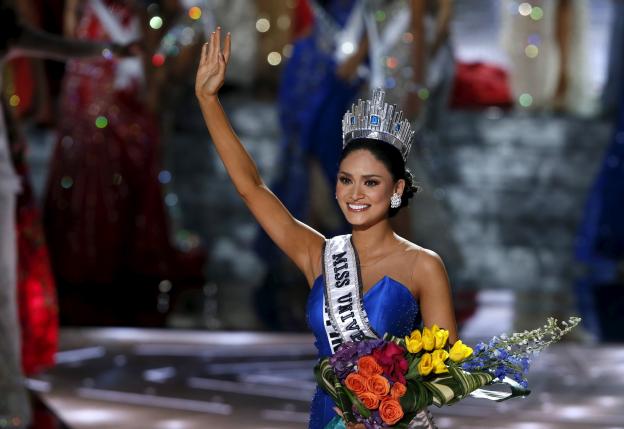
The 64th Miss Universe pageant, held on December 20, 2015, at the AXIS in Las Vegas, Nevada, will be remembered as one of the most dramatic events in the history of international beauty competitions. While the initial headlines were dominated by a significant live broadcasting error by host Steve Harvey—who mistakenly announced Miss Colombia, Ariadna Gutiérrez, as the winner before correcting himself to crown Miss Philippines, Pia Wurtzbach—a secondary narrative soon emerged that captivated a different global demographic. In the days following her coronation, social media sleuths and fans discovered that Wurtzbach was a devoted follower of South Korean pop music, specifically a "stan" of the veteran boy band Super Junior. This revelation not only humanized the newly crowned Miss Universe but also highlighted the immense, cross-border reach of the Hallyu wave, or the Korean Cultural Wave, particularly within Southeast Asia.
The Coronation and the Global Media Firestorm
The Miss Universe 2015 finale reached an estimated global audience of over 10 million viewers in the United States alone, with millions more tuning in internationally. The climax of the evening became an instant viral sensation when Steve Harvey misread the results card. For approximately three minutes, Miss Colombia wore the crown and sash, only for Harvey to return to the stage to apologize and announce that the Philippines had actually won its first title in 42 years.
While the "mix-up" created a diplomatic and media frenzy, the transition of the crown to Pia Wurtzbach signaled a major victory for the Philippines, a nation where beauty pageantry is considered a national obsession. However, as the dust settled on the pageant controversy, the focus shifted to Wurtzbach’s personal interests. Within 48 hours of her win, K-pop fans, particularly those within the "ELF" (Ever Lasting Friends) fandom—the official fan club for Super Junior—began unearthing Wurtzbach’s old tweets from 2009 to 2011.
The Discovery of the "ELF" Connection
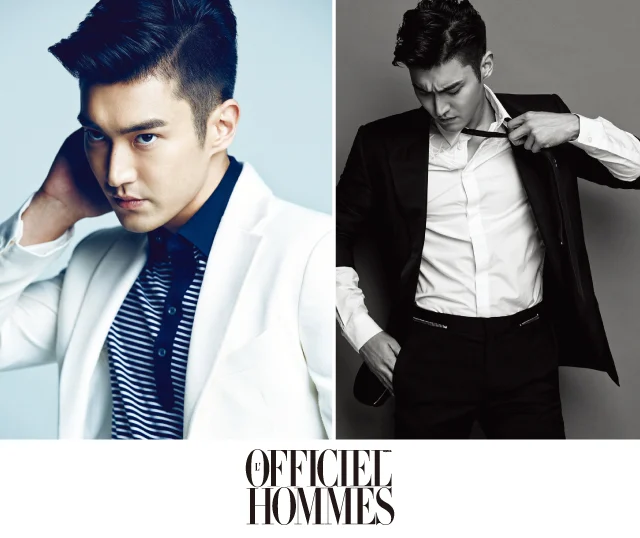
The digital trail left by Wurtzbach revealed a side of the Miss Universe that resonated deeply with the youth and digital natives of the 21st century. Her tweets, written long before she achieved national and international fame, showcased a genuine enthusiasm for K-pop. Most notably, she frequently referred to herself as "Mrs. Siwon Choi," a nod to Choi Si-won, a prominent member of Super Junior and a global Hallyu icon.
In one tweet dated back to 2009, she expressed her admiration for the group’s music, and in others, she participated in the common fan practice of "shipping" or expressing a celebrity crush. For the K-pop community, this was more than just a piece of trivia; it was a validation of their culture. To see a woman who had reached the pinnacle of traditional beauty and grace identify as a "fangirl" broke stereotypes regarding the typical K-pop consumer. This discovery bridged the gap between the high-stakes world of international pageantry and the grassroots, digitally-driven world of music fandoms.
Chronology of Events and Social Media Impact
The timeline of Wurtzbach’s journey from a fan to a global ambassador illustrates the power of social media in the modern era:
- 2009–2011: Pia Wurtzbach, then an aspiring actress and model in the Philippines, actively tweets about her love for Super Junior and Choi Siwon.
- December 20, 2015: Wurtzbach is crowned Miss Universe 2015 in Las Vegas after the historic Steve Harvey announcement error.
- December 22–24, 2015: International fans locate her old tweets. The hashtags #MissUniverse and #SuperJunior begin to trend together globally.
- December 27, 2015: Choi Siwon, then serving his mandatory military service in South Korea, acknowledges Wurtzbach’s win via Instagram. He posted a photo of himself and invited her to the next "Super Show," the group’s concert tour.
- Early 2016: The interaction results in a massive spike in social media engagement for both the Miss Universe Organization and SM Entertainment, the agency representing Super Junior.
This chronology demonstrates how a personal interest can transform into a strategic PR asset, linking two of Asia’s most potent cultural exports: Filipina beauty queens and Korean pop stars.
The Hallyu Wave in the Philippines: A Contextual Analysis
To understand why Wurtzbach’s K-pop fandom was so significant, one must look at the socio-cultural landscape of the Philippines. The Hallyu wave began to take root in the country in the early 2000s, primarily through "Koreanovelas" (Korean dramas) like Full House and Jewel in the Palace. By 2009, when Wurtzbach was tweeting about Super Junior, K-pop had begun to dominate the airwaves with hits like "Sorry, Sorry" and Wonder Girls’ "Nobody."
Data from the Korea Foundation’s 2015 report on the status of Hallyu indicated that the Philippines was one of the fastest-growing markets for Korean cultural content. The country’s high English proficiency and heavy social media usage made it a prime hub for digital fandoms. Wurtzbach’s fandom was not an anomaly; she was part of a generation of Filipinos who grew up with Korean entertainment as a staple of their media diet. Her win as Miss Universe served as a peak moment for this cultural synergy, proving that the Hallyu influence had permeated all levels of society, from the general public to the elite circles of pageantry.
Official Responses and Strategic Cultural Diplomacy
The response from the K-pop industry was swift and professional. Choi Siwon’s Instagram post, which featured a suave photo and a congratulatory message, was seen as a masterclass in cultural diplomacy. He wrote: "Pia Alonzo Wurtzbach 🙂 Heartfelt congratulations on your Miss Universe 2015 award, and please look forward to our next concert ‘Super Show’. Looking forward to seeing you there."
This interaction was not merely a celebrity exchange; it was a convergence of two massive "soft power" entities. For the Miss Universe Organization, Wurtzbach’s K-pop connection provided an avenue to engage with a younger, tech-savvy demographic in Asia. For SM Entertainment and Super Junior, it was an opportunity to reaffirm their status as the "Kings of Hallyu" by showing that their influence reached even the most prestigious stages in the world.
Furthermore, Leeteuk, the leader of Super Junior, also took to social media to congratulate Wurtzbach, acknowledging the power of the "ELF" fandom in supporting her. These official responses solidified the link between the pageant world and the music industry, creating a unique moment of cross-industry solidarity.
Broader Implications: The Humanization of the Beauty Queen
The traditional image of a Miss Universe is often one of unattainable perfection—poised, scripted, and somewhat distant. Wurtzbach’s public history as a K-pop fan disrupted this narrative. It portrayed her as a relatable individual with hobbies and passions that mirrored those of millions of young women worldwide.

This "humanization" is a critical component of modern celebrity branding. In an era where authenticity is highly valued, the discovery of Wurtzbach’s past tweets acted as a testimonial to her genuineness. She was not just a titleholder; she was a person who had once waited for music video releases and gushed over her favorite singer. This relatability is credited with helping her maintain a high level of popularity long after her reign ended, as she became a symbol of the "relatable queen."
Economic and Social Media Data
The impact of this cultural crossover can be quantified through social media metrics. Following the interaction between Wurtzbach and Super Junior, the following trends were observed:
- Engagement Spikes: The Instagram post by Choi Siwon received over 300,000 likes within hours, a significant number for the platform in 2015.
- Search Trends: Google Trends data showed a correlated spike in searches for "Pia Wurtzbach Super Junior" and "Miss Universe K-pop" across Southeast Asia and South Korea.
- Fandom Growth: The official Super Junior fan pages in the Philippines reported a surge in new members, many of whom were drawn to the group through the Miss Universe connection.
These figures illustrate the tangible influence of "niche" fandoms when they intersect with mainstream global events. The economic potential of such crossovers is vast, leading to increased concert ticket sales, merchandise purchases, and brand endorsements.
Conclusion: A Legacy of Cultural Synergy
The story of Pia Wurtzbach and her K-pop fandom is a testament to the interconnectedness of the modern world. It highlights how digital footprints can bridge the gap between different cultures and industries, creating moments of unexpected unity. Wurtzbach’s victory was a win for the Philippines, but her identity as an "ELF" was a win for the global Hallyu community.
As the Hallyu wave continues to expand its reach through groups like BTS and Blackpink, the "Wurtzbach-Siwon" moment remains a foundational example of how South Korean culture has become a global language. It proved that whether on a pageant stage in Las Vegas or a concert arena in Seoul, the shared passions of fans can create a powerful, unified narrative that transcends borders, titles, and languages. Pia Wurtzbach did more than just bring the Miss Universe crown back to the Philippines; she demonstrated that even the most prestigious figures in the world are often, at their core, fans of the art and culture that move the rest of the planet.
Related News