Miss Universe 2015 Pia Wurtzbach and the Intersection of Global Pageantry and the Hallyu Phenomenon
Article Editorial Team
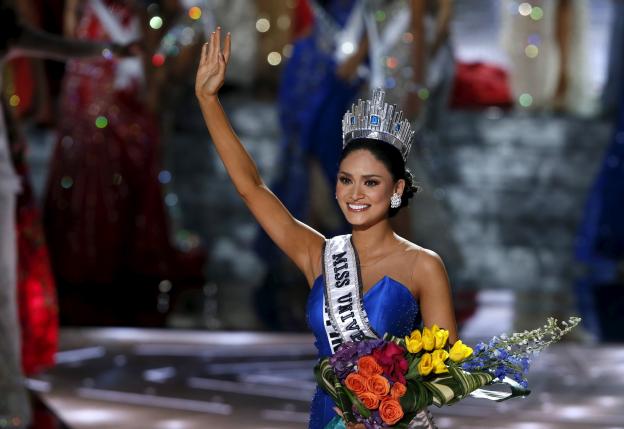
The 64th Miss Universe pageant, held on December 20, 2015, at the AXIS in Las Vegas, Nevada, remains one of the most discussed events in the history of international beauty competitions. While the evening was initially defined by a significant live broadcasting error involving host Steve Harvey, the subsequent weeks revealed a unique cultural intersection between the world of global pageantry and the South Korean music industry, known as K-pop. Pia Wurtzbach, representing the Philippines, was eventually crowned Miss Universe 2015, but her victory served as a catalyst for a broader discussion regarding the global reach of the Hallyu wave and the evolving nature of celebrity fandom in the digital age.
The 2015 Miss Universe Crowning Incident
The primary narrative of the 2015 pageant was dominated by the final moments of the broadcast. Host Steve Harvey mistakenly announced Ariadna Gutiérrez of Colombia as the winner. Gutiérrez was crowned and performed her first walk as Miss Universe before Harvey returned to the stage to clarify that a mistake had been made. He revealed that Wurtzbach was the actual winner, while Gutiérrez was the first runner-up. This error, which Harvey attributed to a misreading of the results card, immediately went viral, garnering millions of views across social media platforms and sparking intense debate regarding pageant protocols and live television production.
Amidst this international media frenzy, a secondary story began to emerge within the K-pop community. Digital archivists and fans discovered that Wurtzbach was a long-time enthusiast of South Korean pop culture. Specifically, her past social media activity highlighted a deep-seated admiration for the boy band Super Junior, one of the foundational groups of the "Second Generation" of K-pop. This revelation transformed Wurtzbach from a traditional pageant queen into a relatable figure for millions of K-pop fans worldwide, effectively bridging two distinct global subcultures.
Chronology of the Digital Revelation
The timeline of the public’s discovery of Wurtzbach’s fandom followed the pageant’s conclusion by only a few days. As the new Miss Universe began her media tour in New York City, fans on Twitter and various K-pop forums began unearthing tweets from her account dating back to 2009 and 2011.
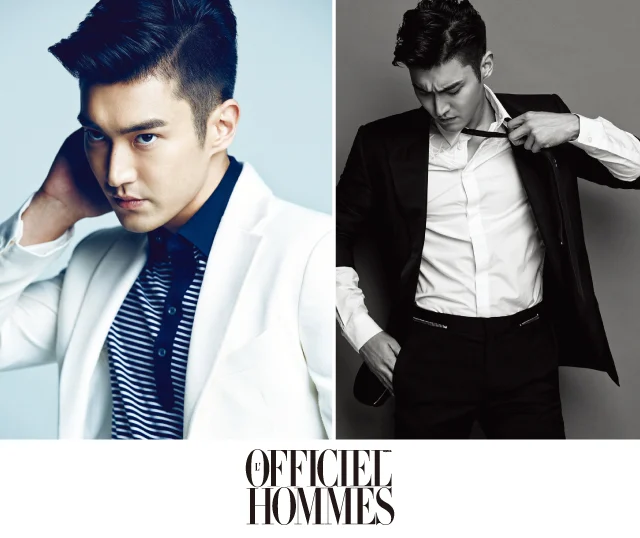
In these posts, Wurtzbach expressed a clear preference for Choi Siwon, a prominent member of Super Junior and a major Hallyu star. Her tweets included references to herself as "Mrs. Siwon Choi" and showcased her participation in fan discussions common among the "ELF" (Ever Lasting Friends) fandom, the official name for Super Junior supporters. On May 1, 2009, she tweeted about her admiration for the group, and in subsequent posts, she engaged with the typical tropes of K-pop "stanning," a term used to describe intensive fandom.
The discovery was not merely a matter of trivia; it represented a shift in how public figures are perceived. By the time she was crowned Miss Universe, Wurtzbach had already spent years in the Philippine entertainment industry, having worked as a model, actress, and stylist. The fact that she maintained a visible, enthusiastic interest in K-pop during her formative years in the industry provided a layer of authenticity that resonated with the younger, tech-savvy demographic that drives modern social media engagement.
The Hallyu Wave in the Philippines: Context and Data
The Philippines has long been a primary hub for the consumption of South Korean cultural exports. The "Hallyu" or Korean Wave first gained significant traction in the country in the early 2000s through the broadcast of Korean dramas (locally termed "Koreanovelas"). This was followed by the explosive growth of K-pop in the late 2000s, led by groups such as Super Junior, Girls’ Generation, and 2NE1.
Data from the mid-2010s indicates that the Philippines consistently ranked among the top five countries globally for K-pop-related social media activity. The popularity of Super Junior in the Philippines was particularly noteworthy; the group was one of the first K-pop acts to hold a large-scale solo concert in the country (Super Show 2 in 2010), which helped cement the Philippines as a vital market for SM Entertainment, the group’s management agency.
Wurtzbach’s fandom is reflective of a wider national trend. According to reports on cultural consumption, the integration of Korean music and television into the Philippine mainstream has influenced local fashion, beauty standards, and even language. For Wurtzbach, being an "ELF" was not an outlier behavior but rather a common trait among her generation of Filipinos, further humanizing her to her domestic base while simultaneously endearing her to the international K-pop community.
Official Responses and Industry Engagement
The intersection of Wurtzbach’s victory and her K-pop fandom eventually reached the subjects of her admiration. On December 27, 2015, Choi Siwon acknowledged Wurtzbach’s win and her fandom via his official Instagram account. He posted a photo of himself alongside a congratulatory message, inviting her to attend a future "Super Show" concert.
The official Super Junior Twitter account and other members of the group also acknowledged the news. This interaction was significant for several reasons. First, it validated the "fan-to-idol" pipeline in a public, high-stakes arena. Second, it demonstrated the agility of K-pop management companies in leveraging global news events to increase brand visibility. By acknowledging a Miss Universe winner as a fan, Super Junior and SM Entertainment were able to tap into the massive media coverage surrounding the pageant.
Furthermore, the Miss Universe Organization (MUO) recognized the value of this cross-promotional potential. During her reign, Wurtzbach’s interest in K-pop was occasionally referenced in official interviews and social media posts, helping the organization maintain relevance among younger demographics who might otherwise view beauty pageants as antiquated.
The "Stan" Culture and the Professional Public Image
The original report touched upon a common sentiment among K-pop fans: the "embarrassment" or "caution" associated with being a dedicated fan (a "stan"). This phenomenon, often discussed in sociological studies of fandom, involves the fear of being judged for the intensity of one’s interests.
In the context of 2015, "stanning" was often viewed through a lens of teenage obsession, which could be perceived as detrimental to a professional image. However, Wurtzbach’s ascent to the title of Miss Universe while being an open K-pop fan challenged this stigma. It suggested that high-level professional success and intense personal fandom are not mutually exclusive.
Analysis of the "Wurtzbach Effect" suggests that her openness helped transition K-pop fandom from a niche, sometimes ridiculed subculture into a more accepted mainstream interest. For professionals in various fields, seeing a global ambassador for beauty and diplomacy celebrate her love for a boy band provided a form of social "permission" to express similar interests without fear of professional repercussions.

Broader Impact and Implications
The convergence of Miss Universe 2015 and the Hallyu wave has lasting implications for both the pageant industry and the South Korean entertainment sector.
1. Soft Power and National Identity
The event highlighted the "soft power" of South Korea. The fact that a representative from the Philippines, competing on a global stage in the United States, was influenced by Korean cultural products demonstrates the successful globalization of Korean media. It also showcased the Philippines’ role as a cultural bridge in Asia, where various influences are synthesized into a unique national identity.
2. The Evolution of Pageantry
The Miss Universe Organization has, in the years following 2015, moved toward a more "relatable" and "empowered" branding strategy. Wurtzbach’s reign was a turning point, moving away from the "ice queen" persona of previous decades toward a more accessible, social-media-active personality. Her fandom was a key component of this shift, providing a roadmap for how future contestants could use their personal interests to build a global brand.
3. Digital Archiving and Public Scrutiny
The Wurtzbach story serves as a case study in the permanence of the digital footprint. Her tweets from 2009 remained accessible and became a part of her global narrative in 2015. This underscores the importance of social media history in the vetting and discovery process of public figures, though in this instance, the discovery was overwhelmingly positive.
Conclusion
Pia Wurtzbach’s journey from a persistent contestant in the Binibining Pilipinas pageant to the Miss Universe stage is a narrative of resilience. However, the enrichment of her story through her K-pop fandom provides a more nuanced look at the modern celebrity. By bridging the gap between the structured world of international beauty competitions and the vibrant, often chaotic world of K-pop fandom, Wurtzbach became a symbol of a new, interconnected global culture.
The events of late 2015 demonstrated that the "Hallyu wave" was no longer just a regional trend but a global force capable of reaching the highest echelons of international entertainment. As Wurtzbach transitioned from her reign into a career as a global influencer and advocate, her status as an "ELF" remained a beloved footnote in her biography, proving that personal passions, no matter how "niche" they may seem, are integral to the humanizing of global icons.
Related News