Navigating the Complex Ecosystem of K-pop Fandoms and the Evolution of Global Fan Communities
Article Editorial Team
The global ascent of South Korean popular music, known as K-pop, has transformed from a niche regional interest into a multi-billion-dollar cultural juggernaut, driven primarily by its highly organized and intensely dedicated fanbases. Unlike traditional music fandoms that may center on a singular artist, the K-pop ecosystem operates through a sophisticated hierarchy of identities, ranging from casual listeners to "stans" who participate in "official" fan clubs and digital sub-communities. As the industry continues to expand its reach across the West and beyond, understanding the internal politics, terminology, and infrastructure of these fandoms has become essential for sociologists, marketers, and the casual observer alike.
The Structural Hierarchy of K-pop Fandom
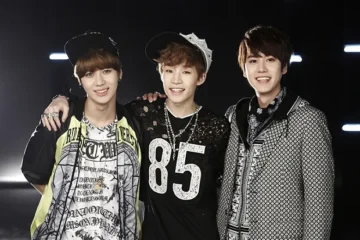
A defining characteristic of K-pop participation is the granular level of identification available to the fan. At the broadest level, an individual may identify as a K-pop fan, implying an interest in the genre’s aesthetics, production values, and the general idol industry. However, the community quickly diverges into specific group fandoms, each possessing a unique name, color, and internal culture. For instance, a fan of the group SHINee is known as a "Shawol," while a fan of BTS is an "ARMY," and a follower of Twice is a "Once."
The categorization does not stop at the group level. Within these collectives, "sub-fandoms" exist for individual members. A fan may have a "bias"—a favorite member of the group—and may even join a specific sub-community dedicated to that individual. In the case of SHINee, a fan whose bias is Taemin might refer to themselves as a "Taemint." This intricate division system can lead to complex internal dynamics. While most fans support the group as a whole (often referred to as being "OT" followed by the number of members, such as "OT5"), some become "solo stans" or, in more extreme and controversial cases, "akgaes"—fans who support one member to the detriment of the others.
This hierarchical structure is more rigid than those found in Western media. While fans of franchises like Harry Potter or Doctor Who share a common interest, K-pop fandoms often function as a primary identity that dictates social interactions, consumption habits, and even political leanings within digital spaces.
A Chronology of Fandom Evolution: From Balloons to Weverse
The history of K-pop fandom is typically categorized into "generations," each defined by the technology used to facilitate fan-artist interaction.
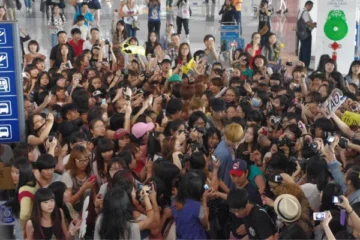
In the First Generation (late 1990s to early 2000s), fandoms for groups like H.O.T. and Sechs Kies were localized in South Korea. Interaction was physical: fans waited outside management buildings, wrote physical letters, and identified themselves at concerts using specific colored raincoats and balloons. Rivalries were often physical, with legendary clashes occurring between opposing fan groups in public squares.
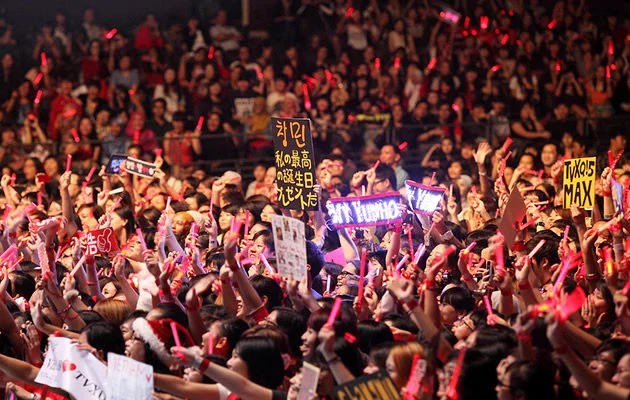
The Second Generation (mid-2000s to early 2010s) saw the rise of the digital "Fan Cafe." Hosted on Korean portals like Daum or Naver, these were the first organized digital hubs where management companies (agencies) could communicate directly with fans. This era also introduced the "lightstick"—a high-tech evolution of the glowstick—which became a standard tool for fans to show their presence during performances.

The Third and Fourth Generations (2013 to the present) marked the era of "Global Fandom." Social media platforms like Twitter, Tumblr, and TikTok decentralized the fandom experience, allowing international fans to bypass the linguistic barriers of Korean fan cafes. This era also saw the rise of dedicated platforms like V Live (now integrated into Weverse) and Bubble, which offer paid subscription models for "one-on-one" style messaging with idols, further blurring the lines between the artist and the consumer.
The Infrastructure of Official and International Fan Groups
For many years, the pinnacle of fan involvement was membership in an "Official Fan Club." These organizations, sanctioned by the artist’s agency (such as SM Entertainment, HYBE, or JYP Entertainment), require a membership fee and often a Korean social security number or a specialized alien registration number, making them historically difficult for international fans to join. Membership benefits include early access to concert tickets, exclusive merchandise, and the ability to attend music show recordings like M Countdown or Inkigayo.
For those outside of South Korea, "International Fan Sites" became the primary alternative. These are fan-run organizations that provide translations, news updates, and coordinate large-scale projects. These sites often act as a bridge, translating Korean content for the English-speaking world and organizing "support projects." These projects include purchasing billboards for an artist’s birthday or sending "rice wreaths" to press conferences. Rice wreaths are a unique K-pop tradition where fans donate large quantities of rice in the artist’s name to a chosen charity, effectively turning fan devotion into philanthropic action.
Economic Impact and Fandom Data
The economic power of these fandoms is quantifiable and immense. According to the International Federation of the Phonographic Industry (IFPI), K-pop has consistently driven growth in the global music market. In 2023, K-pop artists accounted for a significant portion of the top 10 global album sales. This is largely due to the "collectibility" of physical albums, which include randomized photo cards, posters, and lyric books—items that hold high resale value within the fan community.

Data from Twitter (now X) indicated that in 2021 alone, there were over 7.8 billion tweets globally about K-pop. This digital engagement translates to real-world power; fandoms have demonstrated the ability to "chart" songs on the Billboard Hot 100 through coordinated streaming parties and bulk-buying campaigns. Furthermore, the "fandom economy" extends to luxury brands, where K-pop idols serving as global ambassadors can cause products to sell out within minutes of a social media post, a phenomenon often referred to as the "Sold Out King/Queen" effect.
Fandom Politics and the Dark Side of Devotion
While fandoms offer a sense of community, they are also prone to internal and external conflict. "Fandom politics" involves everything from "fan wars" (digital arguments between rival fanbases) to debates over how an agency manages an artist’s career. The intense parasocial relationship—a one-sided psychological bond where the fan feels a deep personal connection to the celebrity—can lead to protective or even possessive behavior.
A significant issue within the culture is the "Sasaeng" fan—a term used to describe obsessive individuals who engage in stalking or other invasive behaviors that infringe on an artist’s privacy. Agencies have increasingly taken a "zero tolerance" stance toward such behavior, frequently publishing "blacklists" of fans who are banned from official events.
Conversely, the political power of fandoms has been used for social good. In 2020, K-pop fans gained international headlines for their involvement in social justice movements, including the "matching" of a $1 million donation to Black Lives Matter by BTS and the disruption of a political rally through coordinated ticket reservations.

Implications and Future Outlook
The evolution of K-pop fandom represents a shift in the nature of celebrity and consumerism. The model has moved away from passive consumption toward an active, participatory experience where the fan feels responsible for the artist’s success. This "labor of love" includes subbing videos, creating fan art, writing fan fiction, and managing massive social media accounts that act as unofficial PR firms for the idols.
As the industry moves into the "Fifth Generation," the integration of AI and virtual idols (such as the group MAVE: or PLAVE) suggests that the concept of fandom may soon transcend the need for a physical human artist. These virtual entities are supported by the same rigorous fandom structures as their human counterparts, proving that the "K-pop method"—the creation of a community-driven, identity-focused ecosystem—is the genre’s most potent export.
Ultimately, the K-pop fandom experience is defined by the level of commitment an individual chooses to give. Whether one is a casual listener or a dedicated "official" member, the community provides a global network of connection. As the original text notes, the heart of the experience is not dictated by how much one spends or how many translations one reads, but by the shared emotional investment in the music and the artists. As this niche market continues to dominate the mainstream, the structures established by K-pop fans are likely to become the blueprint for all future forms of global entertainment engagement.
Related News