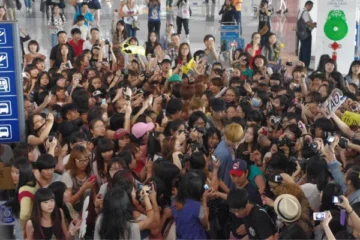
Navigating the Complex Hierarchy and Cultural Evolution of Global K-pop Fandom Systems
Article Editorial Team
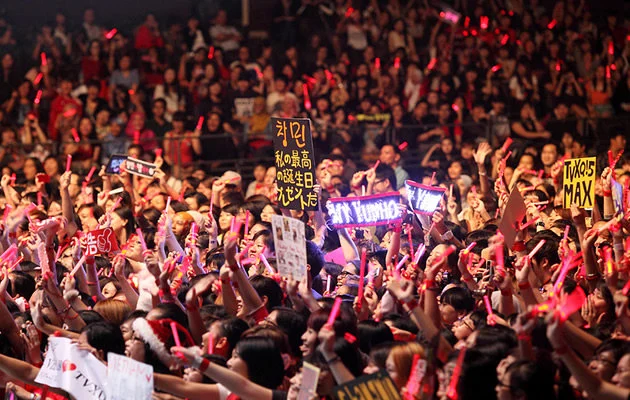
The global expansion of South Korean popular music, known as K-pop, has cultivated one of the most intricate and dedicated consumer ecosystems in the modern entertainment industry. Unlike traditional music audiences, K-pop listeners often participate in a multi-layered community structure that dictates social interaction, consumer behavior, and even political activism. This system is defined by a hierarchy of involvement, ranging from casual listeners to "official" fan club members, and is further segmented into specific group loyalties and individual member preferences. Understanding the mechanics of these fandoms is essential for comprehending how K-pop has transitioned from a regional niche into a dominant force in the global cultural landscape.
The Structural Hierarchy of K-pop Fandoms
At the core of the K-pop experience is a Russian-doll structure of identity. While a general interest in the genre classifies an individual as a "K-pop fan," the community is primarily organized around specific musical acts. Each group possesses a unique fandom name, often bestowed by the entertainment agency, which serves as a primary identity for the consumer. For example, fans of the group SHINee are known as "Shawols" (a portmanteau of SHINee World), while fans of Girls’ Generation are referred to as "Sones."
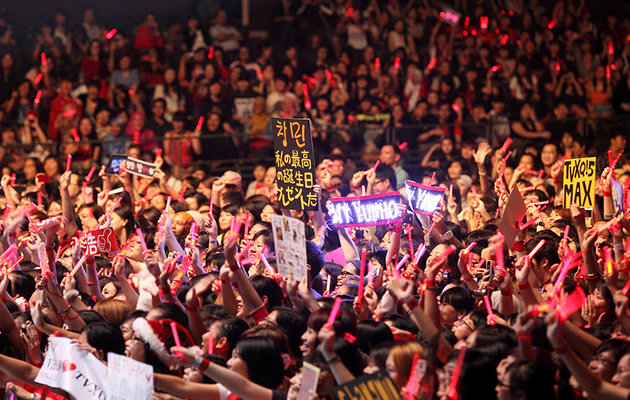
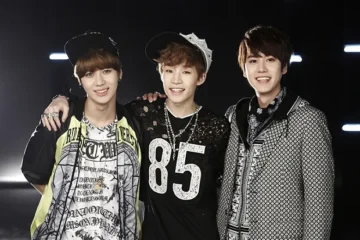
Beyond group loyalty lies the concept of the "bias"—a term used to describe a fan’s favorite individual member within a group. This sub-segmentation creates internal communities, such as "Taemints" for fans of SHINee’s Taemin. While these sub-fandoms generally coexist peacefully to support the group’s overall success, they also introduce a potential for internal friction, particularly regarding "line distribution" (the amount of time a member spends singing in a song) or "screen time" in music videos. This granular level of devotion is a primary driver of the industry’s high engagement rates, as fans feel a personal responsibility to support their specific "bias" through digital streaming, physical album purchases, and social media promotion.
The Evolution of Fan Engagement: A Chronological Overview
The methodology of K-pop fan engagement has shifted significantly over three decades, moving from physical gatherings to sophisticated digital platforms.
The First Generation (1990s – Early 2000s)
In the era of groups like H.O.T. and Sechs Kies, fandom was localized and physical. Fans were identified by the color of their raincoats and balloons during live broadcasts. Official fan clubs were managed through physical mail and landline phone systems. This era established the "fan war" phenomenon, where rivalries between group fandoms could lead to physical confrontations outside concert venues.

The Second Generation (Mid-2000s – 2012)
The rise of the internet birthed the "Fan Cafe" era. Platforms like Daum and Naver became the primary hubs for artist-fan interaction. Agencies began to formalize "Official Fan Clubs," offering paid memberships that granted exclusive access to content and priority ticketing. This period also saw the beginning of international expansion, though foreign fans faced significant barriers, including the requirement of a Korean Social Security Number to join digital cafes.
The Third and Fourth Generations (2013 – Present)
The advent of social media platforms like Twitter, Instagram, and TikTok decentralized fandom, allowing international fans to organize independently of Korean platforms. However, the industry responded by creating proprietary "super-apps." HYBE’s Weverse and SM Entertainment’s Lysn (featuring the "Bubble" chat service) have effectively monetized direct communication, allowing fans to receive messages from artists for a monthly subscription fee.
Data and Economic Impact of Fandom Involvement
The commitment of K-pop fandoms translates into massive economic data points. According to the International Federation of the Phonographic Industry (IFPI), K-pop’s dominance in physical album sales is largely driven by "bulk buying" within fandoms. Fans often purchase multiple copies of the same album to collect randomized "photocards" of their biases or to increase the group’s standing on charts like Hanteo and Circle (formerly Gaon).

In 2023, K-pop exports reached a record high of $290 million, a testament to the purchasing power of global fandoms. Furthermore, the "Official Fan Club" model remains a lucrative revenue stream. For a fee typically ranging from $30 to $50 annually, fans receive a "membership kit" containing exclusive merchandise. Industry analysts estimate that for top-tier groups, these memberships alone generate tens of millions of dollars in annual recurring revenue, providing agencies with a stable capital base regardless of release schedules.
The Divide Between Domestic and International Participation
A significant point of contention within the K-pop ecosystem is the disparity between domestic (Korean) and international fan experiences. For a fan residing in South Korea, "official" status offers tangible benefits, such as the ability to attend music show recordings (like M! Countdown or Inkigayo) and "fansigns," where artists interact one-on-one with supporters.
For international fans, the "official" route is often more symbolic. While global membership versions now exist, the geographical distance makes many perks—such as priority concert seating or physical event attendance—inaccessible. Consequently, international fans have developed their own infrastructure. These "I-fans" (International fans) focus on translation projects, subtitling Korean variety shows for non-speakers, and organizing "cup sleeve" events at local cafes to celebrate artist birthdays. This labor, often performed for free by dedicated volunteers, has been cited by industry experts as the single most important factor in K-pop’s successful localization in Western markets.

Corporate Strategy and Official Responses
South Korean entertainment agencies—collectively known as "labels" or "companies"—view fandom not just as an audience, but as a manageable asset. The relationship is transactional but deeply emotional. In official statements, companies like SM, JYP, YG, and HYBE frequently emphasize "fan-centric" management. For instance, during the 2023 SM Entertainment corporate restructuring, the company introduced "SM 3.0," a strategy specifically designed to increase the frequency of content releases to satisfy fan demand for constant engagement.
However, this corporate involvement is a double-edged sword. When agencies are perceived to be mistreating an artist or failing to promote them adequately, fandoms utilize their organizational skills to protest. It is now common to see "protest trucks" with LED screens parked outside agency headquarters in Seoul, funded by fan donations, demanding better treatment for their idols. This demonstrates a unique dynamic where the consumer feels a sense of stewardship over the "product."
Broader Implications: Activism and Social Impact
The organizational power of K-pop fandoms has recently transcended the music industry, impacting global social and political movements. The most notable example occurred in 2020, when K-pop fans were credited with disrupting a political rally in Tulsa, Oklahoma, by reserving thousands of tickets they did not intend to use. Additionally, fandoms frequently engage in "charity wars," where different group fanbases compete to see who can raise more money for causes like disaster relief, environmental conservation, or education.

The practice of "rice wreaths"—where fans donate tons of rice to charity in an artist’s name during concerts—has become a standard industry tradition. This shift from pure consumerism to social philanthropy suggests that the K-pop fandom structure provides a blueprint for digital-age mobilization.
Conclusion: The Future of the Fandom Ecosystem
As the K-pop industry continues to mature, the definition of what it means to be a "fan" is becoming increasingly fluid. The digital divide is narrowing as agencies implement more globally accessible platforms, yet the core of the experience remains rooted in the psychological bond between the fan and the artist.
The complexity of these communities—with their unique terminologies, internal politics, and economic power—represents a new frontier in media studies. While the internal friction of "fan wars" and the intensity of "sasaeng" (obsessive) behavior remain challenges, the overarching impact of K-pop fandoms is one of unprecedented global connectivity. For the individual, the fandom offers a sense of belonging; for the industry, it offers a resilient and highly predictable market. As K-pop continues to evolve, its fandoms will likely remain the primary architects of its global trajectory, proving that in the modern music industry, the community is just as important as the music itself.
Related News