Navigating the Complex Landscape of K-Pop Fandoms A Comprehensive Guide to Community Dynamics and Global Engagement
Article Editorial Team
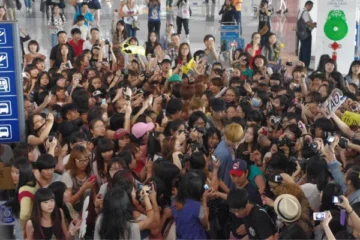
The global ascent of the Korean music industry, commonly known as K-pop, has transformed from a regional cultural export into a multi-billion-dollar global phenomenon. Central to this meteoric rise is a highly organized, digitally savvy, and intensely loyal consumer base known as the "fandom." Unlike traditional music listeners, K-pop fans operate within a sophisticated hierarchical structure that ranges from casual observers to highly dedicated members of official fan clubs. Understanding the internal mechanics, socio-political nuances, and economic impact of these communities is essential for comprehending the modern entertainment landscape.
The Hierarchical Structure of K-pop Fandoms
In the K-pop ecosystem, the term "fandom" is not a monolith but a tiered system of identification. At the broadest level, individuals may identify as "K-pop fans," indicating a general interest in the genre. However, as engagement deepens, fans typically gravitate toward specific groups. This transition marks the entry into a dedicated fandom, such as "ARMY" for BTS, "BLINK" for Blackpink, or "Shawol" for SHINee.
The granularity of these communities extends further into "sub-fandoms." Within a group, a fan may have a "bias"—a preferred individual member—and may join specific circles dedicated exclusively to that artist. For instance, a fan of SHINee (a Shawol) whose primary interest lies with the member Taemin is often referred to within the community as a "Taemint." This intricate division system creates a sense of belonging but also introduces the potential for internal friction, such as "solo stanning" (supporting only one member) versus "OT" (supporting the whole group, where "OT" stands for "One True," followed by the number of members).
Historical Evolution and the Chronology of Fan Engagement
The evolution of K-pop fandoms can be traced through several distinct generations, each characterized by different modes of communication and mobilization:
- The First Generation (1990s – Early 2000s): Fandoms for groups like H.O.T. and SechsKies were characterized by physical gatherings. Fans wore specific colors (e.g., white for H.O.T., yellow for SechsKies) and used colored balloons to identify themselves at music shows. Rivalries were often physical, with fans gathering in person to support their idols.
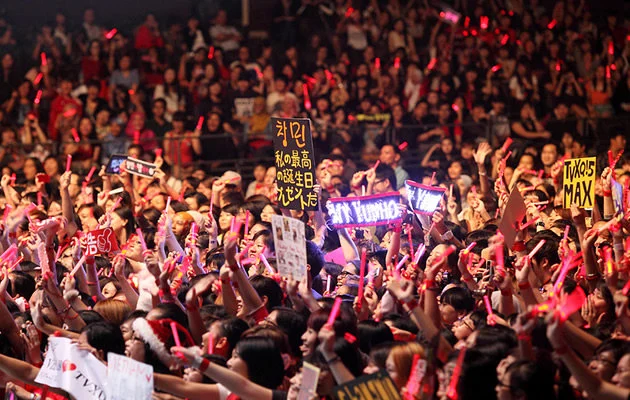
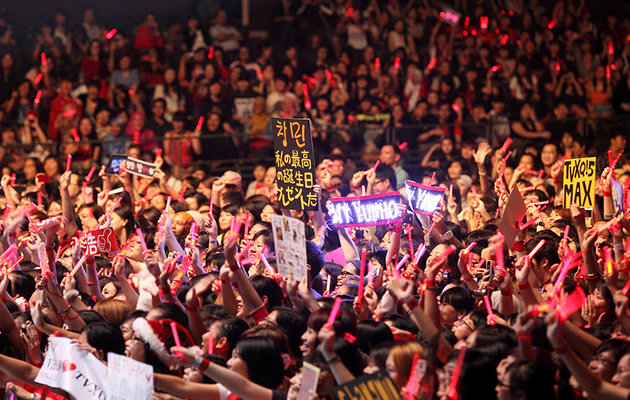
- The Second Generation (Mid-2000s – 2011): This era saw the rise of the "Fan Cafe" on portals like Daum and Naver. The introduction of official lightsticks replaced balloons, providing a more permanent and tech-oriented symbol of loyalty. Groups like TVXQ, Super Junior, and Girls’ Generation began to see the early stages of international expansion via YouTube and early social media.
- The Third Generation (2012 – 2017): Characterized by the explosion of global social media, this era saw the emergence of BTS and EXO. Fandoms became decentralized and global, using Twitter (now X) and Tumblr to organize mass streaming events and international charity projects.
- The Fourth and Fifth Generations (2018 – Present): Current fandoms are defined by integrated platforms. Fans now interact with idols through dedicated apps like Weverse and Bubble, where a direct-to-consumer subscription model allows for private messaging and exclusive content.
Official vs. Unofficial Participation: The Digital Divide
For many years, the pinnacle of fan involvement was joining an "official fan cafe" (fancafe). These are digital communities hosted on Korean portals that require a rigorous verification process, often involving questions about the artists’ history and proof of album purchases. Membership in an official fandom offers tangible benefits, including priority access to concert tickets, entrance to music show recordings (like M! Countdown or Inkigayo), and exclusive merchandise.

However, for international fans, these platforms often present significant barriers. The language requirement—most cafes operate entirely in Korean—and the need for a Korean phone number for identity verification have historically marginalized the global audience. In response, international fans have built a robust "unofficial" infrastructure. These include fan-run news sites, translation accounts on social media, and regional fan clubs that organize local events.
Recent years have seen a shift in corporate strategy. Entertainment conglomerates like HYBE and SM Entertainment have developed proprietary platforms (Weverse and Lysn, respectively) designed to bridge the gap between domestic and international fans. These apps offer multi-language support and paid "Global Memberships," standardizing the fan experience across geographical borders.
Supporting Data and Economic Impact
The economic mobilization of K-pop fandoms is unprecedented in the music industry. According to data from the Korea Customs Service, K-pop physical album exports reached a record high of $290 million in 2023, a significant increase from previous years. This growth is driven largely by "bulk buying"—a practice where fans purchase multiple copies of the same album to support their group’s chart position or to collect randomized "photocards" of their favorite members.

Furthermore, fan-driven philanthropy has become a hallmark of the community. In 2020, BTS fans (ARMY) famously matched the group’s $1 million donation to the Black Lives Matter movement within 24 hours. In South Korea, fans often donate "rice wreaths"—large displays of rice bags—to press conferences and concerts in the name of their favorite artists. These rice bags are subsequently donated to charities, with thousands of tons of rice distributed annually through fan initiatives.
Internal Politics and the "Black Ocean"
Despite the communal benefits, K-pop fandoms are often fraught with internal and external politics. The concept of the "Black Ocean" remains one of the most significant examples of fan-coordinated protest. During a multi-group concert, fans of various groups may agree to turn off their lightsticks during a specific artist’s performance, leaving the performer in a "black ocean" of silence and darkness. While less common today, it highlights the power fans wield over an artist’s public image.
Additionally, "fandom wars" frequently erupt on social media. These conflicts often stem from competition over music show wins, digital streaming numbers, or perceived slights against an artist. For many, the commitment to a group is so intense that any criticism of the artist is viewed as a personal attack, leading to high-intensity online debates.

Corporate Strategy and Official Responses
South Korean entertainment agencies have recognized that fans are no longer just consumers; they are active partners in the "brand building" of an artist. Companies now actively monitor fan sentiment to make decisions regarding group concepts, member activities, and even public apologies.
In statements regarding fan behavior, agencies often walk a fine line. While they encourage the "supportive" aspects of fandom, they have increasingly taken legal action against "Sasaengs"—obsessive fans who invade the privacy of artists through stalking or illegal data acquisition. Labels like BigHit Music (HYBE) and SM Entertainment regularly issue notices regarding the protection of artist rights, signaling a professionalization of the relationship between the corporation and the fan base.
Broader Impact and Global Implications
The influence of K-pop fandoms extends far beyond music. They have become a case study for digital marketing experts and sociologists alike. The "parasocial relationship"—the sense of intimacy felt by a fan toward a celebrity—is meticulously cultivated through "behind-the-scenes" content, live streams, and personal social media posts. This relationship creates a level of brand loyalty that traditional marketing rarely achieves.

Culturally, these fandoms have acted as a bridge for the "Hallyu" (Korean Wave), sparking global interest in the Korean language, cuisine, and fashion. Language learning apps have reported surges in users studying Korean, often citing K-pop as their primary motivation.
In conclusion, being a part of a K-pop fandom is a multi-faceted experience that combines consumerism, community, and digital activism. While the internal politics can be complex and at times exclusionary, the overarching impact is one of global connectivity. Whether through official fan cafes or unofficial social media circles, fans have redefined what it means to be an audience in the 21st century. As the industry continues to evolve with technologies like AI and the metaverse, the role of the fandom is expected to remain the central pillar of K-pop’s enduring global relevance. No longer just a hobby, K-pop fandom has become a significant cultural and economic force, driven by the collective passion of millions who find identity and community in the music and the artists they admire.
Related News