Navigating the Fine Line Between Constructive Criticism and Malicious Hating in the K-pop Community
Article Editorial Team

The rapid globalization of the South Korean music industry, commonly referred to as the Hallyu wave, has fostered an unprecedented level of digital engagement between artists and their audiences. While this connectivity has allowed for the formation of massive, dedicated fanbases, it has also facilitated a rise in toxic online behaviors characterized by malicious commentary and targeted harassment. In the contemporary K-pop ecosystem, the distinction between constructive criticism—intended to foster improvement—and "hating"—aimed at causing personal distress—has become a focal point of discussion among industry analysts, entertainment agencies, and the fans themselves. The evolution of digital discourse has necessitated a deeper understanding of how feedback is delivered and the profound impact it has on the mental health of performers and the stability of the industry at large.
The Landscape of Digital Fandom and the Rise of Malicious Commentary
The infrastructure of modern K-pop fandom is built upon platforms such as X (formerly Twitter), Weverse, Instagram, and Bubble, which offer direct lines of communication between idols and fans. This proximity, while beneficial for marketing and community building, creates a fertile ground for "anti-fans" and "haters" to broadcast vitriol. Industry data suggests that the volume of malicious comments directed at K-pop idols has increased in direct proportion to the industry’s international expansion. Unlike traditional criticism, which evaluates a performance, a song’s production, or a conceptual execution, malicious commentary often targets an individual’s character, physical appearance, or personal life without a factual basis.
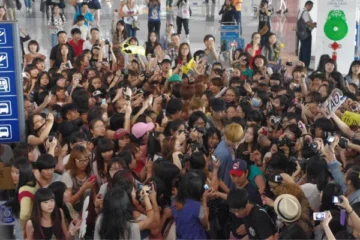
The psychological phenomenon of the "parasocial relationship" plays a significant role in this dynamic. Fans often feel a deep, personal connection to idols, which can lead to extreme emotional reactions when an idol fails to meet perceived standards or when a rival group achieves success. This tribalism frequently manifests as "fan wars," where discourse devolves from musical comparison into personal attacks and coordinated harassment campaigns.
A Chronology of the Conflict: From Fan Wars to Legal Action
The history of hostility within the K-pop community is not a new development, but its severity has escalated with technological advancements. In the late 1990s and early 2000s, during the first generation of K-pop, rivalries between groups like H.O.T. and Sechs Kies occasionally led to physical altercations between fanbases. However, the transition to the digital era in the late 2000s shifted the battlefield to online forums.

A pivotal moment in the history of malicious online behavior occurred in 2010 with the "Tajinyo" incident involving Tablo of the hip-hop group Epik High. A large online community accused the artist of forging his academic credentials from Stanford University. Despite official verification from the university, the harassment persisted for years, damaging his career and personal life. This case served as an early indicator of how misinformation and collective "hating" could have real-world consequences.
The decade that followed saw a series of tragic events that forced the industry and the South Korean government to confront the issue of cyberbullying. The deaths of prominent idols in 2019, which many linked to relentless online harassment and malicious comments, sparked a national conversation. In response, major South Korean web portals like Naver and Daum permanently disabled the comment sections on entertainment news articles to mitigate the spread of hate speech.
The Framework of Constructive Criticism vs. Malicious Intent
To maintain a healthy entertainment ecosystem, it is essential to differentiate between a critic’s right to express dissatisfaction and a hater’s intent to cause harm. Journalistic analysis and fan feedback generally fall into several categories of "constructive" discourse when they adhere to professional and ethical standards.
1. Maintaining Objectivity and Specificity
Constructive criticism is characterized by its focus on the work rather than the individual. When a fan or critic discusses an idol’s performance—such as vocal stability during a live stage or the quality of an acting performance—the feedback remains relevant to the professional output. Malicious commentary, conversely, frequently deviates into irrelevant personal attacks. For instance, criticizing an artist’s vocal technique is a valid form of engagement; however, using a perceived lack of skill as a justification to mock their physical features or family background constitutes harassment.
2. The Utility of Feedback
The primary goal of constructive criticism is improvement. In a professional context, feedback provides the artist and the management company with data on what the audience finds lacking. If a critique identifies specific areas for growth—such as choreography synchronization or song arrangement—it serves as a tool for artistic evolution. Malicious "hating" offers no such utility. It is often repetitive, non-specific, and designed solely to belittle, providing no pathway for the artist to address the concerns raised.

3. Proportionality and Perspective
A significant issue in digital fandom is the "magnification effect," where minor errors or perceived slights are exaggerated into major scandals. Constructive discourse keeps incidents in perspective, acknowledging that performers are human beings prone to error. Malicious actors, however, often engage in "cancel culture," where a single mistake is used to define an artist’s entire career or moral character. This lack of proportionality contributes to a high-stress environment that is unsustainable for young performers.
The Role of Legal and Corporate Intervention
In recent years, K-pop agencies have shifted from a passive stance to an aggressive legal strategy regarding malicious comments. Companies like HYBE, SM Entertainment, YG Entertainment, and JYP Entertainment now regularly issue public statements regarding their "zero-tolerance" policies.
According to transparency reports from these agencies, legal teams are now dedicated to monitoring social media and forums for "defamation of character" and "contempt." Under the South Korean "Act on Promotion of Information and Communications Network Utilization and Information Protection," individuals can be prosecuted for spreading false information or posting malicious comments. In 2023, HYBE reported that it had successfully pursued criminal charges against several individuals who had consistently posted defamatory content about their artists, resulting in fines and, in some cases, prison sentences.
Furthermore, companies have introduced centralized reporting systems, such as SM Entertainment’s "KWANGYA 119" platform, which allows fans to submit evidence of online abuse directly to the company’s legal department. This shift indicates a broader industry realization that protecting the mental health of artists is not just a moral obligation but a business necessity.
Psychological Impact and the "Sulli Law" Discussions
The human cost of malicious commentary is well-documented by mental health professionals in South Korea. The constant exposure to vitriol can lead to severe anxiety, depression, and social withdrawal among idols. The industry has seen an increase in "mental health hiatuses," where idols temporarily step away from the spotlight to recover from the pressures of public scrutiny.

Following the tragedies of 2019, there were significant legislative pushes for what the public termed the "Sulli Law," named after the late singer and actress. The proposed legislation aimed to enforce a "real-name system" for online comments to increase accountability. While the law faced hurdles due to constitutional concerns regarding freedom of speech and privacy, the debate itself prompted a shift in how platforms moderate content. Today, AI-driven moderation tools are increasingly used to filter out keywords associated with hate speech and death threats before they reach the artist’s feed.
Broader Implications for the Global K-pop Community
As K-pop continues to dominate global charts, the responsibility of the fan moves beyond simple consumption. The international nature of the fandom means that "haters" are no longer confined to a single geographic location, making legal enforcement more complex. This has led to a call for better media literacy and digital etiquette within the community.
Analysts suggest that the sustainability of the K-pop model depends on a shift in fan culture. If the environment remains toxic, the industry may struggle to attract and retain talent. Moreover, the aggressive nature of fan wars can alienate potential new listeners, damaging the brand image of K-pop on the world stage.
The consensus among industry experts is that while disagreement and criticism are natural components of any art form, they must be untethered from malice. By adhering to a standard of professional and respectful discourse—staying on topic, offering helpful insights, and maintaining perspective—the community can foster an environment that supports both the artistic growth of the idols and the well-being of the fans.
In conclusion, the line between a critic and a hater is defined by intent and delivery. As the K-pop industry matures, the focus is increasingly on building a digital culture where feedback is used as a bridge for communication rather than a weapon for destruction. The ongoing efforts by agencies, lawmakers, and fans to combat malicious commentary represent a critical step toward a more ethical and sustainable future for global entertainment.
Related News