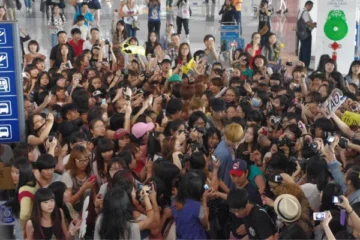
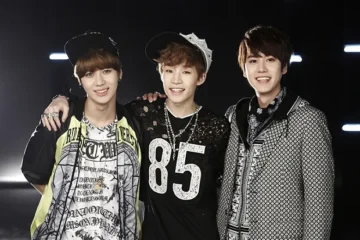
Navigating the Global Phenomenon of K-pop Fandom Culture and the Evolution of International Fan Communities
Article Editorial Team
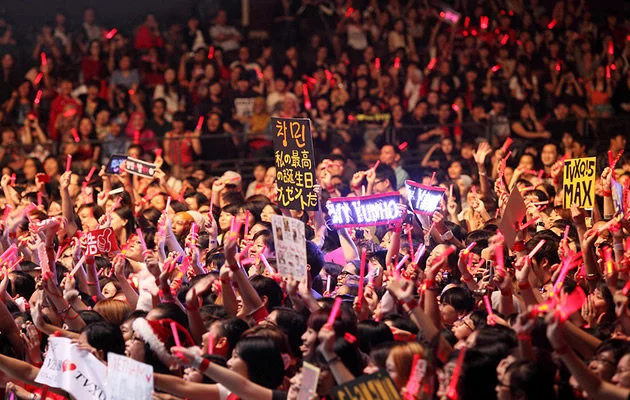
The global ascent of South Korean popular music, commonly known as K-pop, has transitioned from a localized cultural export to a multi-billion-dollar international industry, driven largely by its uniquely structured and highly organized fandoms. Unlike traditional Western music fanbases, K-pop fandom is characterized by an intricate hierarchy of loyalty, ranging from general genre enthusiasts to "solo stans" dedicated to individual group members. This ecosystem functions through a complex web of internal politics, digital platforms, and socio-economic contributions that have redefined the relationship between artists and their audiences. As the industry continues to expand, understanding the mechanics of these fan communities becomes essential for grasping the broader implications of modern digital consumerism and cultural globalization.
The Hierarchical Structure of K-pop Fandoms
In the landscape of international entertainment, the term "fandom" serves as an umbrella for communities dedicated to specific intellectual properties, such as the Harry Potter literary universe or the Doctor Who television franchise. However, K-pop introduces a more granular division system. A consumer typically enters the community as a fan of the genre at large before gravitating toward a specific group. Within that group, the fan often identifies a "bias"—a preferred individual member—and may even join sub-fandoms dedicated exclusively to that member.
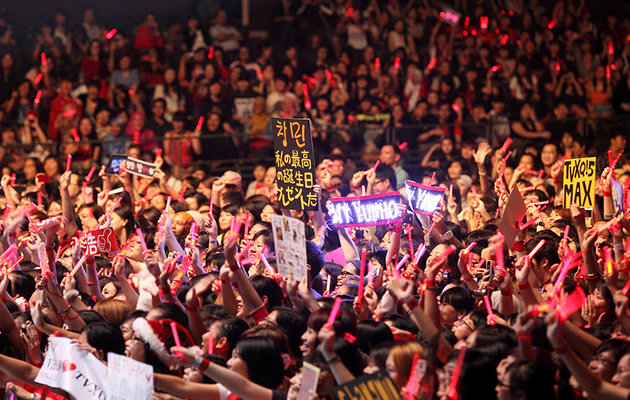
For example, a fan of the group SHINee identifies as a "Shawol" (a portmanteau of SHINee World). If their primary interest lies with the member Taemin, they may further identify as a "Taemint." This layering creates a micro-community within a macro-community, fostering a sense of belonging but also providing fertile ground for internal friction. While Western fandoms occasionally see disputes between different franchises, K-pop fandoms frequently experience "fan wars" or internal disagreements over line distribution, screen time, or promotional focus among group members.
The Evolution of Fan Engagement: From Fan Cafes to Global Platforms
Historically, the epicenter of K-pop fan activity was the "Fan Cafe," hosted on South Korean web portals like Daum or Naver. These cafes are official, company-sanctioned forums where idols interact directly with fans. For years, these platforms acted as a barrier to entry for international enthusiasts due to rigorous "level-up" systems that required Korean language proficiency and, in many cases, a Korean social security number or phone number for verification.
Membership in an official fan cafe offers tangible benefits, including priority access to concert tickets, entrance to music show recordings (such as SBS Inkigayo or Mnet’s M Countdown), and exclusive merchandise. However, the geographic and linguistic limitations of these cafes led to the rise of independent international fan sites. In the early 2010s, sites like Soshified (for Girls’ Generation) or 6Theory served as hubs for news, translations, and community building, operating without formal ties to the South Korean entertainment agencies.

In recent years, the industry has moved toward corporate-controlled global platforms. The launch of apps like Weverse (by HYBE) and Bubble (by SM Entertainment’s DearU) has institutionalized the fan experience. These platforms have effectively digitized the "fan cafe" model, making official memberships accessible to fans in the United States, Europe, and Southeast Asia, thereby streamlining the revenue stream for agencies while centralizing fan activity.
Chronology of Fandom Development and Technological Integration
The trajectory of K-pop fandom can be divided into distinct "generations," each marked by different modes of interaction:
- First Generation (Late 1990s – Early 2000s): Fandoms for groups like H.O.T. and Sechs Kies were primarily domestic. Engagement was physical, involving organized rallies and the use of colored raincoats to signify loyalty.
- Second Generation (Mid-2000s – Early 2010s): This era saw the birth of the "Big Three" agencies (SM, YG, JYP) and the initial expansion into Japan and China. The "Fan Cafe" became the primary digital tool, and the "Lightstick"—a glowing wand unique to each group—became a standardized piece of fan equipment.
- Third Generation (Mid-2010s – 2020): Groups like BTS and EXO utilized social media platforms like Twitter and YouTube to bypass traditional media gatekeepers. This era saw the rise of "social media fandom," where fans took on roles as volunteer PR agents and translators.
- Fourth Generation (2020 – Present): Characterized by "metaverse" concepts and hyper-connectivity, this era focuses on direct-to-consumer communication apps and virtual fan events, blurring the lines between the artist’s private life and public persona.
The Economic and Social Power of Organized Fandom
K-pop fans are noted for their high level of organization, which often mimics the structure of a professional marketing firm. International fan groups frequently coordinate large-scale projects to support their favorite artists, including:

- Philanthropy and Charity: Fans often donate to non-profit organizations in the name of an idol to celebrate a birthday or debut anniversary. This practice evolved from "rice wreaths"—large displays of rice bags sent to concert venues, which are later donated to the poor.
- Billboard and Digital Charting: Fans organize "streaming parties" and bulk-buying campaigns to ensure their favorite artists debut high on global music charts, such as the Billboard Hot 100 or the iTunes Top Songs chart.
- Ad Campaigns: It is common for fanbases to purchase billboard space in Times Square or wrap public buses in advertisements to promote a group’s new album release.
According to data from the International Federation of the Phonographic Industry (IFPI), the South Korean music market has seen consistent double-digit growth, largely attributed to the high per-capita spending of these dedicated fanbases. The "fandom economy" extends beyond music to include fashion, cosmetics, and luxury brands, as idols often serve as global ambassadors for houses like Chanel, Dior, and Gucci.
Challenges and Internal Politics
Despite the communal benefits, the K-pop fandom ecosystem is not without conflict. The intensity of devotion can lead to "Sasaeng" fans—individuals who engage in stalking and invasive behavior that threatens the privacy and safety of the artists. Additionally, the "official" vs. "unofficial" divide continues to persist. Some domestic fans maintain a gatekeeping attitude, suggesting that those who do not purchase official memberships or attend live recordings in Korea are not "true" fans.
Furthermore, "fan wars" remain a prominent feature of the digital landscape. These are often triggered by award show nominations or perceived slights against a group’s reputation. The anonymity of the internet allows these conflicts to escalate, sometimes resulting in mass reporting of social media accounts or coordinated "dislike" campaigns on music videos.

Broader Impact and Implications for the Music Industry
The K-pop fandom model has provided a blueprint for the future of the global music industry. Major Western artists are increasingly adopting K-pop-style engagement strategies, such as collectible physical albums with randomized "photocards," dedicated fan apps, and coordinated social media challenges.
The transition of fans from passive listeners to active participants in an artist’s success has shifted the power dynamics of the industry. Labels now recognize that a highly engaged, organized fandom is more valuable than a casual mass audience. This shift ensures that even if an artist does not receive significant radio airplay, they can still achieve commercial success through direct fan support.
In conclusion, being a part of a K-pop fandom is an multifaceted experience that requires varying degrees of commitment. Whether through contributing fan art, writing fan fiction, translating content, or participating in multi-national charity drives, the modern K-pop fan is a pivotal stakeholder in the artist’s career. As the "Hallyu" wave continues to influence global culture, the sophisticated infrastructure of its fandoms will likely remain the gold standard for audience engagement in the digital age. The ultimate definition of a "fan" in this context is no longer determined by geographic location or linguistic ability, but by the level of emotional and digital investment one is willing to provide.
Related News