The global expansion of South Korean pop music, commonly known as K-pop, has transformed the industry into a multi-billion dollar cultural juggernaut that transcends linguistic and geographical boundaries. However, as the genre integrates more deeply with Western markets, it faces increasing scrutiny regarding its foundational influences and the treatment of its diverse international audience. Central to this discourse is the relationship between K-pop and Black culture—a relationship defined by a complex mix of genuine musical appreciation, systemic cultural appropriation, and a growing demand for racial literacy within the Hallyu wave. Through a comprehensive roundtable discussion involving prominent cultural critics and fans, the nuances of the Black K-pop fan experience have come to the forefront, highlighting the tension between being a consumer of the art and a target of its occasional insensitivities.
The Foundations of the K-pop Sound and Black Influence
To understand the current friction within the fandom, one must first acknowledge the historical architecture of K-pop. Since the early 1990s, with the emergence of Seo Taiji and Boys, the industry has heavily relied on African American musical traditions, including Hip-Hop, R&B, New Jack Swing, and Jazz. This influence is not merely stylistic but structural. Many of the industry’s most successful "idol" groups utilize vocal arrangements, dance choreography, and production techniques pioneered by Black artists.
In the roundtable discussion, participants Camiele, Cjontai, and Taylore emphasized that while the music often serves as a bridge, the execution of these influences frequently falters. Cjontai noted the positive impact of artists like BTS’s RM (formerly Rap Monster), who has used his platform to recommend legendary Black artists such as D’Angelo, Prince, and India Arie. This form of "true appreciation" encourages fans to explore the roots of the music they enjoy. Furthermore, the visible homage paid to Michael Jackson by idols like Taemin and Niel demonstrates a level of respect for the "King of Pop" that resonates globally. However, the line between homage and appropriation remains thin and is frequently crossed.

The Chronology of Cultural Friction
The history of K-pop is marked by a series of incidents that have sparked intense debate among international fans. These events often follow a predictable pattern: an artist or agency utilizes a "Black concept," a segment of the Black fandom raises concerns about stereotypes or appropriation, and a broader, often defensive, fan reaction follows.
The Rise of "Hip-Hop Concepts" (2013–2015)
Between 2013 and 2015, the K-pop industry saw a surge in groups adopting "hip-hop concepts" to appear more "edgy" or "authentic." This era included the debut of groups like BTS and the release of visually aggressive tracks like 4Minute’s "Crazy" and Keith Ape’s "It G Ma." While some artists, such as BTS, eventually demonstrated a deeper commitment to the genre, others were criticized for using Black aesthetics—such as cornrows, grills, and specific slang—as a temporary "costume" to be discarded once the trend shifted.

The "Kanye Defense" and Historical Ignorance
A recurring point of contention involves the use of offensive symbols, such as the Confederate flag, in K-pop fashion. When fans call out these instances, a common defense cited is that Western Black artists, most notably Kanye West, have used the symbol in their own merchandise. The roundtable participants argued that this "Kanye did it too" defense is a logical fallacy. As Taylore pointed out, one Black individual’s choice to subvert a symbol does not grant a pass to a foreign industry to use it as a "cool" fashion statement without understanding its history of white supremacy and oppression.
Blackface and Caricature
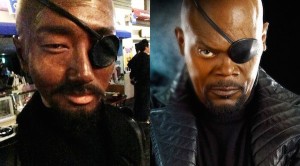
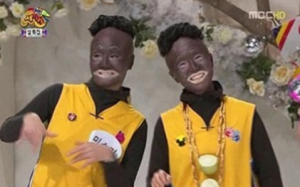
Perhaps the most egregious form of insensitivity discussed was the use of blackface in Korean variety shows and music videos. Incidents involving members of Super Junior and other high-profile idols have left Black fans feeling marginalized. The roundtable participants noted that the "ignorance" excuse—the idea that South Koreans are unaware of the history of minstrelsy—is becoming increasingly untenable in a digital age where these companies are actively seeking Western capital.

Supporting Data: The Economic and Social Reality of the Black Fandom
The importance of the Black K-pop fan cannot be understated when looking at market demographics. While specific census data for K-pop fans is difficult to aggregate, social media metrics and concert attendance in major Western hubs like Atlanta, New York, and London show a significant and highly engaged Black audience. This demographic is often responsible for the viral trends that help K-pop songs chart on the Billboard Hot 100.
Despite their economic contribution, Black fans often report a sense of invisibility within the community. Taylore highlighted how fan-produced content, such as "reader-insert" fanfiction, often assumes a non-Black protagonist, utilizing descriptors like "running hands through silky hair" that do not reflect the physical reality of many Black fans. This erasure extends to the idols’ perceived accessibility; many Black fans feel that while their culture is desired for its "coolness," they themselves are not viewed as a desirable romantic or social demographic by the industry they support.
Official Responses and Industry Accountability
The roundtable also addressed the varying degrees of accountability shown by Korean entertainment agencies. Some companies have begun to take feedback seriously. For example, Seven Seasons, the agency for Block B, has been known to respond to international fans when leader Zico or other members were called out for using racial slurs or cultural mimicry.
However, the consensus among the participants was that these responses are often reactive rather than proactive. The burden of education frequently falls on the fans themselves, who are then often attacked by other segments of the fandom for being "overly sensitive" or "fake outraged." This internal toxicity creates a fractured community where Black fans are told to "let it slide" for the sake of the idol’s reputation, effectively silencing their legitimate grievances.

Analysis of Implications: The Path to Global Maturity
As K-pop continues to eye the "Global Standard," it faces a critical crossroads. The industry can no longer operate in a vacuum of isolationism. The roundtable participants argued that if K-pop wants to be a truly global genre, it must adopt global standards of cultural respect.
From Appropriation to Authentic Engagement
The transition from appropriation to appreciation requires more than just avoiding slurs. It involves a "passing knowledge" of the history of the genres being utilized. Camiele noted that legends in the Korean scene, such as Tiger JK, Tasha (Yoon Mi-rae), and Dynamic Duo, have managed to maintain authenticity because they respect the roots of hip-hop rather than treating it as a gimmick. Newer groups must follow this blueprint of education and sincerity.

The Role of International Fans
The roundtable concluded that the "respect" the Black community seeks is not a demand for special treatment, but a request for acknowledgment of their foundational role in the music’s DNA. The "kaleidoscope of colors" mentioned by Cjontai suggests that the beauty of K-pop lies in its ability to blend cultures, but that blend must be harmonious rather than parasitic.
Broader Impact on the Hallyu Wave
If the K-pop industry fails to address these concerns, it risks alienating a core demographic that provides much of its Western momentum. Conversely, by embracing cultural literacy and engaging in genuine dialogue with Black creators and fans, the industry can solidify its position as a progressive leader in global entertainment. The "Deuces" moment—where Black fans decide the belittlement is no longer worth the music—is a threshold that agencies should be wary of crossing.
In summary, the relationship between Black fans and K-pop is one of profound passion tempered by frequent disappointment. As the roundtable participants Camiele, Cjontai, and Taylore illustrated, the desire for a more inclusive and respectful industry is not an act of "bullying" idols, but an act of love for the genre and a demand for the dignity of the culture that made it possible. The future of K-pop’s international success may very well depend on its ability to listen to these voices and move beyond the costumes of the past.