Navigating the Intersection of Black Identity and Global K-Pop Fandom A Critical Examination of Cultural Appropriation and Representation
Article Editorial Team
The rapid globalization of South Korean popular music, known as K-pop, has fostered an unprecedented level of cultural exchange, creating a diverse international community of fans. However, this expansion has also brought to the forefront significant tensions regarding cultural appropriation, racial stereotyping, and the industry’s deep-seated roots in Black musical traditions. As the genre continues to aggressively pursue Western markets, Black K-pop fans are increasingly vocalizing the complexities of supporting an industry that frequently emulates their culture while occasionally marginalizing their identity. This discourse explores the nuanced relationship between Black fans and the Hallyu wave, examining the thin line between appreciation and appropriation.
The Foundation of K-Pop in Black Musical Traditions
To understand the current friction within the K-pop fandom, it is necessary to acknowledge the genre’s foundational history. Modern K-pop began in 1992 with the debut of Seo Taiji and Boys, whose sound was heavily influenced by American hip-hop and New Jack Swing. Since then, the industry has systematically integrated R&B, soul, jazz, and trap into its core identity.
In recent years, the influence of Black artists has become more visible. High-profile collaborations and public homages have served as a bridge for many fans. For instance, Rap Monster of the group BTS has frequently utilized social media to recommend tracks by artists such as D’Angelo, Prince, and India Arie, signaling a level of genuine musical appreciation. Similarly, the industry-wide reverence for Michael Jackson is evident in the choreography and visual aesthetics of various idols, ranging from SHINee’s Taemin to Teen Top’s Niel.

However, observers note a distinct difference between acknowledging these influences and adopting them as a commercial "concept." While some artists engage with the history of the music, others are criticized for using the aesthetics of Black culture—such as cornrows, grills, and specific vernacular—as a shorthand for being "edgy" or "tough."
The Complexity of Appropriation and the Kanye West Defense
A recurring point of contention within the fandom is the "Kanye West defense," a rhetorical tactic used by some fans to dismiss criticisms of cultural insensitivity. When K-pop idols have been seen wearing the Confederate flag or engaging in other problematic behaviors, defenders often point to Black American artists like Kanye West, who has used such imagery for provocative artistic commentary.

Panelists within the Black K-pop community argue that this defense is fundamentally flawed. They assert that the actions of a single Black individual do not grant a universal license for non-Black artists to utilize symbols of systemic oppression as fashion statements. The Confederate flag, in particular, remains a visceral symbol of slavery and white supremacy in the United States. While South Korean educational curricula may not emphasize the nuances of U.S. history, the lack of local knowledge does not negate the global impact of such imagery.
Cultural ignorance, while common, is increasingly viewed as an insufficient excuse in an era where South Korean entertainment companies are vying for a permanent foothold in the American music industry. Critics argue that if an agency intends to market an artist globally, it bears the corporate responsibility to conduct basic research into the historical significance of the symbols and styles they adopt.

Chronology of Contention: From Blackface to Slurs
The history of K-pop is marked by several high-profile incidents that have alienated Black fans. These events follow a pattern of offense, fan backlash, and varying levels of institutional response:
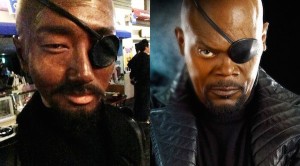
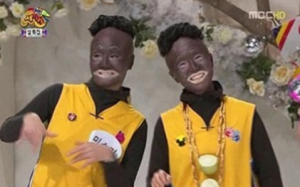
- The Persistence of Blackface: Despite global condemnation, instances of blackface have surfaced periodically in Korean variety shows and music videos. In 2014, Yesung of Super Junior faced criticism for a social media post, while other idols have donned dark makeup for comedic "tributes." The root of this issue is often traced back to the history of minstrelsy, a practice that dehumanized Black people for the entertainment of others.
- Linguistic Appropriation: The use of the "N-word" in song lyrics or during live broadcasts has been a recurring issue. While some artists claim they were unaware of the word’s weight, others, like rapper San E, have been criticized for lyrics that appear to show animosity or a desire to "prove superiority" over the very culture they emulate.
- Concept-Based Appropriation: The 2015 release of 4Minute’s "Crazy" and Keith Ape’s "It G Ma" sparked intense debate over "acting Black" as a gimmick. Critics argued that these concepts treated Black culture as a costume to be discarded once the trend shifted, rather than a legitimate artistic influence.
The Invisible Fan: Representation in Community Content
Beyond the actions of the idols themselves, Black fans often face a sense of invisibility within the broader fandom. In the realm of fan-produced content, such as fanfiction and digital art, the "default" reader or protagonist is rarely portrayed as Black.
This lack of representation extends to the physical and sensory descriptions in fan narratives. For example, tropes involving a male lead "running his hands through the hair" of the protagonist often fail to resonate with Black women, whose hair textures and styles are rarely accounted for in these "lovey-dovey" illusions. This exclusion serves as a constant reminder that, despite their financial and emotional investment in the genre, the industry and its broader community do not always view Black fans as the intended audience or as desirable romantic interests.
Furthermore, the "exoticization" of Black women in Korean media—often limited to comparisons with figures like Beyoncé or Nicki Minaj—flattens the diversity of the Black experience. This dynamic reinforces the feeling that Black sensuality is only valid when it conforms to a specific, hyper-visible mold.

Institutional Responses and the Path to Education
While the relationship between the K-pop industry and its Black fans is often fraught, there are instances of positive engagement. The agency Seven Seasons, which manages the group Block B, has been noted for its willingness to listen to international fans. When fans reached out to the company to explain why certain actions by members were offensive, the agency reportedly responded constructively, seeking to educate the artists rather than simply silencing the critics.
However, these instances remain the exception rather than the rule. Many fans express frustration with the "let it slide" retort common among non-Black fans. This sentiment suggests that the feelings of marginalized groups are secondary to the comfort of the idol. To counter this, Black fans emphasize that their criticism does not stem from a desire to "bully" artists, but from a hope that the idols they admire will show the same respect for Black culture that they do for the music it produces.

Broader Implications for the Global Music Market
As K-pop solidifies its status as a multi-billion dollar global export, the industry faces a crossroads. The reliance on Black musical foundations is undeniable; without R&B and hip-hop, the catalogs of groups like EXO, Big Bang, and Got7 would be fundamentally different. The success of programs like Show Me the Money and Unpretty Rapstar further underscores the dominance of Black-originated genres in the Korean domestic market.
The failure to address cultural insensitivity carries economic risks. As the U.S. market becomes more central to K-pop’s growth strategy, the industry must navigate a landscape where social consciousness and cultural accountability are highly valued. The irony remains that while Asian entertainers are often underrepresented and marginalized in Western media—a fact that many K-pop fans are acutely aware of—the K-pop industry itself has at times replicated similar patterns of marginalization toward Black communities.
Conclusion: Toward a Kaleidoscope of Respect
The engagement of Black fans with K-pop is not a monolith. Many continue to support the genre because of a genuine love for the music, the high production value, and the community they have built with other international fans. For many, the "Hallyu wave" has provided a gateway to learning new languages, trying new foods, and making lifelong friends.
However, for the relationship to remain sustainable, observers argue that the industry must move beyond superficial "concepts" and toward a model of deep cultural respect. This involves acknowledging the roots of the music, investing in cultural competency training for artists and staff, and recognizing the diversity of the global audience. As music continues to serve as a "stained-glass window" of human expression, its beauty is enhanced only when all the colors within it are treated with equal dignity and respect. The call from the Black K-pop community is simple: to be seen, to be heard, and to be respected as integral members of the global Hallyu phenomenon.
Related News